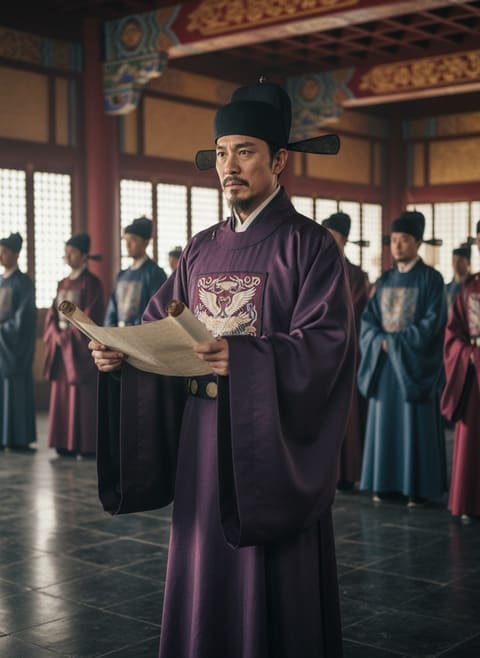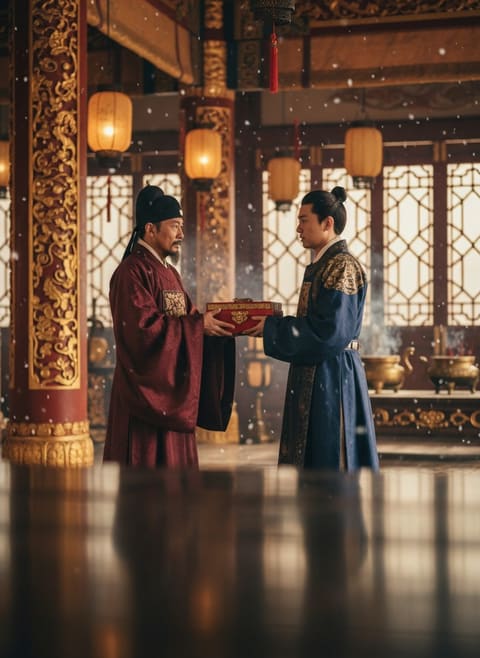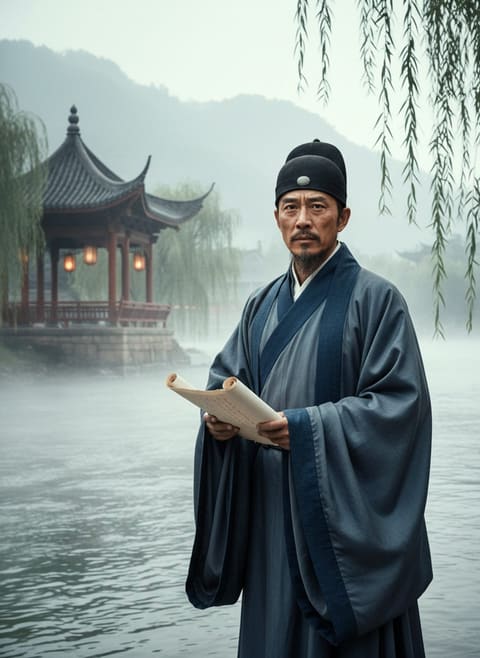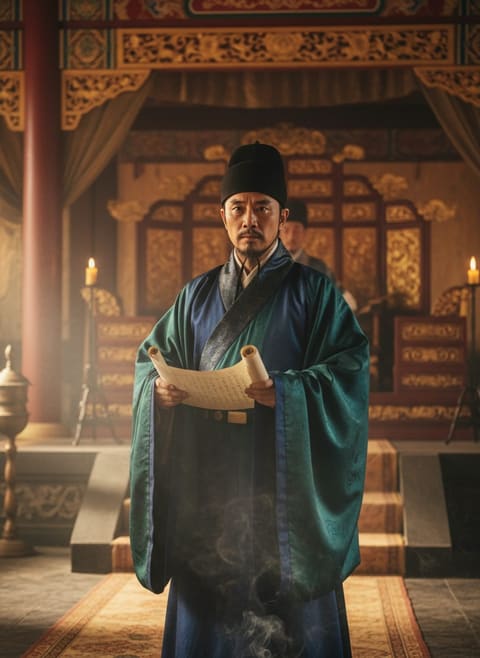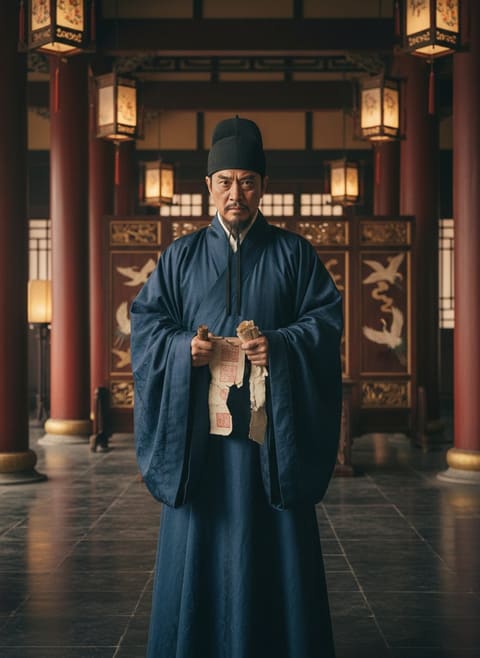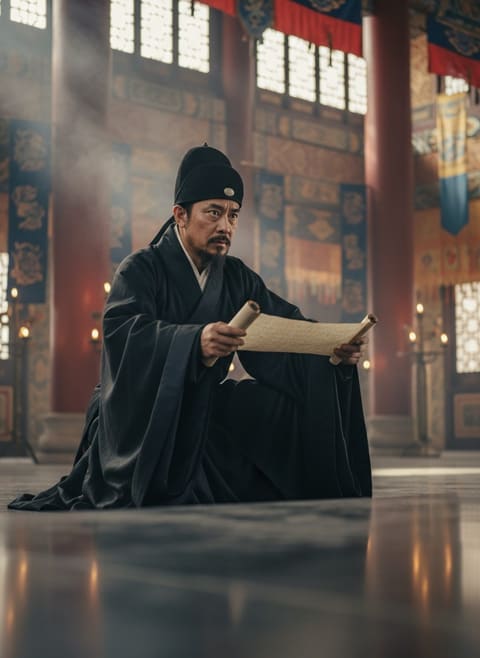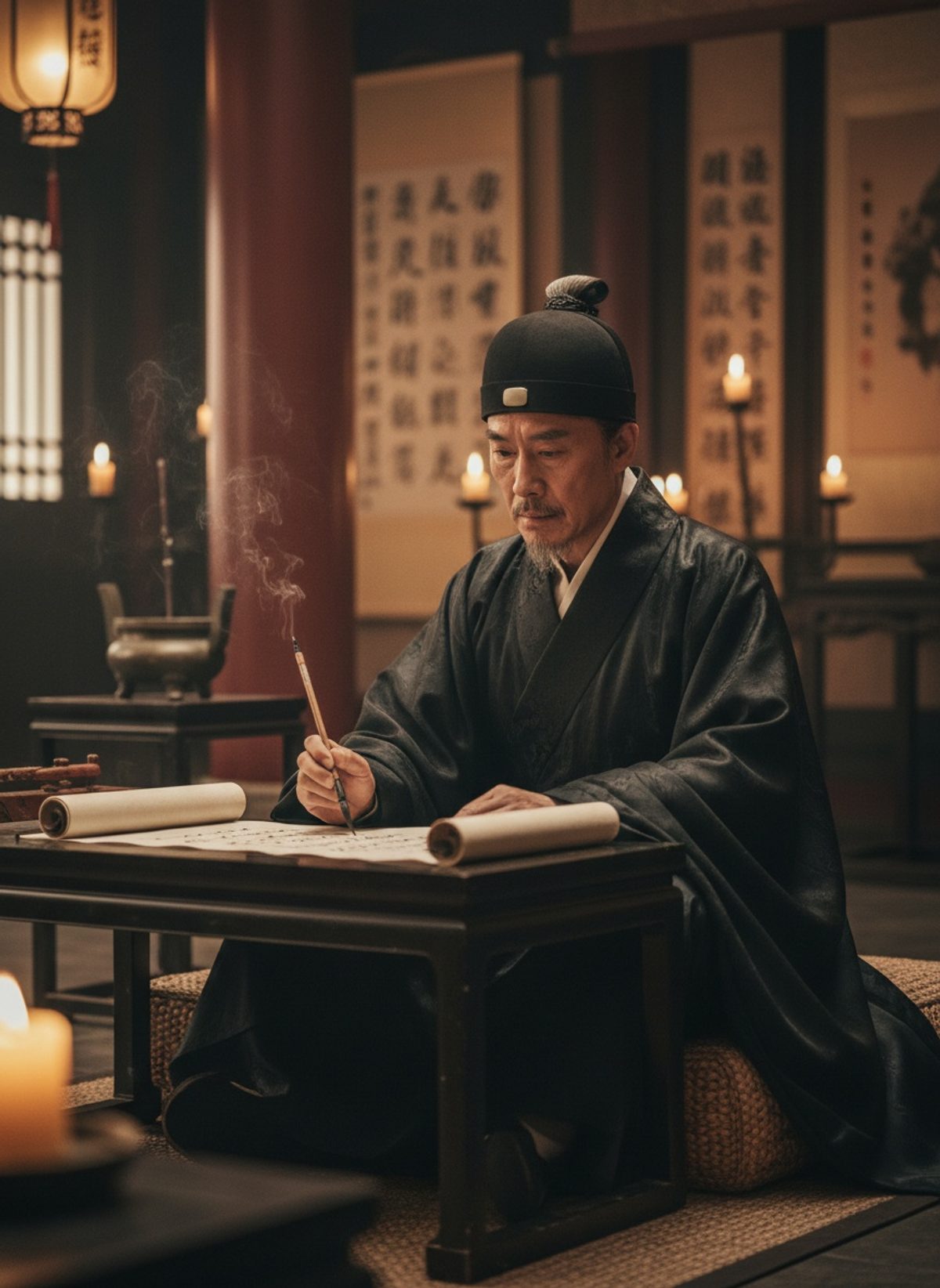
The brush glided over parchment, its bristles leaving inky trails as Li Deyu crossed off yet another name. The room was quiet, the whisperings of court politics replaced by the concentration of one man tasked with a burden heavy enough to crush the feeble and corrupt the ambitious. Emperor Wenzong’s decree echoed in his mind: the purge. Hundreds of names stood between tranquility and chaos. Each stroke of his brush weighed with the fate of families, the destiny of the Tang Dynasty, and the personal maelstrom of duty versus power.
In 836 AD, the Tang Dynasty, a linchpin of historical affluence, found itself embroiled in a quagmire of political maneuverings and paranoia. Emperor Wenzong had grown wary of dissent infiltrating his court. His advisors whispered of threats, both lurking shadows and imagined demons, that could destabilize his reign. Distrust ran rampant, and the specter of rebellion haunted the palace halls. In response, Wenzong, a ruler not unfamiliar with calculated ruthlessness, penned a decree meant to cleanse his court of disloyal elements: a purge of those marked "dangerous" to his empire.
The dangerous, or perhaps, the misfortunate. As the emperor’s trusted minister, Li Deyu held the list upon which futures teetered. Most would have relished the opportunity—some to feed their vengeance, others to cement their legacy in the annals of power. Yet, Li Deyu approached the task with an unsettling calm and unswerving resolve. His first strokes were expectedly deliberate, expunging names of those whose loyalties were painted with varying shades of treachery, known political dissidents and conspirators too bold or too clumsy in their ambitions.
But soon, his hand moved toward a different rhythm, not guided by allegiance or animosity but by innocence. As the afternoon sun filtered through lattice windows, casting geometric patterns upon the marbled floors, Li systematically removed the names of innocents entangled in the web of court politics. This alone was an act bordering on the revolutionary: to choose justice amid chaos, clarity amid conspiracy.
Read next: He Held the Sword. He Knelt for the Prisoner Instead.
With each name struck off that did not belong, the air grew heavy with unspoken questions. His actions, though unnoticed for now, were seeds of defiance against a system that was fractured at its core. But Li Deyu was not merely concerned with immediate salvation. In a gesture that surprised even those few who were privy to his thoughts, he crossed off the names of his allies, those who could potentially fortify his standing, should a storm of accusations choose him as a target. It was a decision that whispered louder than any decree, redefining the tenets of loyalty and service.
News of the purge, though cloaked in official garb, ran through Chang'an like the whisper of a thousand gossamer threads—swift yet tangible. The capital, famed for its sprawling markets and relentless vibrancy, palpitated with an undertone of fear. In the city's tea houses and alleyways, whispers turned to muffled conversations, speculation simmering gently beneath the surface. Men and women of stature looked over their shoulders with newfound wariness. However, when word reached these corners that Li’s actions had spared countless innocents, a cautious hope flickered amidst the tension.
Read next: He Held the Emperor's Letter. He Sent It Back Unsigned.
Li Deyu then did something none had anticipated. He tendered his resignation. His departure from the star-lit corridors of power was silent but deafening in its message. When Emperor Wenzong, bewildered by his minister's decisions, sought an explanation, Li offered only four words, "a minister serves the realm." The phrase, though simple, redefined his legacy and this chapter in history. It echoed the timeless struggle between personal ambition and the greater good, a dichotomy that reverberated through the ages.
This narrative, a singular moment woven into the tapestry of the Tang Dynasty, reflects a poignant truth about power and moral courage. Li Deyu, in his measured defiance and self-imposed exile, sheds light on the often invisible lines wherein history’s true battles are fought. The tale of 'the emperor’s list' becomes an emblem of what it means to hold power and let it slip through one’s fingers for the sake of integrity. In an era where might and control defined legacy, Li’s choice reminds us of the quiet strength in unsung heroism.
Through this story of ink and intention, we are reminded that history’s undercurrents often flow unseen, guided by unseen hands who choose to serve not just their emperor, but their realm and its people. Such narratives compel us to reconsider the history we know and the history we are yet to discover—stories deserving their place, not just in dusty annals, but in the silent reflections of all who dare to lead and those who dare to doubt.