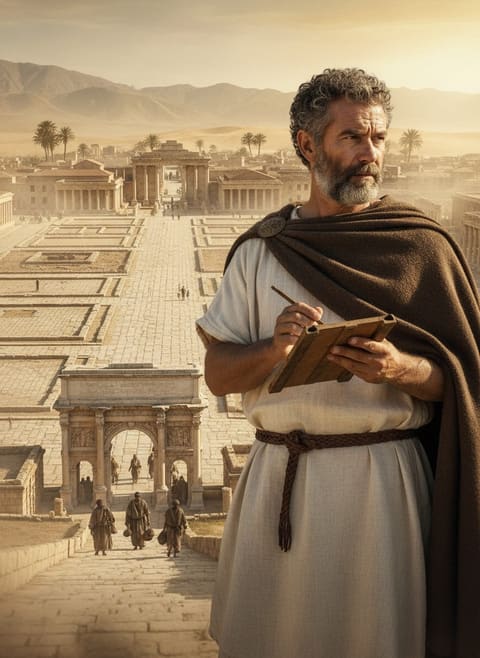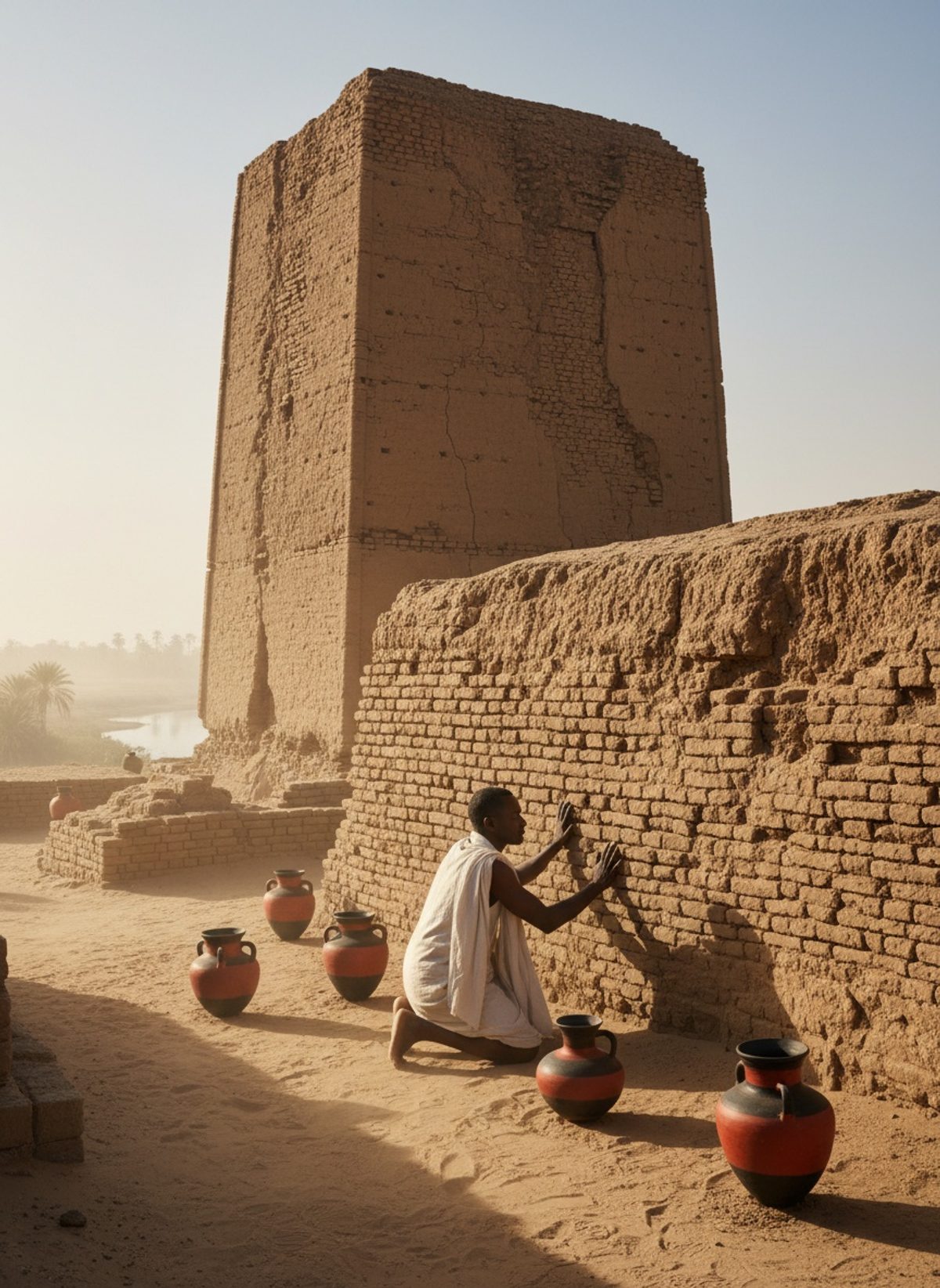
In the early morning light, the Nile River shimmers like a serpentine thread, weaving through the ochre desert that stretches far into the horizon. The air is cool, the sun just beginning to rise over the dusty plains, slowly illuminating the relics of an ancient civilization whose majesty once rivaled that of the Egyptian pharaohs.
This is Kerma, Africa's first urban kingdom, where monumental structures and earthen mounds stand as solemn witnesses to the rise and fall of a forgotten epic.
The Rise of a Forgotten Kingdom
Kerma was no mere footnote in history; it was a thriving urban kingdom that flourished from around 2500 BC to 1500 BC. Nestled on the Upper Nile in present-day Sudan, it was far more than a cluster of mud-brick buildings. It evolved from the pre-Kerma culture, which was first settled by hunter-gatherers as early as 8350 BC. As climatic conditions shifted, the inhabitants adapted, leaving and then re-establishing the settlement over millennia.
By 3000 BC, a vibrant cultural tradition took hold, fueled by the life-giving waters of the Nile and the fertile lands it nourished. Agriculture blossomed even as the river's flow fluctuated over centuries.
Read next: Cahokia: A City of 20,000 Rose in Illinois and Vanished
By 2550 BC, a sophisticated state society emerged, building itself not just on granite and mud-bricks but on a foundation of complex social structures, religious practices, and bustling trade. This kingdom stretched far past Kerma, extending its influence across the ancient world through a precious economy rooted in gold and other resources.
The Monumental Marvels of Kerma
The Western Deffufa, a massive mud-brick temple, is one of the grandest architectural remnants of this civilization. Constructed after 1750 BC, this towering adobe structure rises majestically above the flat landscape, a testament to the intricate planning and spiritual dedication of the Kermans. Religious life centered around this imposing edifice, and its towering walls perhaps echoed with the chants of priests, or the murmur of faithful worshippers, as they gathered to offer succor to their gods.
By 1700 BC, more than 10,000 people called Kerma home, living amidst remarkable structures that featured glazed quartzite and architectural inlays. The city was an artisans' haven, with workshops producing distinctive blue faience—unlike anything seen in Egypt—and other splendid crafts that highlighted the kingdom's wealth and ingenuity.
Beneath the sands lie further secrets. Kerma's cemetery reveals a society marked by stratification. Over 30,000 graves have been discovered, with larger ones often encircled by smaller tombs, suggesting a rigid social hierarchy. Some burial mounds reach an impressive 90 meters in diameter, believed to house the city’s kings. These regal tombs, rich in scarab seals and amulets, highlight the potent cultural exchanges between Kerma and Egypt, indicated by the Egyptian motifs and artifacts found within.
The Cultural Exchange and the Egyptian Shadow
Despite their differences, Kerma and Egypt shared a complex relationship. Evidence from Kerma's cemetery reveals a blend of cultures, with Egyptian ceramics and motifs intermingling with native practices. The influence was not merely one-sided. Kerman artisans developed unique goods, which found a market in Egypt, and vice versa, as the ebb and flow of trade enriched both lands.
Kerma's religious traditions, on the other hand, diverged from Egypt's pantheon. The Kermans appeared to worship through an animistic lens, attributing divine qualities to natural forms and mesas like Jebel Barkal, devoid of the anthropomorphic deities found further north. These beliefs likely underpinned their cultural and spiritual identity, even as external influences loomed large.
Read next: Poverty Point: A City Built in Louisiana 3,700 Years Ago
The Fall and Legacy of Kerma
Yet, the brilliance of Kerma dimmed under the shadow of Egyptian might. By the New Kingdom period, Egypt was extending its reach southward, motivated by the allure of Kerma’s resources. Around 1500 BC, the Egyptians swept through, effectively erasing the independent kingdom and incorporating the lands into their expanding empire.
Subjugated and overshadowed, the city's glory faded, buried beneath the sands of time. The once-great kingdom became part of the history of Egypt's rise, with Kerma’s whispers confined to the annals of time.
But the story of Kerma is more than a tale of conquest. It compels us to reconsider the narratives of ancient glory told through the lens of empire.
It reminds us of the myriad societies that rose, thrived, and exchanged ideas long before they were overshadowed by better-known civilizations. Through scars in the earth and stories in the sand, Kerma endures as an echo from a time when the desert was alive with possibility and greatness knew no bounds or borders.