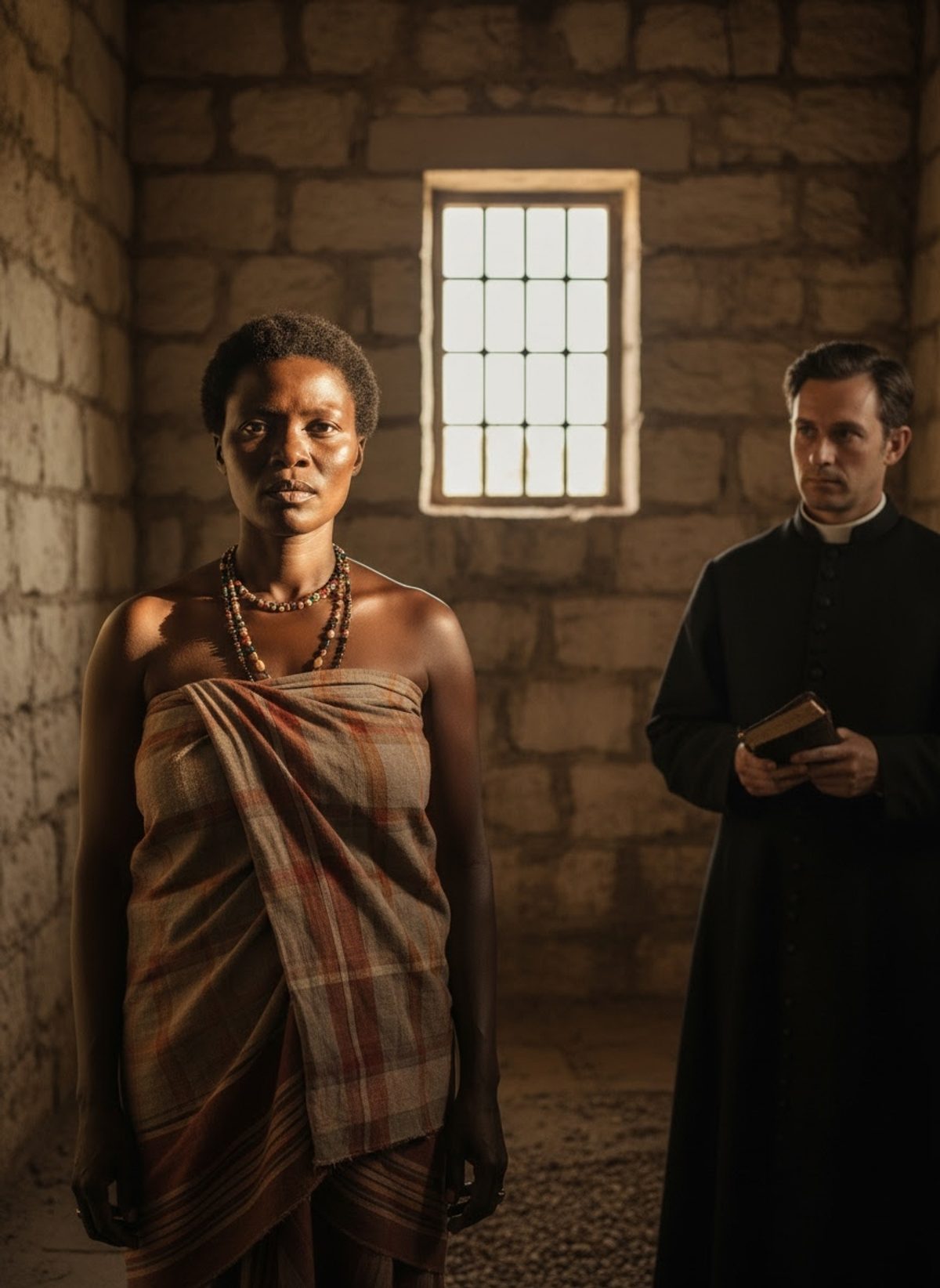
The chill of dawn wrapped around Nehanda Charwe Mkondo as she stood resolute on the scaffold, her feet firm against the wooden planks. Below, a gathering of British soldiers and Shona onlookers watched in tense silence. The British priest, hoping to save her mortal soul in these final moments, offered her baptism. But Nehanda’s response was a calm and unwavering refusal.
Her eyes blazed with a defiance that sent ripples of unease through her captors: a spirit greater than the gallows awaited her. Her final words, a curse upon her executioners, echoed across the land. It was a powerful invocation that would ring through history—and in time, it would fuel the fires of another resistance.
The Rise of a Spirit Medium
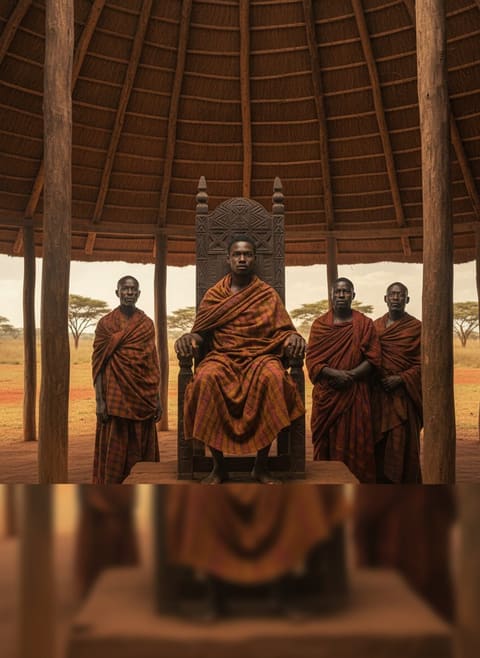
In the heart of late 19th century Southern Africa, the land that would become Zimbabwe bore witness to tremendous upheaval. The arrival of the British South Africa Company had brought with it a wave of colonial ambition, swiftly conquering the land and displacing the indigenous Shona people.
Yet, among the Shona, the spirit mediums—vital conduits between the spiritual and physical realms—offered hope and resilience. Nehanda Charwe Mkondo, possessed by the spirit of Nehanda Nyakasikana, became an emblem of the struggle for independence. Her position was uniquely powerful; she unified the spiritual world’s guidance with the rebellion's tangible frontlines.
Read next: Yaa Asantewaa Led 10,000 Warriors When Her Chiefs Would Not
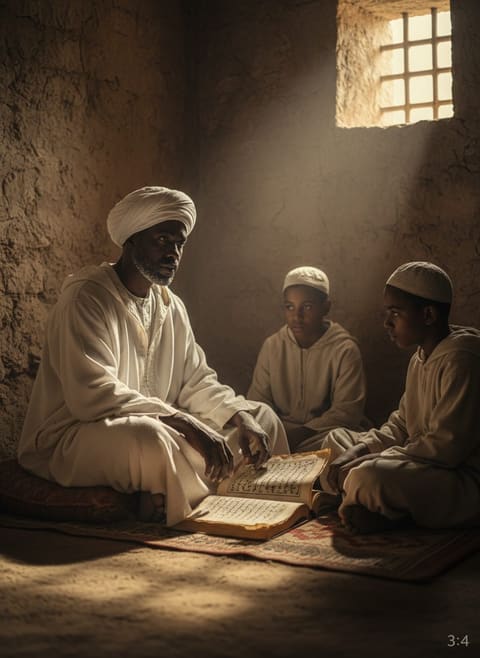
The spiritual and sociopolitical tapestry of the Shona people was rich and deeply woven into their history, extending back to the 11th century when the Karanga people established their kingdoms on the Zimbabwe plateau. Their civilization included the monumental achievements of Great Zimbabwe, a city that resonated with grandeur and the wealth of ancient trade routes. This backdrop of historical resilience fueled the strength and determination of Nehanda as the British colonial machine sought to dismantle Shona autonomy.
The Flames of Rebellion
The spirit medium Nehanda and her followers were fated to contend with the looming specter of colonialism during the First Chimurenga—meaning "uprising"—a time of armed resistance against the encroaching British forces.
Although the full sweep of defeat loomed, Nehanda stood not just as a political leader but as a fusion of the spiritual legitimacy that summoned the warriors to arms. Her powerful orations, delivered in a voice that seemed to channel the ancestors themselves, rallied the Shona populace to resist the British demands, taxes, and seizure of their ancestral lands.
Read next: Sundiata Keita Rose From Paralysis to Found the Mali Empire
Despite its fervor, the rebellion was met with the full force of the British Empire’s military might. The firepower that accompanied colonial expansion was merciless, and the uprising, while fierce, was ultimately subdued by 1898. Yet, Nehanda’s leadership left an indelible impression; the defiance she embodied inspired the people to resist submission, keeping alive the embers of revolt for future generations.
The Legacy of Last Words
Standing on the brink of execution, Nehanda’s refusal to be baptized was far more than a personal choice; it was an affirmation of her spirit and the beliefs of the Shona people over subjugation. For the colonial authorities, it was a stubborn refusal that baffled and disturbed them. Her final pronouncement—cursing the captors who sought to conquer her soul even as they took her life—burned into the cultural consciousness of the Shona and the broader landscape of Southern Africa.
For those who sought liberation later, in what became known as the Second Chimurenga, Nehanda’s last words served as a rally cry. The independence fighters invoked her memory, seeing in her execution not a defeat, but a mandate to reclaim their dignity and land. The song "Nehanda Nyakasikana," named in her honor, was an anthem of resilience and a clarion call to the inevitable revolution that would come.
As the land shook off the colonial shackles, the significance of Nehanda Charwe Mkondo's sacrifice became the cornerstone of Zimbabwe's path to independence. Her presence in the struggle, a dual embodiment of leadership and spiritual prowess, challenged the simple narratives of history taught in classrooms. Instead, her story echoes beyond the immediate victory or defeat, illustrating the profound shifts caused when the human spirit remains unyielded to oppression. Nehanda's legacy endures, a potent reminder of the cost of freedom and the lasting impact of the defiance rooted in history and belief. As Zimbabwe continues to shape its future, it does so with the enduring, unbowed spirit of Nehanda guiding the way.