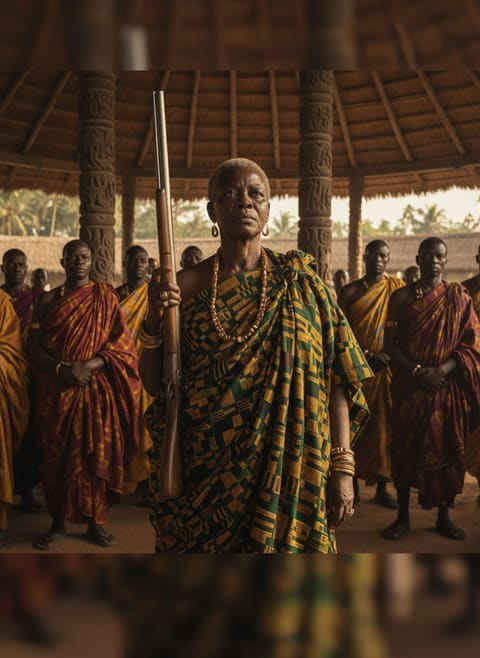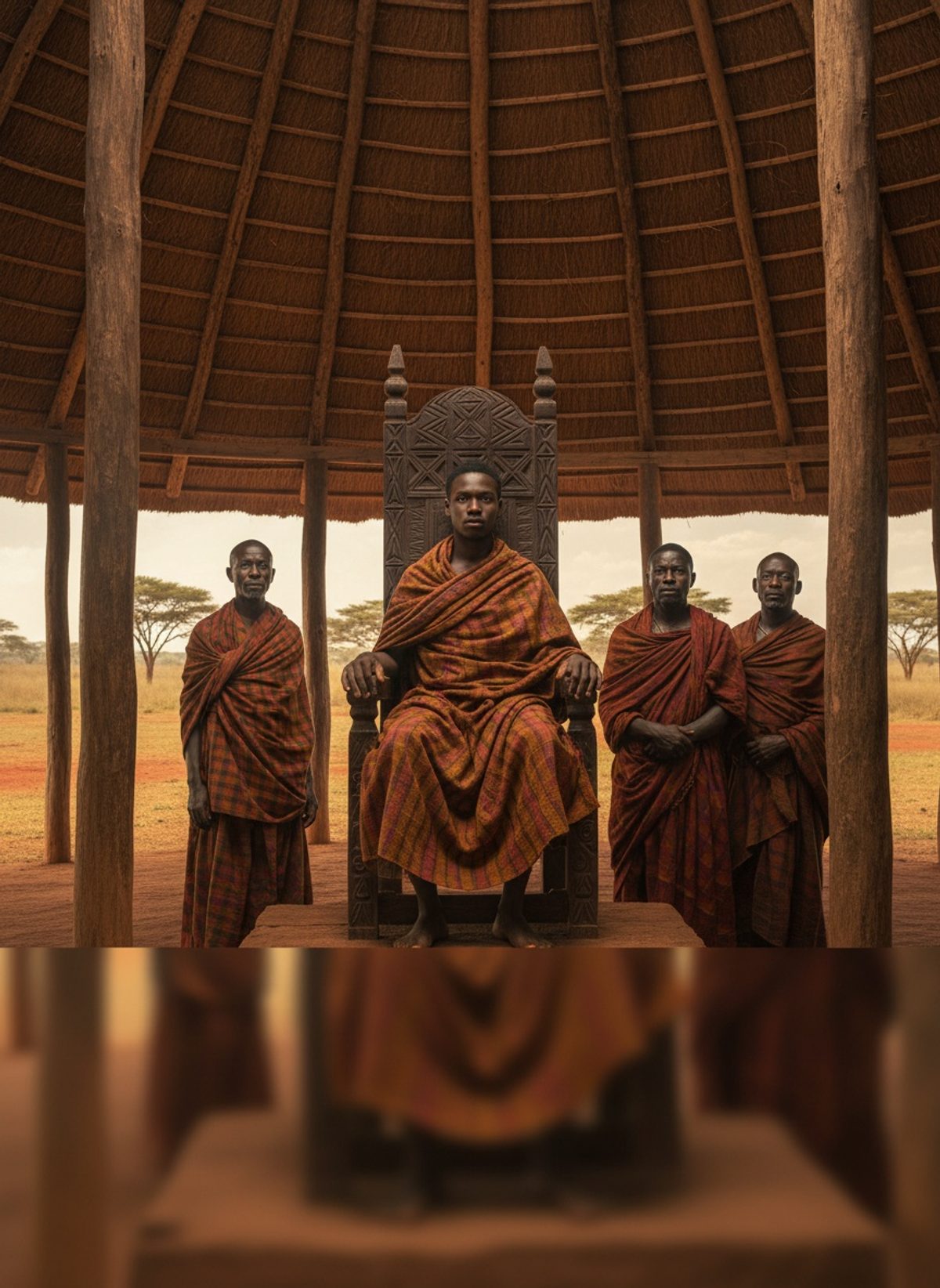
Muteesa I was meant to be a puppet king. He proved every one of his advisors wrong.
The Unexpected Ascension of a Young King
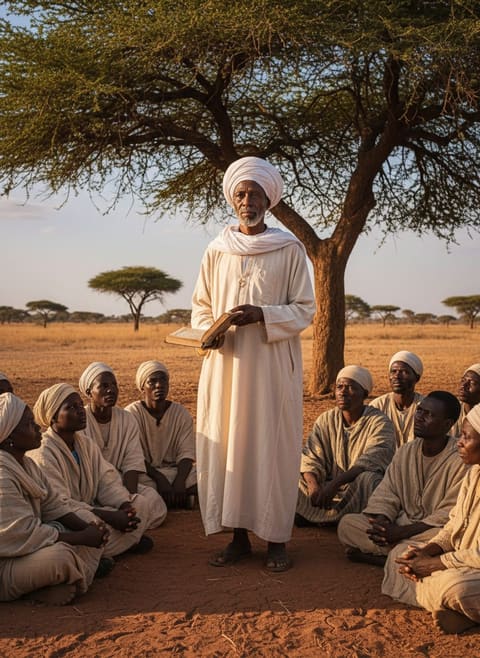
In the Kingdom of Buganda in the 1850s, royal succession was a precarious affair, often clouded by intrigue and the machinations of power-hungry courtiers. When the old king breathed his last in 1856, it seemed like an opportune moment for regents and advisors to step in and manipulate the young heir. Muteesa, barely in his teens, was seen as little more than a placeholder—a child star in a play where adults would pull the strings.
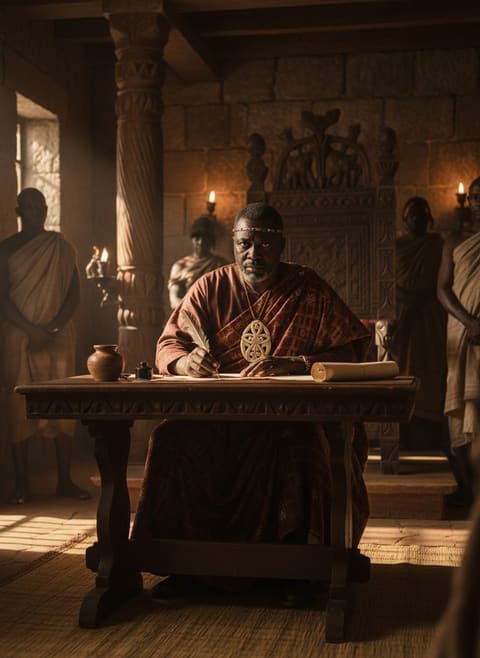
Yet, the court misjudged the boy's determination and intellect. From the outset, Muteesa demonstrated a keen understanding of power dynamics. Instead of merely accepting the regents' guidance, he listened closely, observed astutely, and began to learn the intricacies of leadership. Gradually, Muteesa's influence unfurled amidst the palatial columns, much like the Nile's waters brushing against the shores of his kingdom.
Turning the Tables with Cunning Diplomacy
Muteesa's first great chess move came in the form of unexpected alliances. Unlike his predecessors, who often viewed outsiders with suspicion or outright hostility, Muteesa recognized the potential benefits of strategic diplomacy. He opened his court to emissaries and envoys from across East Africa, exchanging pleasantries with nations far and wide.
Read next: He Stood Before the Sultan. He Refused to Kneel.
This outreach wasn't just for show. Through these interactions, Muteesa acquired invaluable insights into the strengths and weaknesses of potential adversaries. He also gained access to innovations and knowledge, enhancing Buganda's military and economic capabilities. It was an audacious strategy; in places where older statesmen might have baulked, the young king saw advantages to be seized.
The Transformation of Buganda’s Military Might
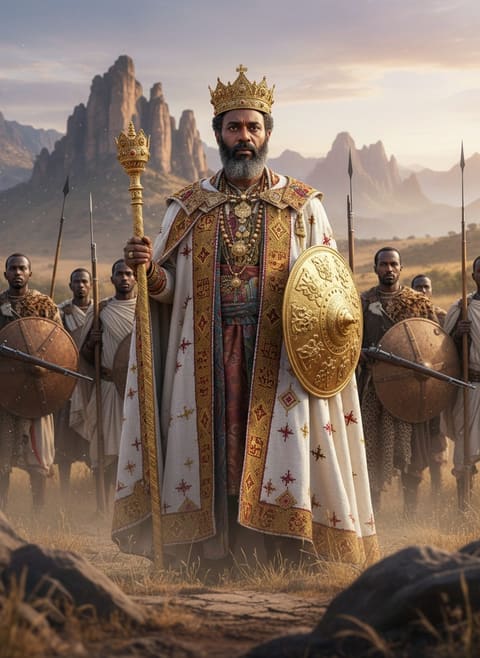
Pivotal to Buganda's burgeoning power was Muteesa's focus on strengthening the kingdom's military forces. However, he knew that numbers alone wouldn't guarantee victory on the battlefield. Muteesa modernized the military by incorporating strategies and tactics gleaned from his extensive interactions with foreign experts. Training regiments grew increasingly sophisticated, and new weaponry was introduced to replace archaic armaments.
The change was palpable. In skirmishes and wars that followed, Buganda emerged not just as a formidable force but as a trendsetter in regional military command. Kingdoms that once looked down upon Buganda as a minor player began to see it as a consequential entity in the East African theatre.
Cultural Renaissance and Internal Reform
Muteesa's reforms weren't limited to bolstering the military and expanding geographical influence. Recognizing that true power also lies in cultural supremacy, he fostered a cultural renaissance that resonated throughout Buganda. The court became a hub for artists, poets, and thinkers, all of whom found protection under Muteesa's rule to express freely and contribute to a burgeoning national identity.
Read next: He Walked Into the Desert With Gold. He Gave It All Away.
Internally, the young king enacted reforms that strengthened the kingdom from within. He streamlined administrative processes, reduced corrupt practices, and emphasized the rule of law. Such measures bred stability—a rarity in a region where chaos and coups were no strangers. Under Muteesa, citizens of Buganda found new reasons to offer their loyalty, seeing a brighter future crafted by a leader who seemed to intuitively understand governance's every nuance.
Why Muteesa’s Rule Matters Today
The dramatic and transformative reign of Muteesa I in the Kingdom of Buganda serves as a potent reminder of how perceived weaknesses can become powerful strengths through intelligent leadership. Faced with an uncertain future, this young king bypassed expectations, altered regional politics, and changed the trajectory of not only Buganda but of East Africa.
Muteesa's story echoes throughout the ages: A bold vision and astute diplomacy can overcome insurmountable odds. His kingdom, now a memory engraved in the historical tapestries of Africa, becomes a beacon for those who dare to strive for greatness against all expectations. Today, as we reflect on the narrative of African kingdoms, Muteesa’s legacy offers insight into how leadership, innovation, and resilience create legacies that withstand the test of time.