The story of West Africa's resistance to colonial rule in 1900 is not widely known. Yaa Asantewaa made sure it wouldn't be forgotten.
The Gathering Storm in the Ashanti Empire
At the dawn of the 20th century, the Ashanti Empire was a proud and powerful African kingdom. Its heart was the Golden Stool, a sacred symbol embodying the spirit and unity of the Ashanti people. But in 1900, British colonial ambitions cast a troubling shadow over this vibrant land.
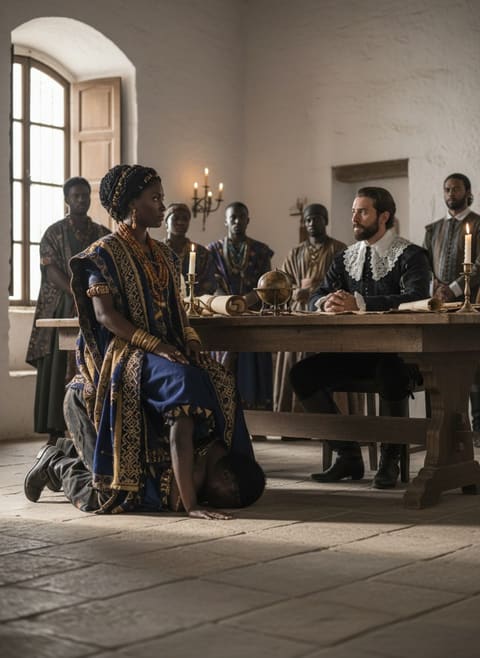
With their power bolstered by decades of expansion, the British set their sights not just on territorial acquisition, but on cultural supremacy. They demanded the Golden Stool, an act so sacrilegious to the Ashanti that it seemed the very essence of their culture was under siege.
Under the rule of Sir Frederick Hodgson, the British not only exiled the Ashanti king Prempeh I but also sought to strip the Ashanti of their spiritual core. At this critical juncture, the chiefs of the Ashanti were paralyzed with indecision during a secret meeting in Kumasi.
Read next: Yusuf ibn Tashfin Crossed the Sahara to Save Muslim Spain
They knew the consequences of open defiance could be severe, yet the thought of yielding to British demands was equally repugnant. It was a moment of great uncertainty, one that demanded courage and leadership.
A Warrior Queen Rises
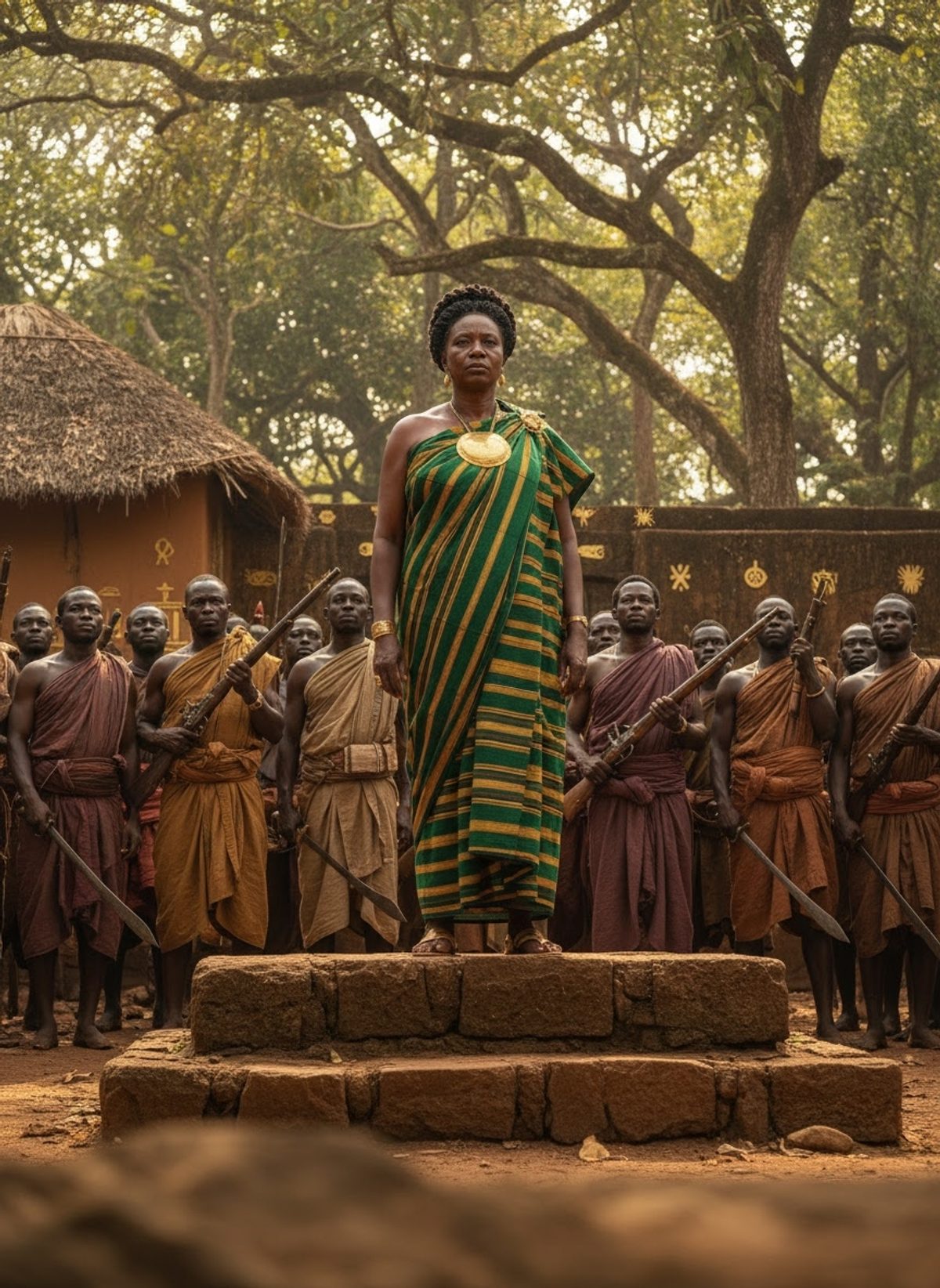
Out of the tense atmosphere emerged Yaa Asantewaa, Queen Mother of the Ejisu. Known for her wisdom and unyielding spirit, Asantewaa stepped forward with an impassioned challenge to the chiefs' wavering spirits. She questioned their bravery, invoking the image of exchanging their loincloths for her undergarments—a sharp rebuke to shake them from their hesitation. Her words were more than a call to arms; they were a call to dignity and resistance.
Armed with a rifle, Yaa Asantewaa ignited a spark that would light the fires of rebellion. Her decisiveness transformed her into a symbol of hope and defiance. The chiefs, shamed into action, rallied behind her leadership.
She was named war leader of the Asante fighting forces, a historic first in Ashanti history. This move was monumental, not only because she was a woman leading an army of men, but because she embodied the resilience of a people determined to reclaim their sovereignty.
The Siege of Kumasi
In March 1900, the Asante forces launched a siege on the British fort in Kumasi. This gritty, tactical standoff lasted for several months. Yaa Asantewaa's army, numbering around 10,000, demonstrated exceptional tenacity and strategic acumen. The British, taken aback by the intensity of the resistance, found themselves trapped within their own fortress. For the Ashanti, this confrontation was more than a military effort; it was a battle to protect a way of life.
Day by day, the Asante forces fought to repel British troops seeking reinforcement and supply. They used guerilla tactics, showcasing their deep understanding of the local terrain. Despite being outgunned and facing advanced weaponry, the resolve of Yaa Asantewaa's warriors did not waver. Their actions in the conflict reverberated throughout West Africa, inspiring other regions subjugated under colonial rule. However, the encirclement of the British lasted until the rainy season made conditions unbearable, leading to strategic regrouping by both sides.
The Aftermath of Courage
Eventually, Yaa Asantewaa and her army were overwhelmed by the superior resources and reinforcements of the British forces. In September 1900, the British managed to breach Ashanti defenses. By 1901, the Ashanti Empire had officially become part of the British Gold Coast colony. Yaa Asantewaa was captured and, like her king before her, exiled to the Seychelles, where she remained until her death in 1921.
Read next: Amda Seyon I Marched Into Muslim Lands and Won
Despite their eventual defeat, the significance of the Yaa Asantewaa War, also known as the War of the Golden Stool, was profound. It was a testament to the determination of the Ashanti people and their refusal to submit quietly to colonial authority. The legacy of that struggle reverberates in modern-day Ghana, where Yaa Asantewaa is celebrated as a national heroine. Her story endures as a symbol of resistance and empowerment, especially for women worldwide.
The Threads of Heritage
Yaa Asantewaa's resolve serves as a striking example of the enduring human spirit against overwhelming odds. In a world shaped by the struggles of its past, her courage speaks to the power latent in defiance against injustice. Her call for unity and strength resonated beyond her time and borders, reminding all that cultural heritage and identity are worth defending at all costs.
The story is not merely a tale of resistance. It challenges us to consider our own responsibilities when faced with the threat of erasure—whether it be of culture, identity, or history.
Yaa Asantewaa's legacy beckons us to reflect on what it means to stand up, not just for ourselves, but for the generations that follow. It is in remembering stories like hers that we remember to cherish and defend the rich tapestries of human heritage against forces that seek to unravel them.