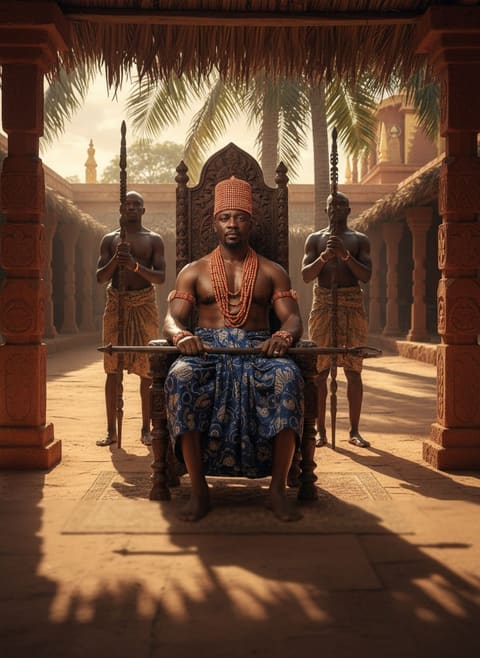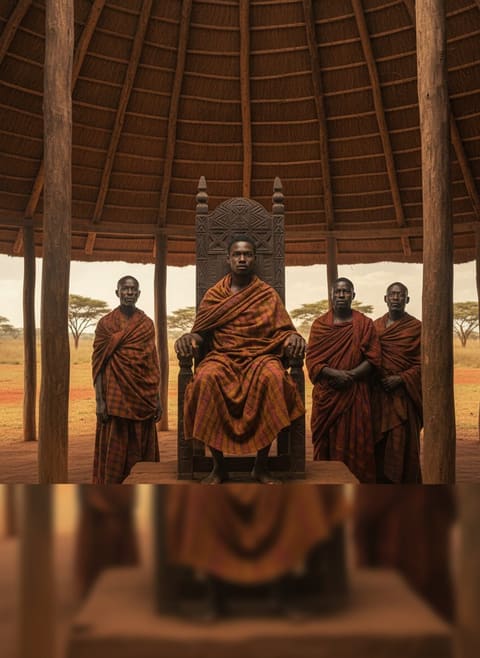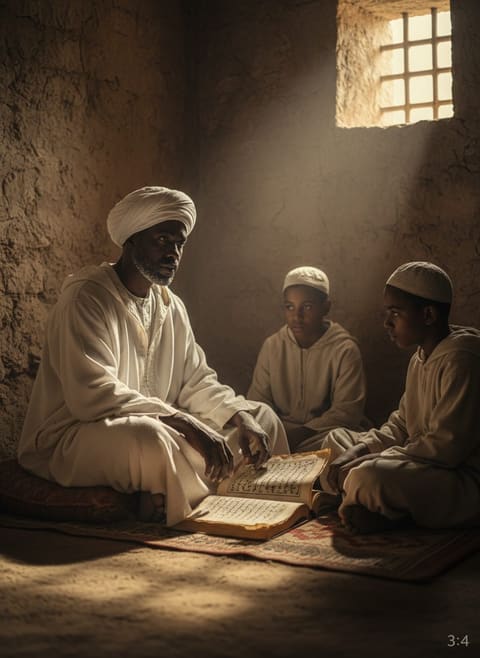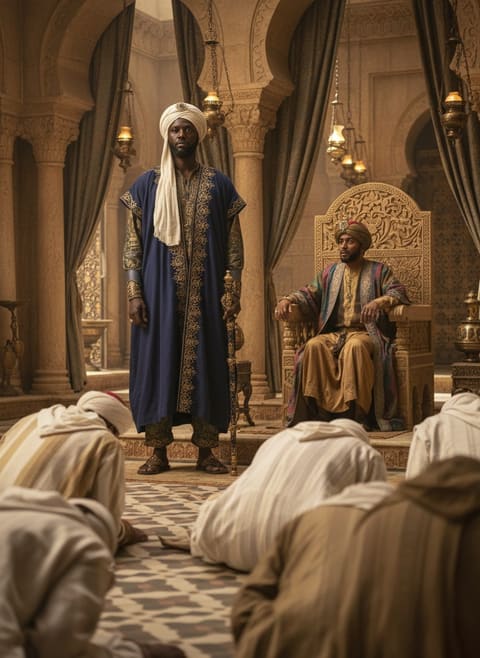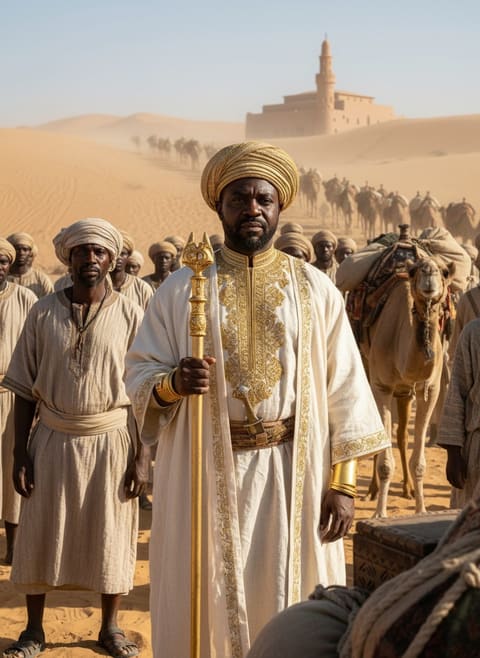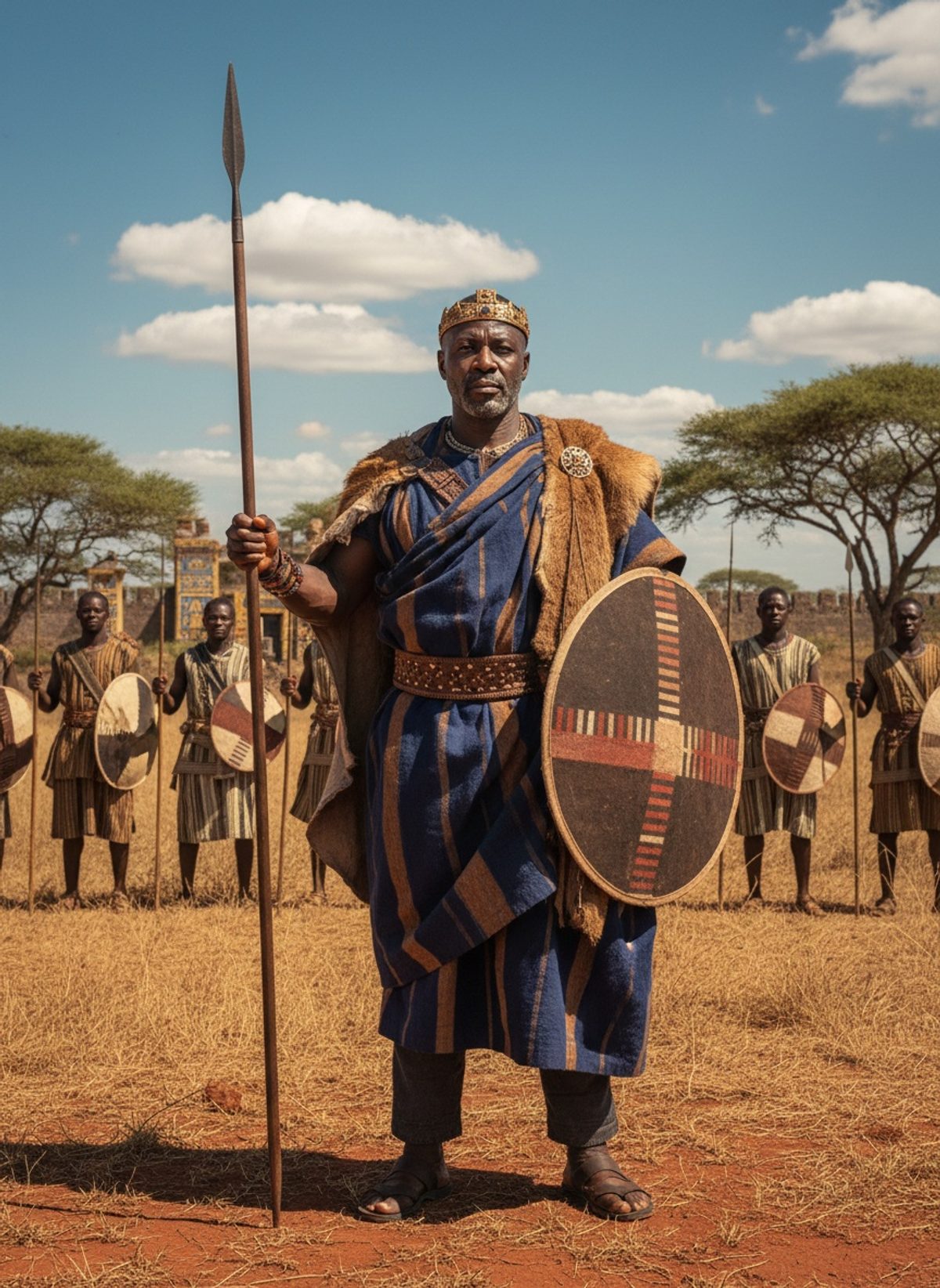
Sundiata Keita was destined to be forgotten by history. Yet, he carved his name into African legend and reshaped the continent through sheer will.
A Miracle in Mandinka
Sundiata Keita's journey began in the lush lands of the Mandinka people in what is now Mali. As a child, he was known for his physical paralysis, earning ridicule from his peers and the scorn of his father's other wives. His mother, Sogolon Condé, faced mockery too—a cruel backdrop for a family holding onto threads of hope. Inside this tapestry of doubt, young Sundiata harbored a fiery determination that would defy fate itself.
In a moment that defied expectations, Sundiata rose from his disability. The event, laden with symbolic weight, shattered preconceived notions not only among his peers but within the young prince himself. With legs newly strengthened, Sundiata began to embody the leader he was meant to become. A prophecy, whispered among the wisemen, spoke of his future greatness—a whisper that the winds of time would soon amplify into a roar.
Exile and Ascent
After his father's death, Sundiata experienced the harsh reality of palace politics. His half-brother Dankaran Touman, driven by jealousy and the influence of his mother Sassouma Bereté, seized power. As animosity within the royal household grew, Sundiata and his family were forced into exile for their own safety. They traversed the lands of the Ghana Empire, finally finding refuge in the kingdom of Mema.
Read next: Amda Seyon I Marched Into Muslim Lands and Won
In Mema, Sundiata's leadership qualities could not go unnoticed. Admired by the king, Sundiata ascended to a senior role within the kingdom, honing his skills in governance and diplomacy. He gained not just an understanding of power but also the support of new allies. It was here he learned that true leadership transcends personal ambition, embracing duty and destiny intertwined.
The Call to Arms
While Sundiata thrived in exile, his homeland languished under the oppressive might of the Sosso Empire, led by the fearsome King Soumaoro Kanté. When news of Soumaoro's tyranny reached Sundiata, a summons from the Mandinka people ignited his latent resolve. His return was imperative, not just by prophecy but by the cries of his oppressed kin.
The king of Mema, recognizing Sundiata's destiny, provided him with an army. By this time, Sundiata had gathered a brotherhood of warlords, including Siara Kuman Konaté and Tiramakhan Traore. These men were not just allies but bonded by a shared vision and an iron vow to liberate their people. On the plains of Siby, they forged a pact as ironclad as the swords they would soon wield against Sosso.
Kirina: Where Empires Clashed
In 1235 AD, the plains of Kirina would bear witness to a battle altering the course of West African history. Sundiata’s forces, driven by a blend of desperation and hope, confronted the mighty Sosso army. King Soumaoro, steeped in mystical repute and feared across lands, faced an adversary not easily cowed. The air throbbed with tension as spears glinted under the sun, and war cries mingled with the winds.
Read next: Nzinga Mbande Sat on Her Servant to Negotiate as an Equal
Legend says that Sundiata held a sacred arrow, the key to Soumaoro's defeat. Whether myth or truth, Sundiata's strategy and leadership shattered the Sosso forces. His victory was not just military but transformational. The collapse of the Sosso Empire marked the birth of the Mali Empire, a new beacon of African culture, trade, and power.
The Mali Empire: A Legacy Forged in Adversity
With the Sosso vanquished, Sundiata unified twelve kingdoms, laying the foundation for the Mali Empire. His leadership ushered in an era where trade flourished, and cities like Timbuktu became centers of learning and culture. The Empire reached its zenith under Sundiata's great-nephew, Mansa Musa, whose wealth and grandeur would become the stuff of legend.
The Manden Charter, issued under Sundiata’s rule, stands today as a testament to his vision, emphasizing human rights long before they became a global discourse. Long after his reign, griots recounted Sundiata's story, ensuring that his legacy traveled through time, transcending the borders of history and folklore.
Sundiata Keita's tale is more than the birth of an empire. It's a story of overcoming insurmountable odds and redefining destiny, illustrating that leadership's roots lie in resilience and vision. For a world that often overlooks the riches of African history, Sundiata’s legacy offers not only inspiration but a powerful reminder of the narratives that deserve to be rediscovered and reappreciated.