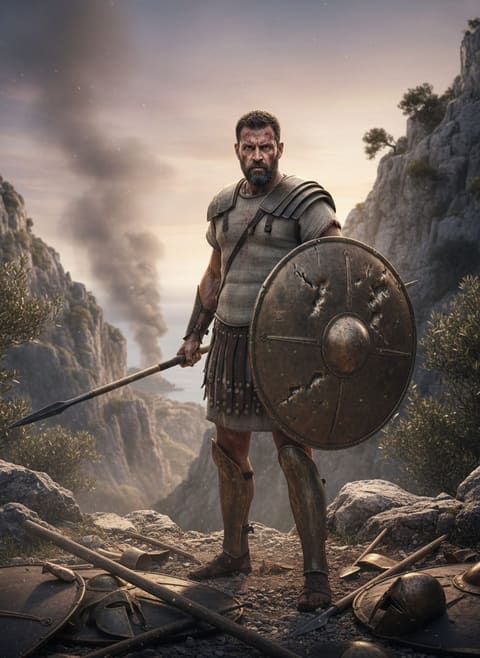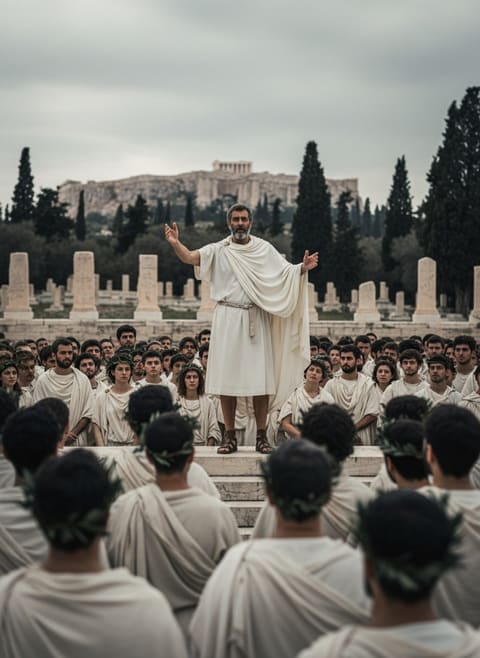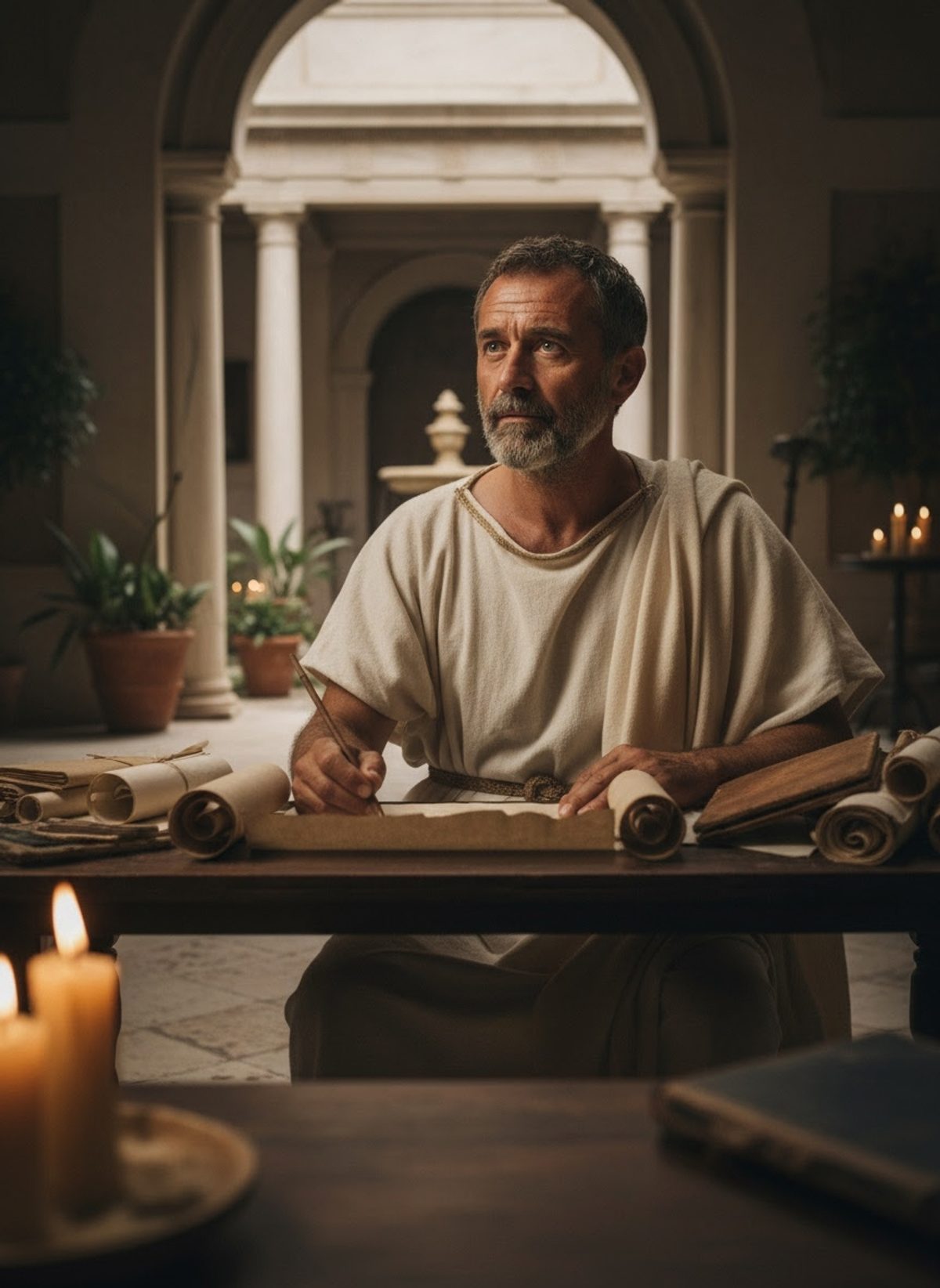
Polybius spent seventeen years as a Roman hostage. Yet, those years may have been the most formative of his life.
From Princely Life to Captive Observer
Born around 200 BC in Megalopolis, Arcadia, Polybius grew up steeped in the political machinations of his time. His father, Lycortas, was a guiding force in the Achaean League, a federation of Greek city-states, and an advocate for neutrality as Rome and Macedon clashed.
Polybius was no stranger to diplomacy and military affairs. He was elected hipparchus around 170 BC, aiming to support Rome in battle. However, his career was abruptly halted by Roman suspicion following Macedon's defeat. In 167 BC, he found himself among 1,000 Achaeans taken to Italy, held hostage as Rome asserted its dominance.
Unlike the austere image conjured by the word "hostage," Polybius lived under the roof of Lucius Aemilius Paullus Macedonicus, Rome's victor in the Third Macedonian War. Entrusted with educating his sons, including the renowned Scipio Aemilianus, Polybius had unparalleled access to Rome's upper echelons. This unusual trust allowed him to roam freely in a world of power and influence.
Read next: Themistocles Tricked Athens Into Building 200 Warships in 483 BCE
His captivity afforded him a ringside seat to Rome's grandeur and complexity. Polybius did more than observe; he engaged actively, gathering insights and questioning the intricacies of Roman governance and military might. In a city pulsating with ambition, he crafted the acclaimed work, "Histories," chronicling Rome's rise from a small city-state to a Mediterranean power (264–146 BC). Through the chaos of Roman conquests, he saw patterns and principles that became a masterclass in statecraft.
Chronicler of Empires
Polybius' magnum opus wasn't merely a record of wars and politics; it was a dissection of governance and resilience. His work stands as the sole surviving comprehensive historical account from the Hellenistic era, and the scope extends far beyond Rome.
It spans the ancient world's breadth, from the shores of Iberia to the deserts of Africa, detailing the Punic and Macedonian Wars with compelling clarity. His accounts offered double lessons: detailing the strategic genius of Roman leaders like Scipio and analyzing errors leading to ruin, which he documented with a merciless eye.
One of the most profound contributions of Polybius was his insight into the Roman constitution. He identified the system of checks and balances within Rome's republic, describing how power was shared and limited among the consuls, the Senate, and the populace. This analysis foreshadowed political frameworks debated by thinkers like Montesquieu and Locke centuries later and was visible in the foundations of modern democratic systems.
His influence extended beyond political theory. Polybius understood the subtle art of diplomacy and war. His observations of military logistics and the alignment of political strategy with military tactics were influential during his lifetime and continued to resonate deeply after. By embedding himself in Roman life, observing alliances, betrayals, and hard-won victories, he forged a narrative that instructed countless future leaders.
Read next: Xenophon Led 10,000 Greek Mercenaries Home Through Enemy Persia
The Historical Echo
Upon his release, Polybius did not retreat into obscurity but remained a trusted advisor. His relationship with Scipio Aemilianus endured beyond wartime exploits; together, they charted a vision for Rome that sought wisdom over brute force. When Scipio laid Rome's enmity to rest by burning Carthage in 146 BC, Polybius was by his side, witnessing the solemn conclusion of Rome's rivalry with Carthage firsthand.
Polybius’ writings provided a crucial lens through which subsequent generations viewed Roman history. His work transcends mere chronology, capturing the essence of human ambition and folly. For the erudite and powerful, it was indispensable. His analysis served as a cornerstone for understanding statecraft, instrumental in shaping political strategies across history.
The lessons that Polybius crafted in a foreign land, far from the comforts of home, carry a timeless resonance. His narrative offers not only a portrait of Rome's might but also an exploration of how empires persist, adapt, or falter.
Long after his time, Polybius' careful observations and contemplations remain a testament to the power of knowledge obtained against the odds. In a world reshaped by empires old and new, his insights continue to challenge and inspire those who endeavor to steer the course of nations.