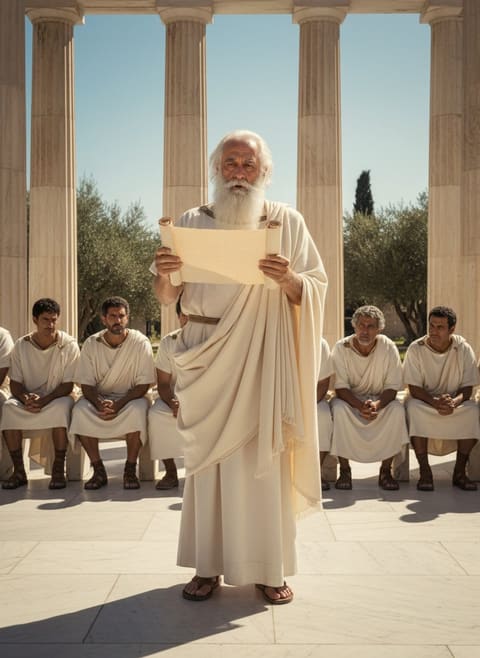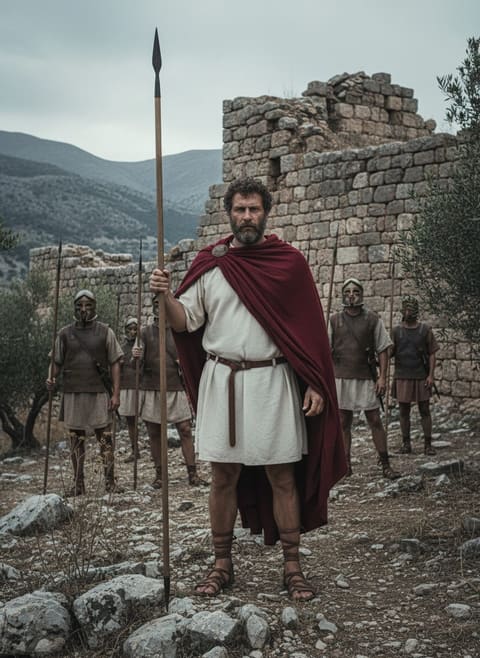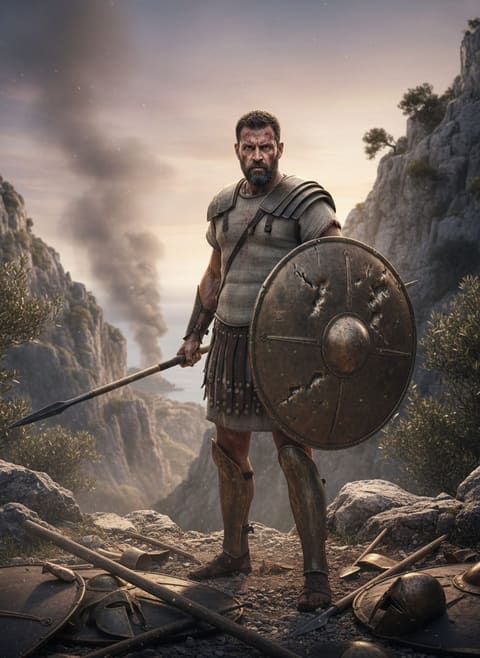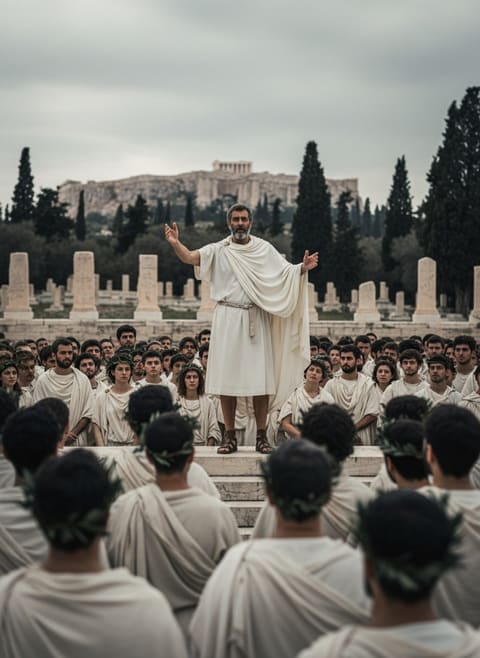
The dust from Athens’ bustling agora swirled in the warm spring air of 483 BCE, weaving through the columns of the crowded Assembly. The sun hung high in the sky, casting shadows longer than the debates raging beneath them.
Amidst the hum of voices, the clinking of coins was a symphony to the ears of Athenian citizens, each dreaming of newfound wealth from the rich silver veins of Laurion. Yet, unseen to many, a political gambit was unfolding that would change the course of Greek history.
Silver’s Lure and Themistocles’ Vision
In the hills near Laurion, southeast of Athens, strikes of pickaxes unearthed a fortune that glimmered like the promise of prosperity itself. The discovery of silver could have enriched every citizen's purse, a democratic boon in the world's first democracy.
But for Themistocles, the plunder was not merely a gift from the gods to squander on fleeting opulence. It was potential: potential to shift power, to guard against looming threats that the ordinary Athenian, drunk on the prospect of wealth, could not perceive.
Read next: Solon Cancelled Athens' Debt and Freed Its Enslaved Citizens
Themistocles, a non-aristocratic politician rising through the ranks of Athens' complex society, was unpopular among the traditional elite but well-rooted in the affections of common citizens. He had seen firsthand the shadow cast by Persia after the Battle of Marathon in 490 BCE, where he stood among Grecia's defenders. The threat was tangible, palpable, creeping ever closer with each of the empire’s expansions. With silver, Athens could arm itself, fortify its walls, or steer towards an ambition of naval dominance.
Yet convincing the populace to forfeit financial windfall for warships was no small feat. It demanded persuasion, artistry in rhetoric, and more than a touch of guile. Thus, the art of political maneuvering unfolded in the agora, a stage where Themistocles had undoubtedly polished his craft.
The Great Deception and the Winds of Change
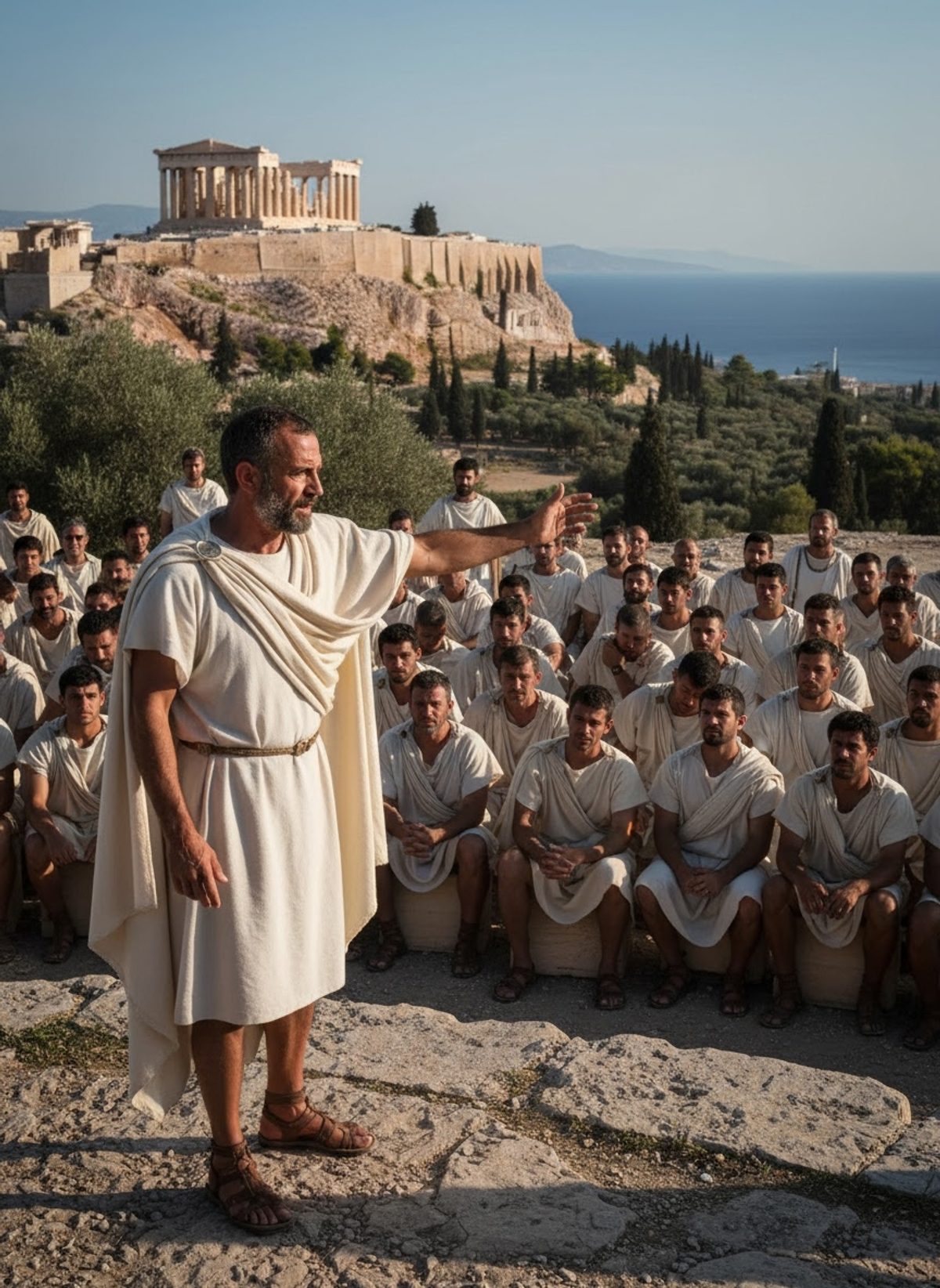
Themistocles approached the Athenian Assembly with a proposal wrapped in caution and forethought. He did not endeavor to frighten the citizens with the specter of imminent war; instead, he played on a subtler fear of piracy, calling upon tales of Aegina, Athens' long-standing rival.
While piracy's threat could be exaggerated, the suggestion of vulnerability without proper naval protection struck a chord. Themistocles spoke eloquently, agitating a hornet's nest of latent anxieties, subtly pivoting the debate towards what he deemed necessary: a powerful navy, not for the glories of empire, but for the specters of security and dominance in their own seas.
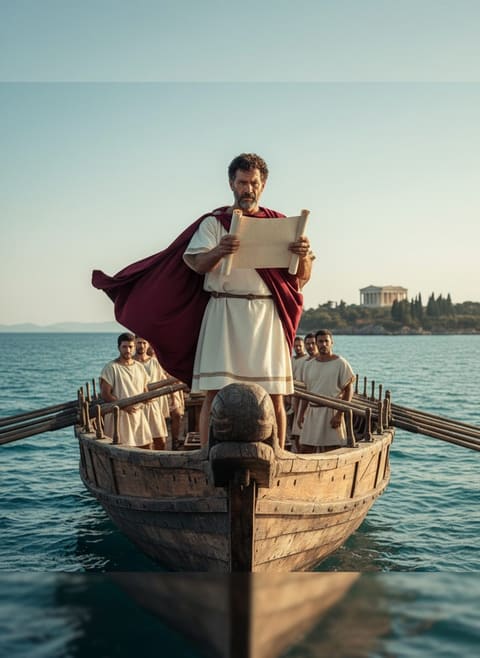
He advocated for the construction of 200 triremes, the swift, agile vessels with three tiers of oars, fitted for combat and speed. Athens would not only safeguard its wealth but wield its naval strength in projecting power. His gambit was daring, and his charisma was the anchor that held his vision steady amidst turbulent debate.
Incredibly, the Assembly yielded to his oration, swayed by fears of piracy or perhaps by the promise of work and industry the shipbuilding would bring. Themistocles had ensured that the fortune from Laurion would not be dissipated in personal profiteering. It would unfurl the sails of a fleet destined to make history.
The Calm Before the Tempest
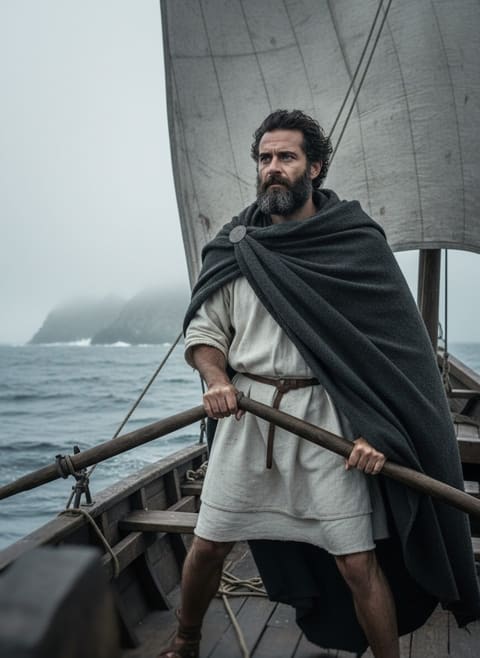
As timbers were cut and hammers clanged against iron, Athens braced itself for the storm Themistocles had intuited. Triremes took shape in the shipyards, sprawling across the harbor like unsteady fledglings preparing for flight. From afar, the clinking of construction sounded like the anticipation of battle drums echoing through the Peloponnese and beyond.
The shift was significant. For Athens, the naval buildup was more than mere preparation; it signaled an age of maritime ascendancy, a newfound confidence, and readiness to face adversaries both seen and unforeseen. By 480 BCE, three years post his remarkable feat of persuasion, the winds of war seemed governed by a cunning visionary who had prepared Athens for its greatest challenge.
Read next: Phryne Stripped Before the Jury and Won Her Own Trial
The Battle That Reinvented Athens
The clash came, not as an unwelcome surprise, but as an expected trial in 480 BCE amid the second Persian invasion. King Xerxes' forces, vast like the sands of the scorching desert, moved southward. The threats over which Themistocles had fretted now took form in a fleet so extensive it seemed to blot out the horizon, a harbinger of doom.
Enter the Straits of Salamis, a narrow theater chosen by Themistocles for its strategic ambush potential. Here, his new Athenian navy, forged from the silver of Laurion and the wit of his counsel, lay in wait among the islands' shadows. Persian ships, colossal and cumbersome, struggled through the constricting waters, oblivious to the impending trap.
Amidst the cramped chaos, triremes darted like nimble predators, ramming, boarding, engulfing the enemy fleet with fervor. The naval might that Themistocles nurtured came to bear with devastating precision during the Battle of Salamis, where Athens and its allies turned the tide of war. In the aftermath, Persian ambitions waned, their ships splintered, and their specters of conquest dissipated.
The victory at Salamis was decisive, a symphony harmonized by foresight, valor, and the very ships hewn from silver's bounty. It marked a pivot not just for the war, but for Athens, inaugurating its golden era, rooted in naval supremacy and empowered residency over the Aegean Sea.
This story of strategy, persuasion, and legacy tells of Themistocles, who saw more than the promise of silver glinting in the earth. With acute perception, he understood that fortunes gained today lay the foundations of power and resilience in the face of tomorrow’s uncertainties. And so, as the tides rise and fall, and the winds whistle through the ruins of ancient harbors, his legacy whispers a timeless truth: true wealth safeguards, sustains, and propels aspirations beyond the horizon.