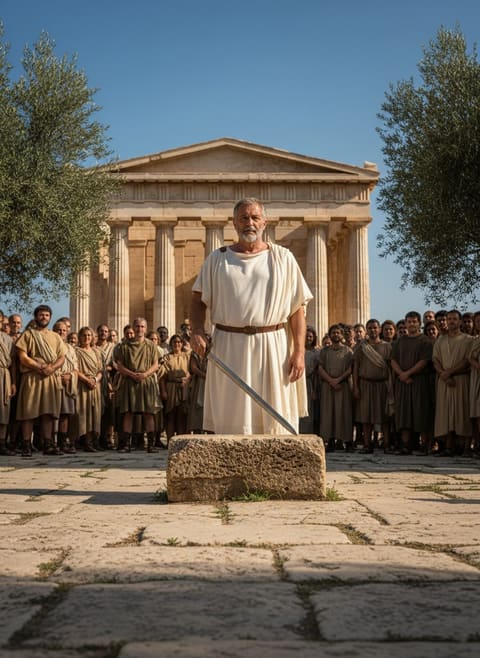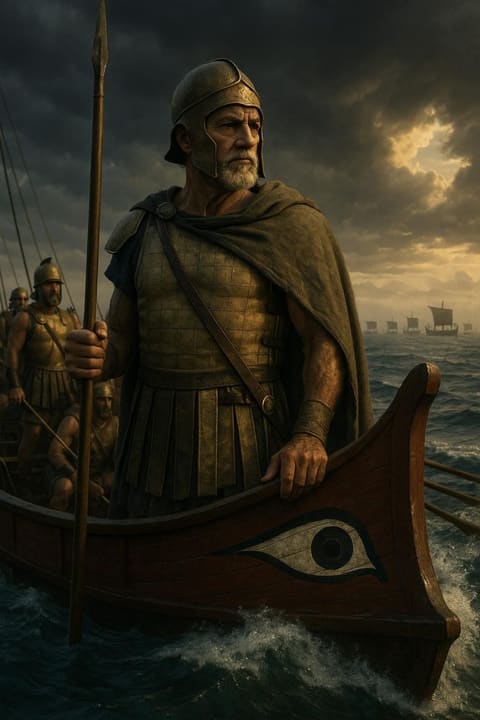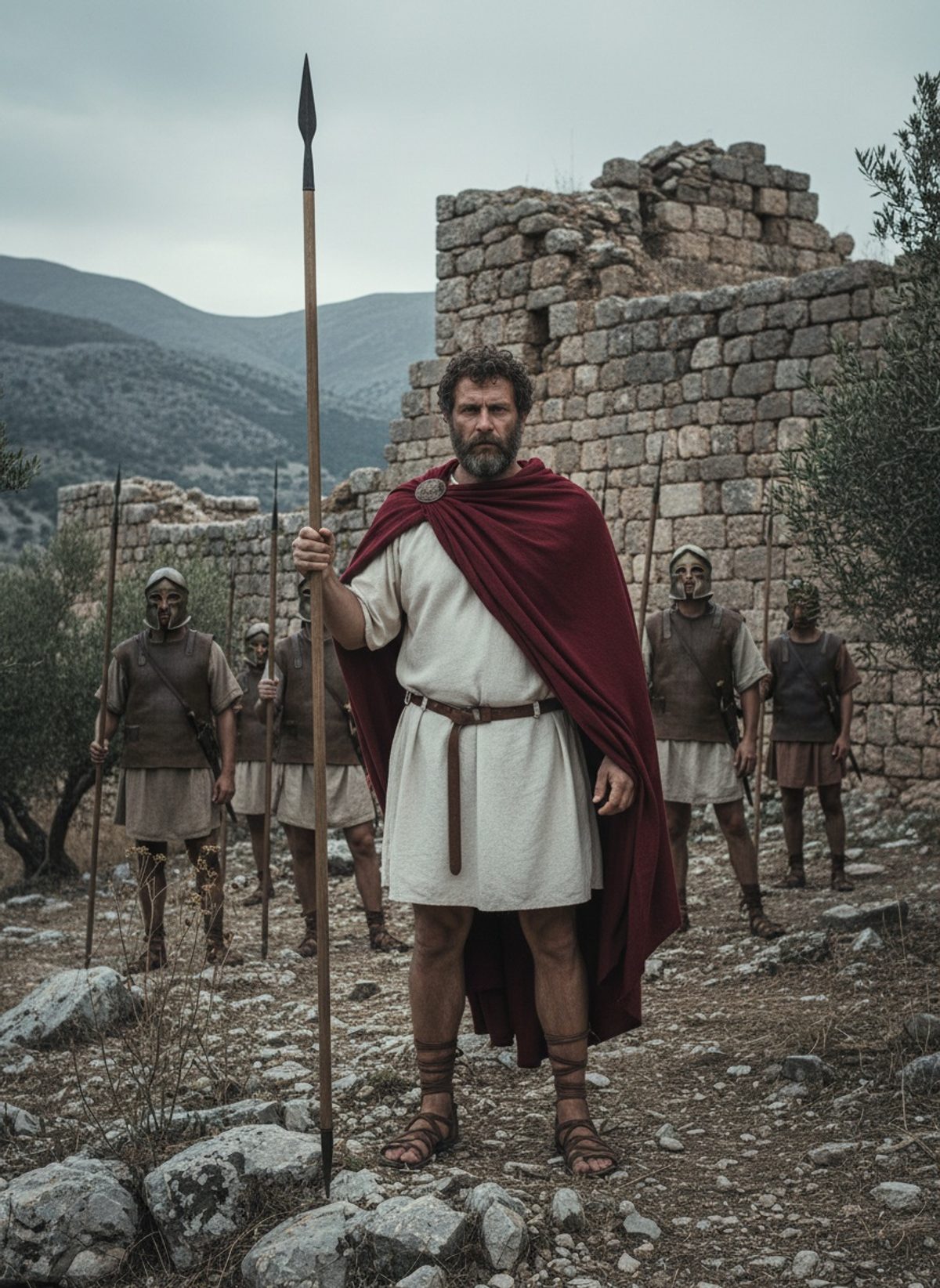
Winter, 320 BC. The skeletal walls of the fortress around Nora rose against a bleak horizon.
A Greek in a Macedonian World
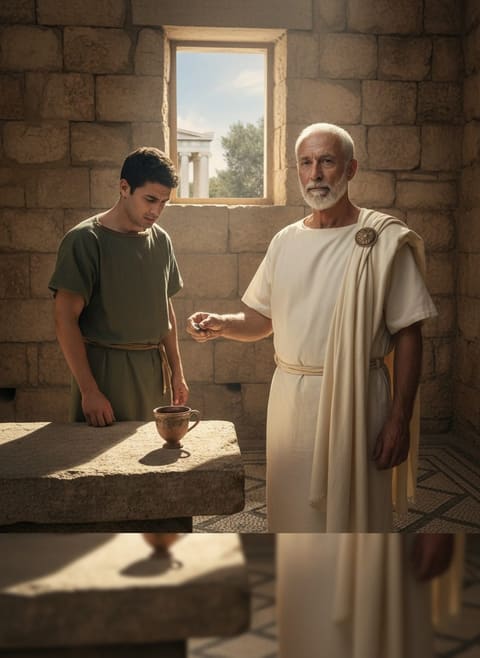
Eumenes of Cardia was not born into the halls of power, but rather into the humble setting of the Thracian Chersonese. He came from a background that would have traditionally marked him as an outsider in Macedonian circles. His father, Hieronymus, managed to weave a connection with the mighty Philip II of Macedon. This friendship afforded the young Eumenes a foothold in the Macedonians' courts, leading to his role as a royal secretary — a position of surprising influence but often scorned by the Macedonian elite.
Eumenes spent his early years in the shadow of illustrious figures such as Philip II, learning statecraft and military strategies through osmosis. His role as secretary placed him at the heart of decision-making, where he oversaw communications and gained an understanding of the inner workings of what was swiftly becoming the largest empire the world had seen.
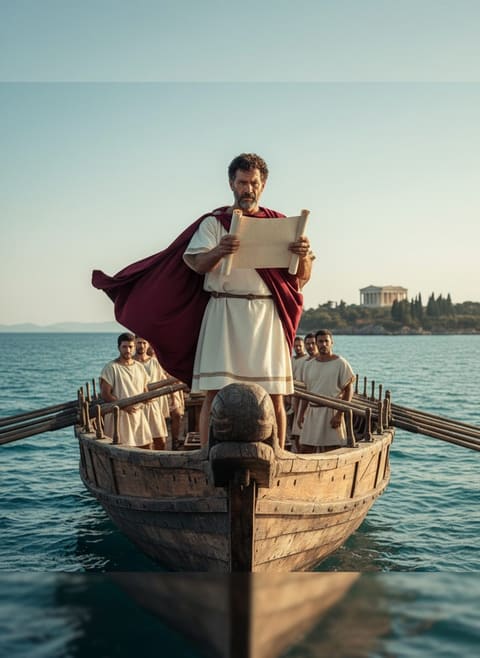
His skills and brains garnered the attention of Alexander the Great, who appreciated his shrewd insights and unshakable loyalty. Despite his contentious relationship with some of Alexander's inner circle, Eumenes proved his mettle time and again. He wasn't just a scribe but a trusted confidant and, eventually, a battlefield commander capable of overcoming more experienced foes — a fact best demonstrated at the Battle of the Hellespont in 321 BC, where he bested Craterus, one of Alexander's seasoned generals.
Read next: Demosthenes Stood Before Athens. They Laughed. He Came Back.
When the echo of Alexander's death reverberated through the Hellenistic world, Eumenes found himself in a precarious position. His allegiance lay with the Argead dynasty, a choice that painted a target on his back during the chaotic Wars of the Diadochi. The power vacuum left by Alexander saw his former comrades transformed into cutthroat rivals. Eumenes' past victories turned to haunt him as he became a hunted man, marked as a public enemy by the likes of Antipater and Antigonus, the new power brokers of the shattered empire.
The Lonely Warrior
By 319 BC, Eumenes' fortunes had dwindled. Defeated by Antigonus at the Battle of Orkynia, he became an exile confined to the fortress of Nora, perched between the desolates of Cappadocia and the aspirations for destiny. Here, with the weight of Alexander's legacy on his shoulders, Eumenes faced a grim reality: he was vastly outnumbered, lacking an army, abandoned by his allies, and had dwindling resources. Yet, he refused to let his story end in the obscurity of Nora's walls.
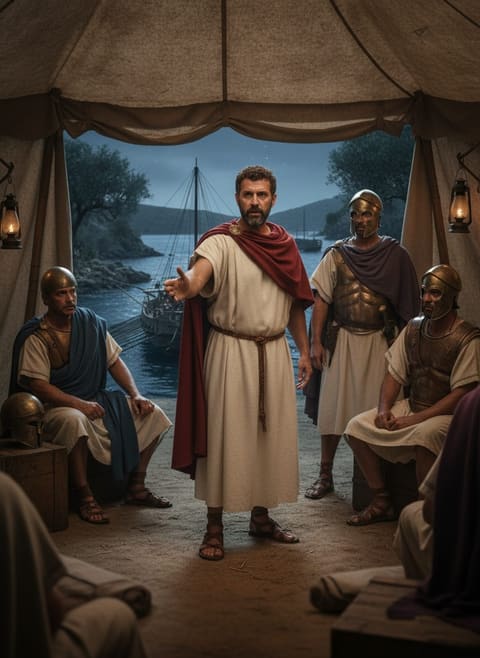
Through a mixture of loyalty and sheer determination, Eumenes managed to rally a small contingent who still believed in his cause. These were not merely soldiers; they were the rearguard of a dream that had seen the Persian empire fall, a dream that had dared to carve out an empire spanning continents. Perhaps it was the unwavering resolve reflected in his eyes or his strategic acumen that convinced them to stay. In the harsh shadows of winter, Eumenes meticulously planned his escape from Nora.
Eumenes capitalized on the distrust and rivalries among the other successors. He aligned with Polyperchon and Olympias, seeking to leverage their influence against Cassander and Antigonus. It was a cunning move, uniting those who still had a stake in the survival of Alexander's heirs. His relentless optimism — the belief that battles can be won not just with swords but with strategy — became his greatest weapon.
Read next: Pericles Stood at the Grave. He Chose Every Word.
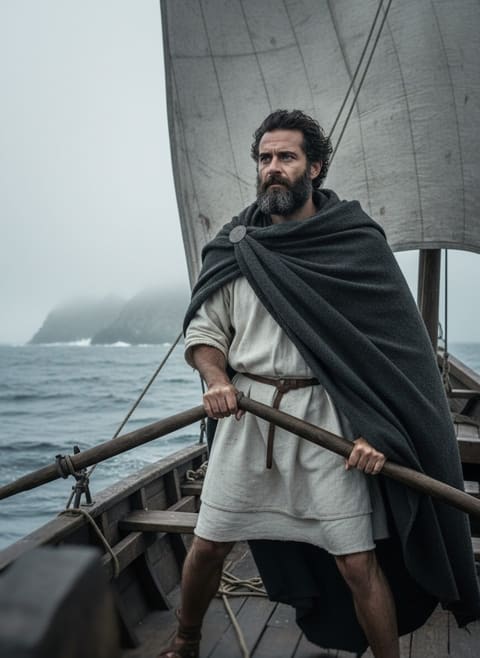
As he slipped out of Nora under the guise of deception and charisma, Eumenes began assembling an army from the remnants of those who had dispersed to the winds of the empire. Through diplomatic ingenuity and promises of bounty upon victory, he cobbled together a force willing to march under his banners once more.
The Final Gambit
Riding on the backs of history and determination, Eumenes struck back with ferocity. At the Battle of Paraitakene in 317 BC, he demonstrated that his tactical genius hadn't dimmed in exile. With audacious maneuvers and the effective use of cavalry, he held his ground against a formidable Antigonus, giving his adversary one of the hardest-fought battles of his career. Although the clash at Gabiene in 316 BC ended indecisively, it starkly highlighted Eumenes' indomitable spirit, refusing to submit in his audacious campaigns.
Despite these flashes of tactical brilliance, fate was not on Eumenes’ side. Betrayed by his own men, the infamous Silver Shields, who were swayed by Antigonus' promises, Eumenes was handed over to his rival. The irony was bitter; these were soldiers he thought loyal to Alexander's legacy, yet pragmatic survival instincts showed otherwise. Captured and executed in the winter between 316–315 BC, Eumenes' end was undeniably poignant.
But why, after all these trials and betrayals, does Eumenes' story resonate through the corridors of history? Perhaps it lies in how he refused to be constrained by fate, social status, or the cards dealt by life. A Greek in the heart of Macedonian ambition, a secretary who rose to the forefront of warfare, Eumenes fought with both pen and sword for a cause larger than himself. His tenacity continues to inspire us to rise above our origins and strive for greatness against all odds.