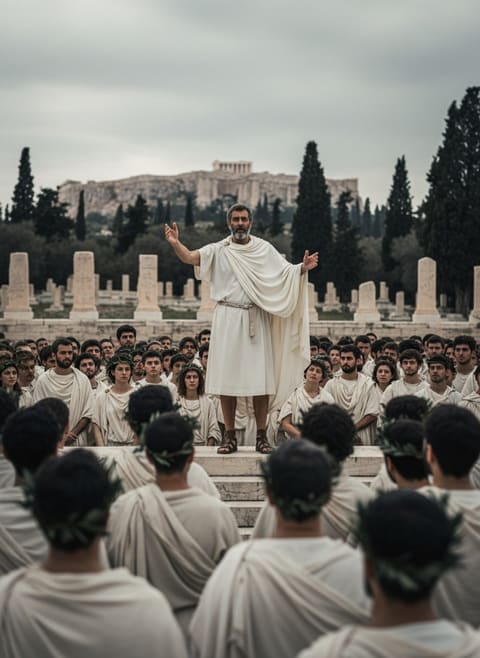
The sun hung low over Athens, casting long shadows over the city’s dusty streets. In the marketplace, merchants peddled their wares amidst the clamor of daily life, while secluded in their homes, families faced the oppressive weight of crushing debt. It was 594 BC, and Athens was at a breaking point.
The poor had mortgaged everything, even selling their children into slavery, to appease aristocratic creditors. In a time when division threatened to rend the city-state apart, one man was entrusted with the power to mend the broken fabric of Athenian society: Solon.
The Desperate Straits of Athens
In the decades leading up to 594 BC, Athens saw severe economic disparity. Many citizens, burdened by debt, faced the unimaginable. Families pledged not only their lands and homes but also their freedoms, and those of their children, to remain afloat.
The sight of Athens’ fields being tilled by its own enslaved sons and daughters became disturbingly common. Those who could not pay their debts were sold abroad, while others, shackled by their obligations, became serfs in service to the few wealthy landowners.
Read next: Sophocles Stood Before the Court. He Read a Poem.
Under the suffocating burden of Draco's harsh laws, discontent simmered. Athens was an inferno of unrest, awaiting a spark to ignite its ruin. Known for meting out death for minor infractions, Draco’s laws had done little to quell the social unrest. The possibility of civil war hung over the city like dark clouds, threatening to plunge Athens into chaos.
The Rise of Solon
Born around 630 BC into a noble family, Solon was esteemed for his lineage, traced back to Codrus, the last King of Athens. In his early life, Solon was reportedly engaged in maritime trade, an endeavor considered unaristocratic but one that furnished him with keen insights into the complexities of commerce and human endeavors. He was driven by philosophy and poetry, earning his place among the Seven Sages of Greece.
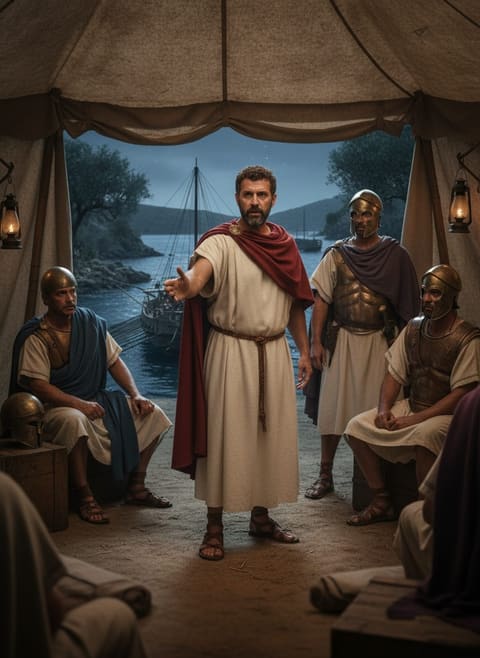
His standing among the people was elevated during the conflict with Megara over the island of Salamis. Appointed as the leader of the Athenian forces, Solon used his poetic prowess to stir the spirits of his troops, ultimately securing the island for Athens. This victory, strategic and culturally significant, bestowed upon him immense prestige and positioned him as a champion of the people.
The Revolutionary Reforms of Solon
In 594 BC, Athens looked towards Solon for a solution. As archon, or chief magistrate, he was granted temporary autocratic powers, entrusted with the city’s survival. Solon recognized that easing social tensions required more than temporary relief; structural transformation was imperative.
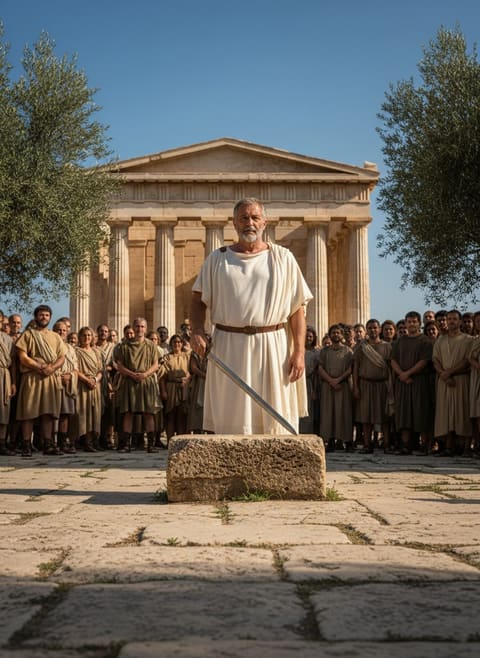
The heart of Solon’s reform was his enactment of the *seisachtheia*—the "shaking off of burdens." This landmark initiative canceled all debts, liberating those who had been enslaved due to their obligations. It was a radical move that leveled the societal playing field, returning dignity and agency to the many Athenians who had been subjugated by the system. He repealed all of Draco’s laws, save those pertaining to homicide, creating a less draconian legal framework.
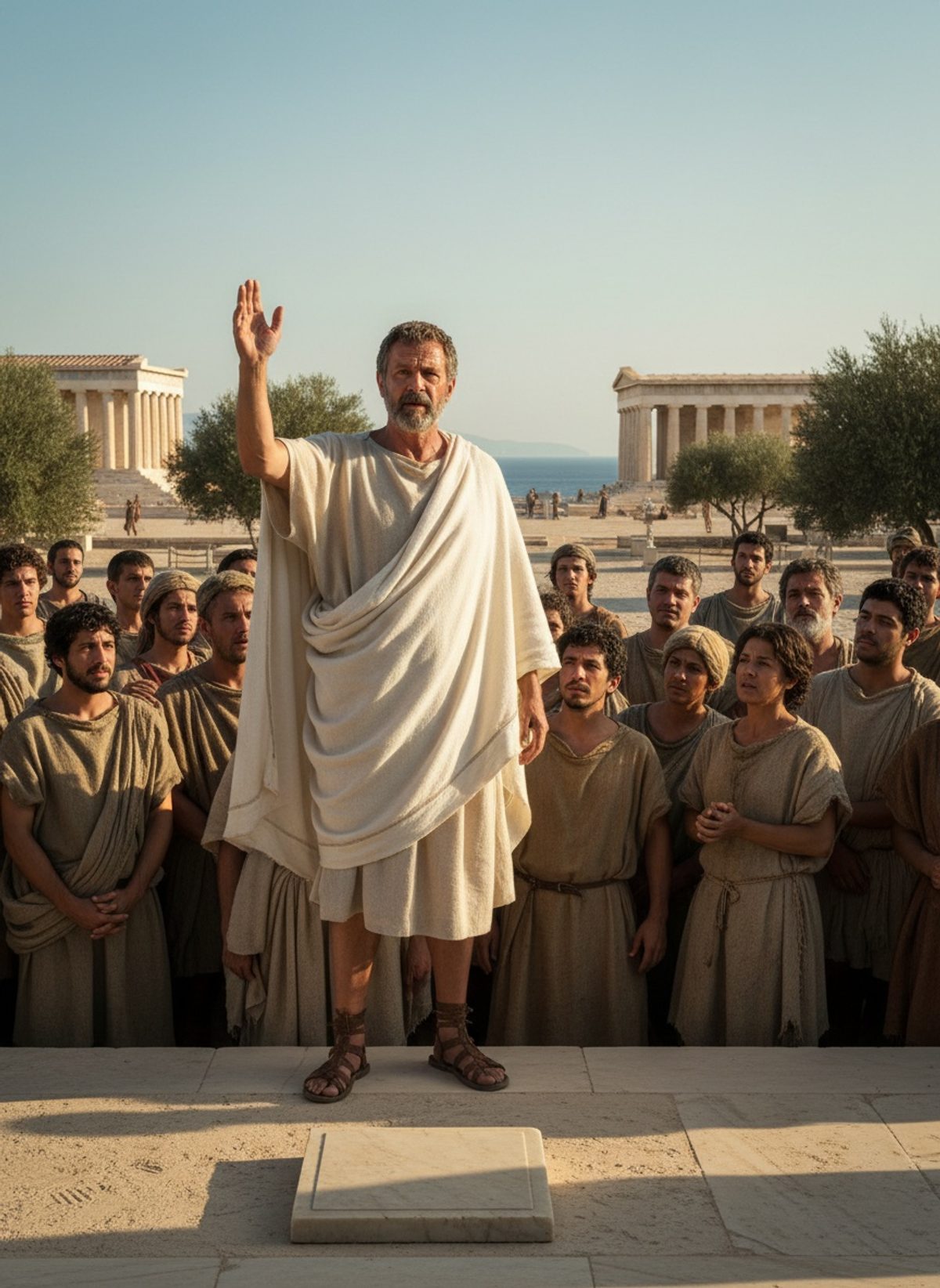
Solon’s legislation did not stop at debt relief. He instituted a class system based on wealth rather than heredity, opening political participation to a broader segment of society. By laying the foundation for inclusive governance, Solon’s reforms sowed the early seeds of democracy, empowering citizens to have a say in the rulership of their city-state.
Read next: Eumenes Had No Army Left. He Fought Anyway.
A Breath of New Life
The reforms of Solon not only averted the immediate threat of civil strife but also set Athens on a path towards prosperity and influence. Freed from the chains of debt and servitude, the Athenian population found renewed vigor to contribute to society. An increase in political participation entailed more than an administrative change; it marked the awakening of civic consciousness, which would become a hallmark of Athenian identity.
Solon’s legacy was profound yet complex. While his immediate changes brought peace, they did not address all the societal inequalities, as his measures concentrated more on political reform than economic redistribution. Nonetheless, through constraints of time and survival, Solon demonstrated that leadership rooted in empathy, coupled with wisdom, could transform societies.
Touched by inspiration from one of history’s early reformers, Athens crafted a new narrative for itself from the ashes of discord. Solon’s shadow loomed large over the development of Athenian society, a story echoing through time as the ideals of governance and civic duty took root.
Even today, in our modern interpretation of democracy, we find echoes of Solon's daring vision—an enduring reminder that bold, humane leadership can steer society from the brink of collapse to the promise of a brighter horizon.