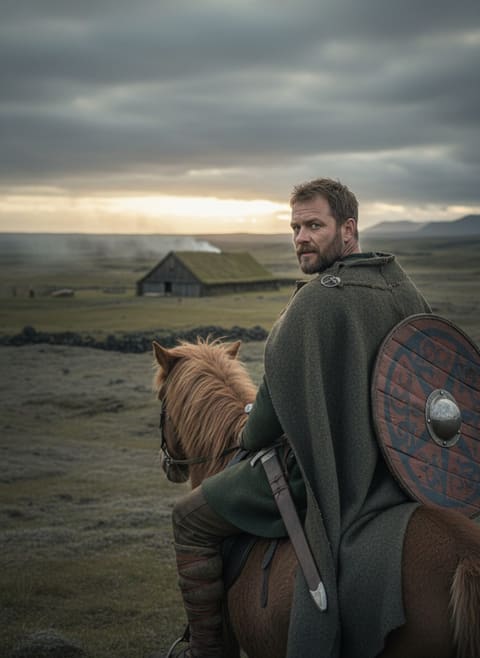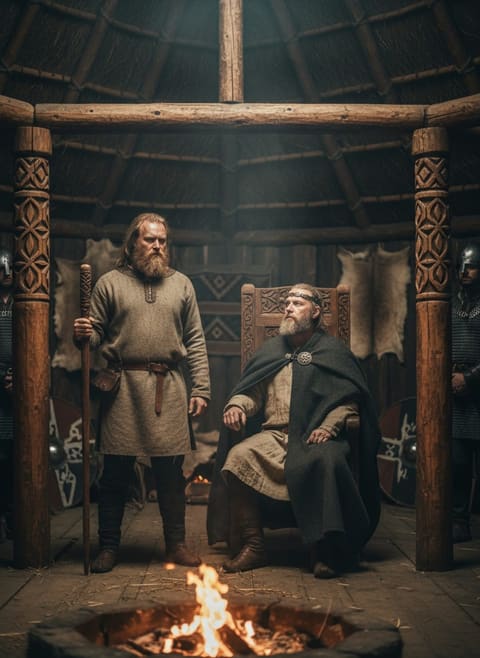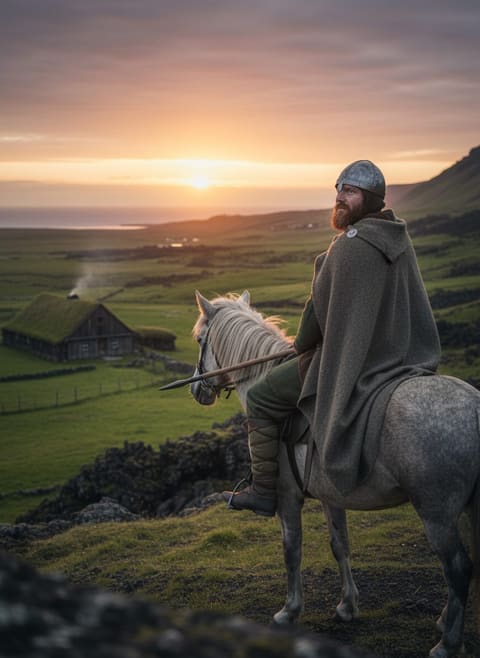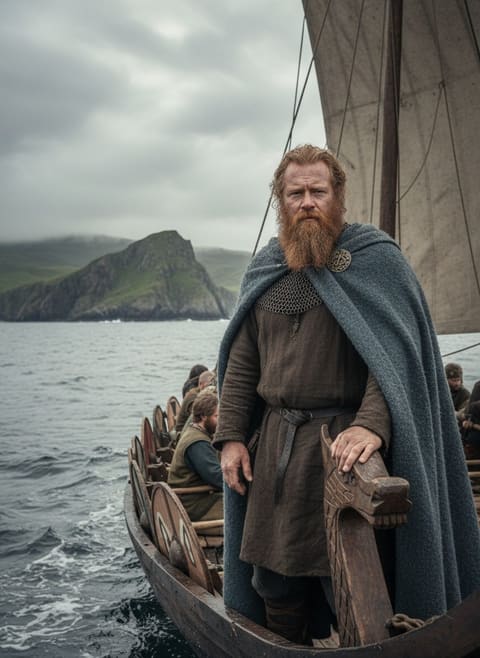
The wind howled across the battlefield near the shores of Dublin in April 1014, carrying with it the salt and spray of the sea, intertwining with the steely scent of clashing swords and shields. Beneath a sky turning fiery with the promise of battle, warriors stood tense and ready, their minds steeled for the bloodshed at hand. It was the Battle of Clontarf, an engagement that would later be etched into legends and histories alike. For Sigurd the Stout, Earl of Orkney, this field would be the final stage in his storied life. Though a seer's foreboding words had warned him otherwise, the Viking lord chose to raise his raven banner, the harbinger of doom, knowing full well what fate awaited him before day's end.
The Ominous Banner
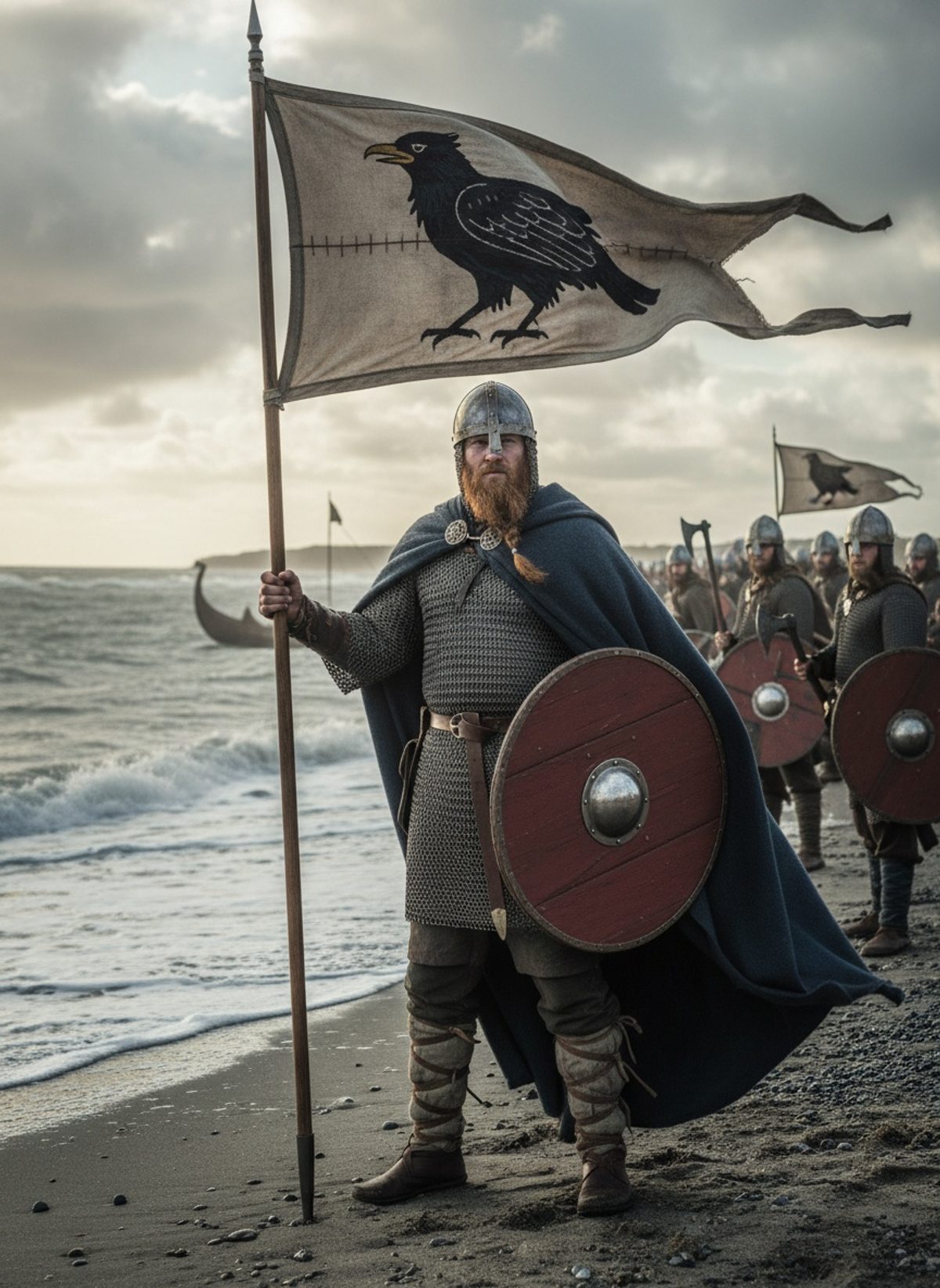
The raven banner of Sigurd the Stout, known as the "land-waster," was no ordinary flag. Its symbolism was potent, depicting a raven, the bird often associated with the Norse god Odin, harbinger of war and death. Crafted for Sigurd's father by a legendary sorceress, it was said that whoever bore the banner into battle would face death, but ultimate victory would be bestowed upon the army behind it. This paradox of valor and peril made it a formidable talisman in Sigurd’s hands.
Days before the battle, a wise seer warned Sigurd of the cursed fate the banner carried. Speaking with the uncanny clarity of prophecy, she foretold that the bearer of the raven would never see another dawn. Despite the counsel, Sigurd was determined, his heart thrumming with an indomitable spirit that rivaled the fiercest waves of the Atlantic. With the banner as both his shield and spiteful talisman, Sigurd rode into the fray, embodying the Norse warrior ethos that celebrated courage above all else.
The Clash of Clontarf
The Battle of Clontarf was more than just a clash of arms; it was a crucible that tested alliances and enmities stretching across the seas. On the plains near Dublin, Irish forces led by High King Brian Boru faced a coalition of Vikings and Irish adversaries. Despite their differences, the prospects of land and plunder held the allegiance of the Norsemen and their reluctant Irish allies.
Read next: Óláfr Haraldsson Faced the Skald. He Spared Him.
This was no ordinary encounter. The Norse had, for generations, been tormentors of the Irish coasts, raiding and settling in waves that reshaped the landscape. Clontarf was a culmination of resistance against these foreign forces. Sigurd, however, was not merely a villain on this storied day; his presence was a testament to the complex ties between Norse and Gaelic nobility. Driven less by pillage and more by the gravity of dynastic politics, his personal stakes were interwoven with his survival.
The battle raged throughout the morning, the clangor of steel mingling with cries of the wounded. Sigurd, clad in iron and fury, waved the raven banner with pride, its black wings appearing to beat against the blood-red sky. To him, the raven was a symbol not just of a threat, but of an indestructible will—a declaration of fearlessness in the face of the seer's damning vision.
The Turning Tide
As midday passed, the battle shifted with the tides of fate. The Irish ranks, bolstered by Brian Boru's unyielding resolve, advanced relentlessly. The Viking lines, once steadfast, began to crumble under the weight of the Irish onslaught. Amongst this chaos, Sigurd the Stout fought valiantly, his axe a blur amidst the din. But prophecy, it seemed, was a power greater than any weapon forged by man.
Read next: Freydis Stood Alone. The Men Had Already Run.
As the sun dipped lower, word began to spread amongst the Viking lines that Sigurd had fallen. The raven banner, eerily still, lay upon the earth like a shadow of its former glory. It marked not just the end of a man, but a turning point in the legend of Clontarf. With Sigurd's death, the courage of the assembled Norse began to falter, their leaders cut down and their hopes dashed against the resolve of the Irish defenders.
Beyond the Raven's Shadow
As twilight descended upon the battlefield at Clontarf, the devastation was total—a grim testament to the fury of the age. Though King Brian Boru himself fell at the close of the battle, the Irish had secured their lands for future generations. Sigurd's death, foretold and fulfilled, became a narrative thread in the great tapestry of Viking sagas, intertwining with the legends of heroes old and new.
Sigurd the Stout's choice stands as a vivid illustration of the human condition—of destiny known and embraced without flinching. His story resonates through time, reminding us that even amidst the foreshadowing of certain demise, there lies a courage in embracing the doomed path. If history teaches us anything, it is that the echoes of such decisions extend far beyond the moment they were made. The death of Sigurd the Stout at Clontarf invites us to ponder not only the myths and legends that form the fabric of our histories but also our own willingness to face the unknown with unwavering resolve.