On 28 September 1863, a magazine editor in Philadelphia sat down to write a letter to the President of the United States. She asked for something she had been seeking for years. On 3 October 1863, Lincoln issued the proclamation.
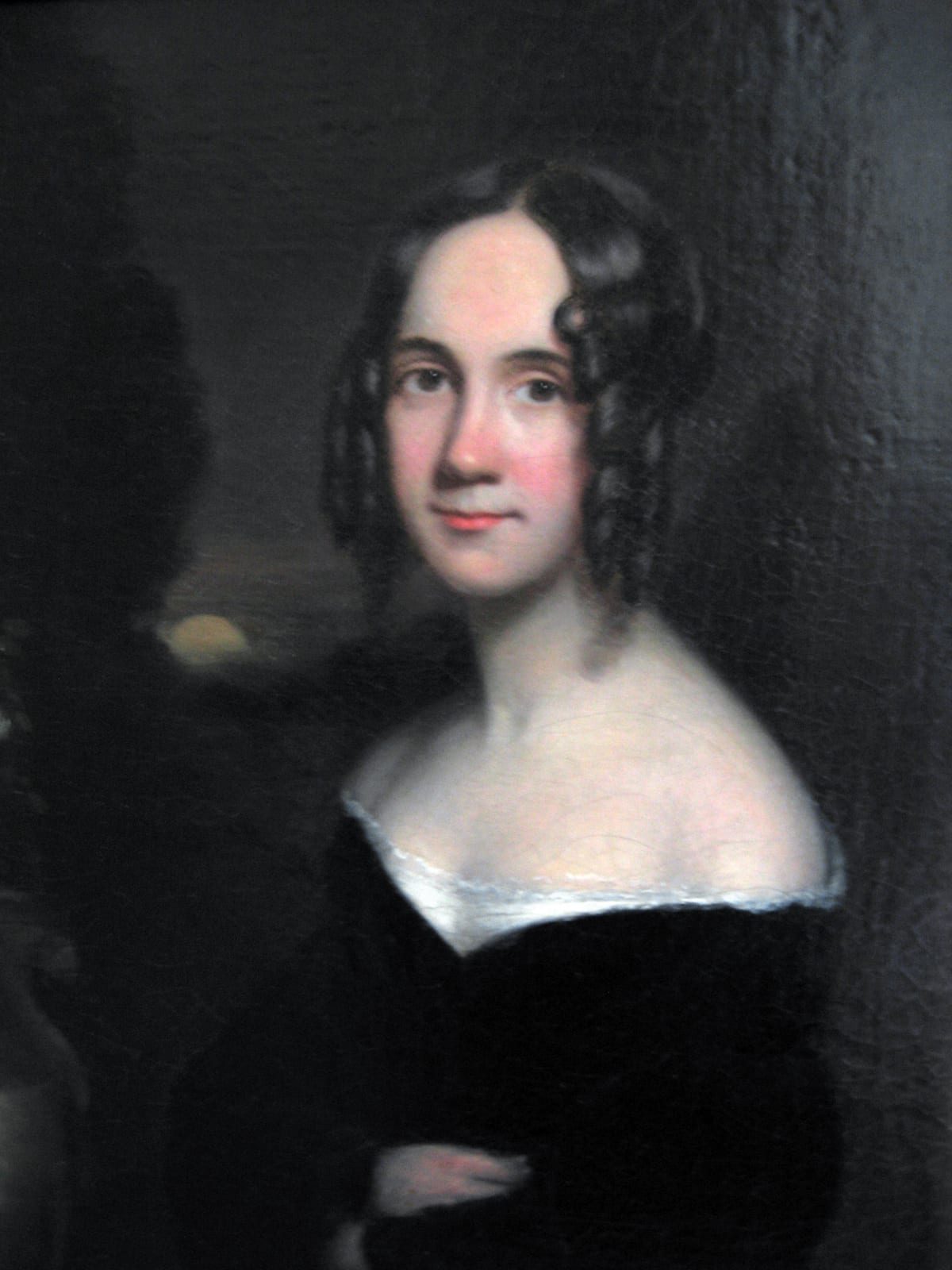
Her name was Sarah Josepha Hale. She was the editor of Godey's Lady's Book, and she wanted Thanksgiving made a national holiday.
A widow with a magazine
Sarah Josepha Buell was born in Newport, New Hampshire, on 24 October 1788. Her husband, David Hale, died in 1822. Wikipedia says they had five children, and that she wore black for the rest of her life as a sign of mourning.
She turned to writing. Wikipedia says her first novel was Northwood. Plimoth Patuxet Museums say that in 1837 she joined Godey's Lady's Book, later becoming its editor, and that she held the post until 1877. They also say its wide readership made her one of the most influential voices in the country for much of the 19th century.
Read next: Eratosthenes Measured the Earth's Circumference With a Stick
A holiday for one region
Thanksgiving was a New England custom, and the appointment of the day rested with each state's governor.
Sources date the start of her campaign differently. The National Park Service points to essays she wrote in 1827 and a letter-writing campaign from 1846, and calls it a 36-year quest. Plimoth Patuxet says she petitioned governors and successive presidents. She also used her magazine, once writing: "We petition each and all the State governors to appoint that day for our national rejoicing."
The letter to Lincoln
By 1863 the Civil War was tearing the country apart. The Battle of Gettysburg in July had caused more than 50,000 casualties. Hale wrote to Abraham Lincoln and asked him to make the day of Thanksgiving "a National and fixed Union Festival".
She told him she had spent "the last fifteen years" pressing the idea on the governors of all the states and territories, ministers abroad, missionaries and Navy commanders. She also said she had written to her friend William Seward, the Secretary of State. Her letter even checked the calendar for him, asking for the last Thursday in November, "which falls this year on the 26th".
Lincoln's answer
On 3 October 1863, Lincoln issued a proclamation setting aside the last Thursday of November "as a day of Thanksgiving and Praise to our beneficent Father who dwelleth in the Heavens". He did not write it himself. The National Park Service and the American Battlefield Trust both say it was drafted by Seward.
The proclamation asked Americans to remember widows, orphans and mourners in the "lamentable civil strife", and to pray that the Almighty would "heal the wounds of the nation".
Read next: Julius Rosenwald Built 4,977 Black Schools Across the Jim Crow South
Historians do not agree on how much Hale's letter mattered. The National Park Service says the proclamation might never have been issued without her. Wikipedia says her letter convinced Lincoln. Either way, she became known as the "Mother of Thanksgiving".
What came after
Plimoth Patuxet says presidents set the day aside every year from 1864 until 1939, when Franklin Roosevelt moved it back a week to extend the Christmas shopping season.
Hale also helped shape the menu. Her novel Northwood describes a Thanksgiving table with roast turkey and pumpkin pie, a menu that sounds very familiar today.
Hale was not a radical. Wikipedia describes her as a conservative who opposed women's suffrage, which cost her the support of active feminists. Even so, an editor with a pen and a stubborn streak kept writing until a wartime president gave her a national holiday.