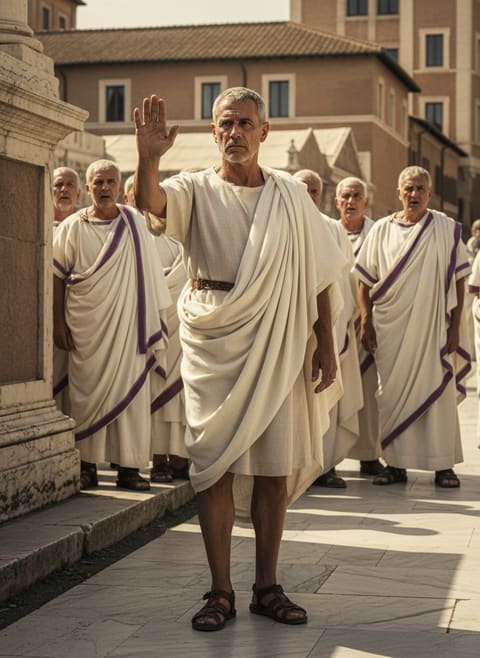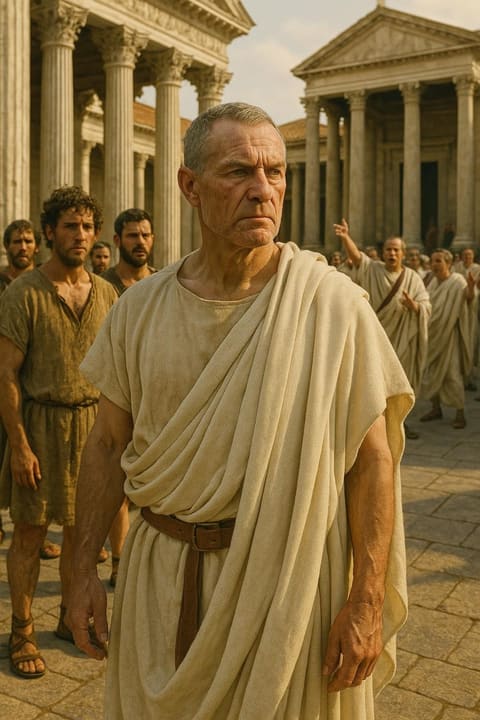
Cicero was just a lawyer. But he became a legendary prosecutor in nine days.
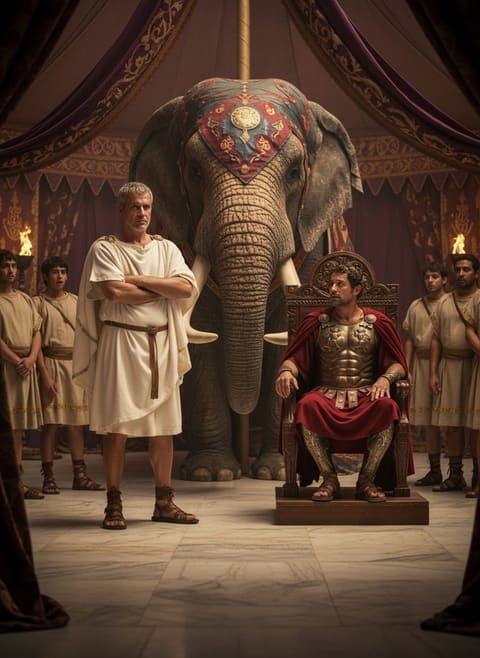
In 70 BC, the Roman Republic was an empire in all but name, stretching across the Mediterranean and beyond. But back in the Eternal City, corruption ran rampant among its political elite. Now, one man's notorious misdeeds had reached a point where even the Senate, accustomed to overlooking its peers' indiscretions, could no longer ignore the outrage seething beyond their walls. His name was Gaius Verres, and he had, for the past three years, governed Sicily not just with incompetence, but with outright contempt for justice, sparing nothing and no one in his pursuit of wealth and power. Sicilian temples had been stripped bare, their treasures shipped across the sea to line Verres' pockets. Harvests had been seized and sold, with the province's prosperity shrinking under the weight of his avarice. Yet, Verres had powerful allies; his network of favors extended to the highest echelons of Roman society, convincing many that he was endued with a Teflon quality — nothing could stick.
Enter Marcus Tullius Cicero, at the time a relatively young and ambitiously intelligent orator. Equipped with wit sharper than a Roman gladius and a tireless devotion to justice, Cicero would challenge the system. Despite Verres’ acquisition of Quintus Hortensius Hortalus — acknowledged as the greatest defender and the best legal mind in Rome — Cicero was unshaken. The case was a monumental gamble for the ambitious Cicero, who aspired not just for political ascendancy but for the kind of moral clarity that Rome desperately needed. It was a David-and-Goliath scenario, and yet Cicero had more than a sling at his disposal; he had evidence, strategy, and a gripping narrative that would cut through Verres' defenses like a hot knife through wax.
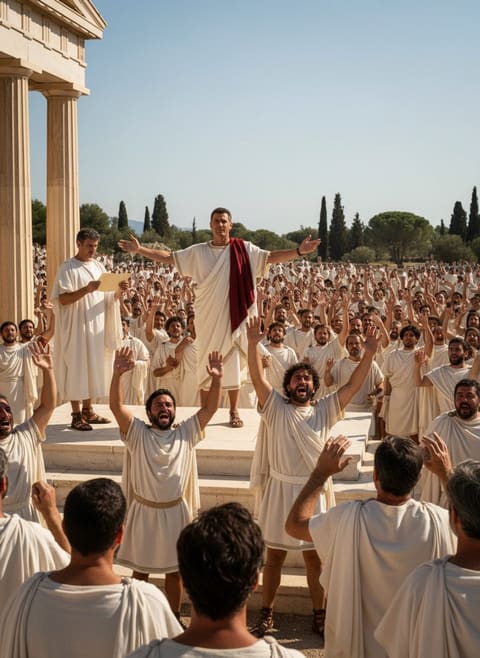
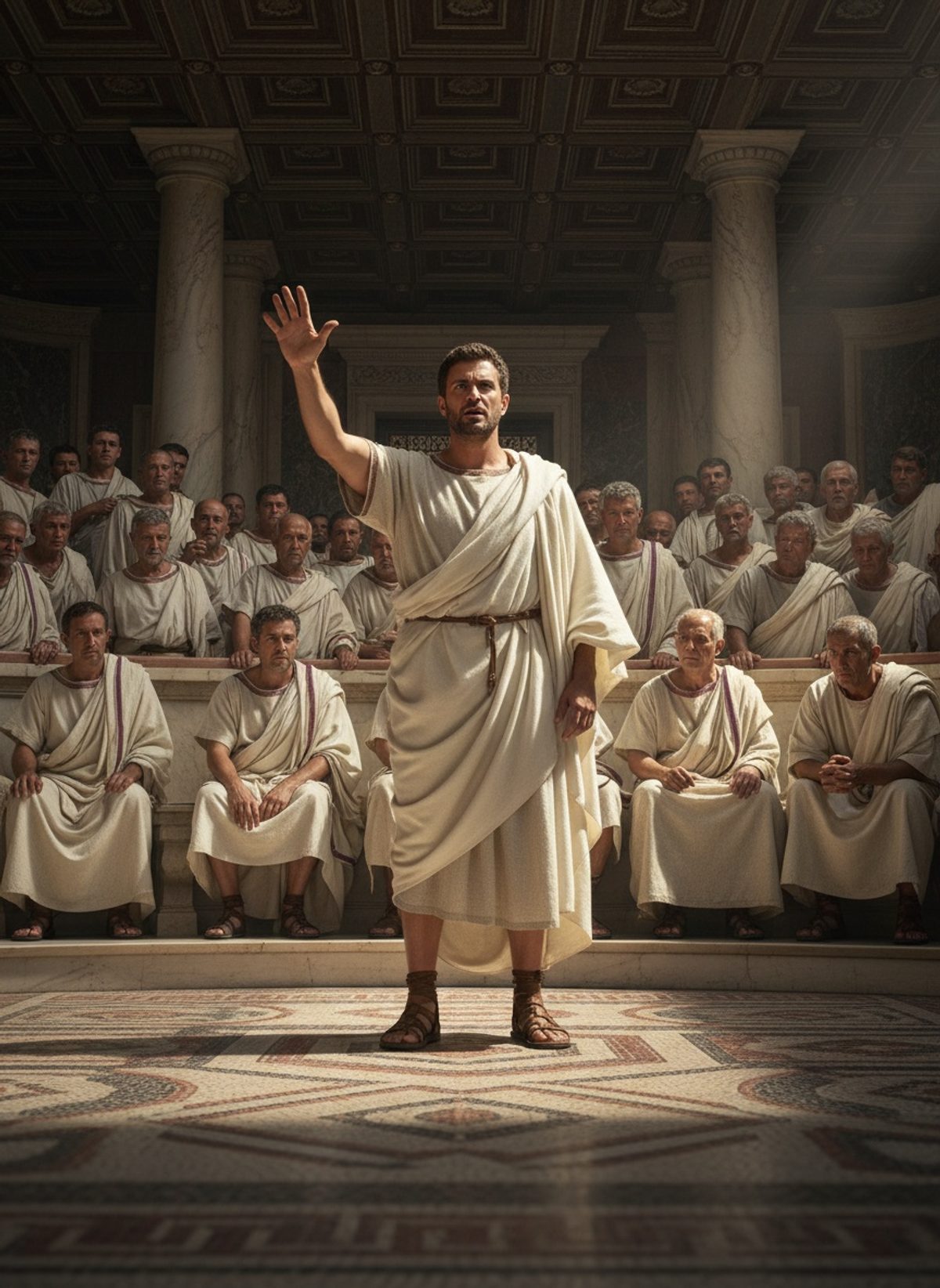
Cicero meticulously gathered testimony from those whom Verres had wronged, inducing a crucial blend of fear, respect, and hope among Sicilians who clamored for justice. His attention to detail painted a vivid picture of the misery that had been thrust upon Sicilian shoulders. Amidst the swirl of a packed Roman courtroom, he invoked the attentive silence of his audience with a spellbinding oration. The dazzling rhetoric was more than mere words; it was an incendiary device ignited under the Republic's crumbling morality. The air was thick with anticipation and the gathered crowd — senators, citizens, allies, and foes — hung onto every detail, every damning piece of evidence Cicero presented.
Read next: Marcus Atilius Regulus Walked Back to His Death
When Cicero spoke, it was with the mastery of a battlefield general, maneuvering deftly through oratory tactics that ensnared his opponent within a cage of logic and moral outrage. Each word seemed to echo with the cries of a beleaguered Sicily. His oration, known even in Cicero’s lifetime as a matchless piece of legal and public speaking, was laden with potent imagery — temples defiled, citizens despoiled, societal norms eroded. Verres' allies flinched under Cicero's relentless exposition, realizing that even powerful friends and exemplary legal counsel might falter when faced with such a skilled adversary.
Time was of the essence. The trial unfolded in the midst of the electoral season, meaning that delays could result in judges being replaced and allies gaining office. Cicero’s fidelity to the cause was complemented by tactical prudence; he deliberately executed a strategy that called for overwhelming force: instead of dwelling on lengthy courtroom theatrics, he presented a concise, devastating onslaught of irrefutable facts. Over nine days, Cicero laid out the case with unparalleled conviction. To Verres and his supporters, it was a relentless artillery barrage of truth.
Read next: Regulus Was Offered His Freedom. He Walked Back to Die.
The weight of Cicero's unyielding prosecution left Verres with a clear and unmistakable conclusion — flight was his sole refuge. Without a formal verdict, Verres chose self-exile over the inevitable humiliation of an official conviction, retreating into the shadows of the broader Roman world. Rome’s judicial proceedings, often cumbersome and drawn-out, had witnessed an unprecedented swiftness. In Verres' absence, the expectation of his downfall served as the judgment itself, a testament to the moral authority Cicero wielded.
This trial was a landmark not just for Cicero's career, propelling him to the status of "novus homo" or "new man" — a rare exception to Rome's entrenched aristocracy — but for the Republic's bruised integrity. It showcased a system that could, in moments of crystalline clarity, reflect the values of justice, honesty, and public interest. Verres' flight not only damned him but restored some semblance of faith that Rome could discipline its elite, however rare such victories might be.
Cicero's actions set a cornerstone for ethical governance; a silent muse for future generations seeking to navigate the machinations of power with righteousness. By uprooting Verres' corruption and standing undeterred against a tide of influence-peddling and legal maneuvers, Cicero spotlighted a profound truth: that courage in the face of the most formidable of adversaries could reshape the fate not just of a province, but of the very Republic itself. As the smoke cleared from this fierce litigation, the perception of what Rome could achieve — should achieve — glimmered, however fleetingly, with renewed clarity.