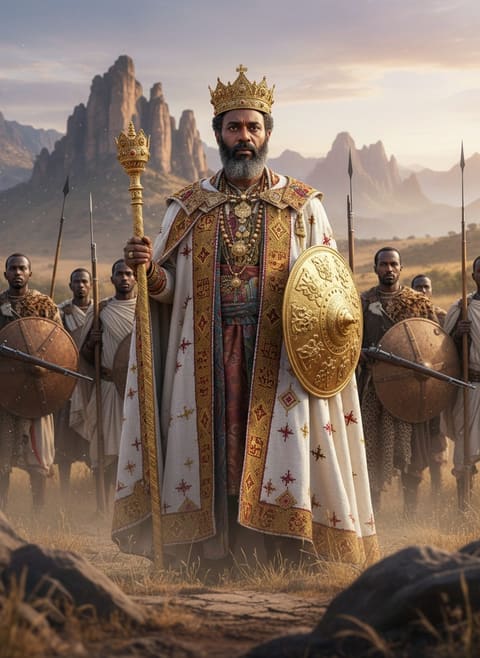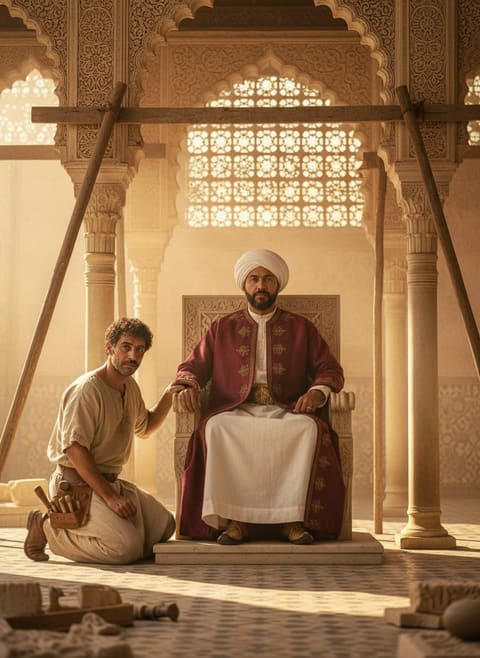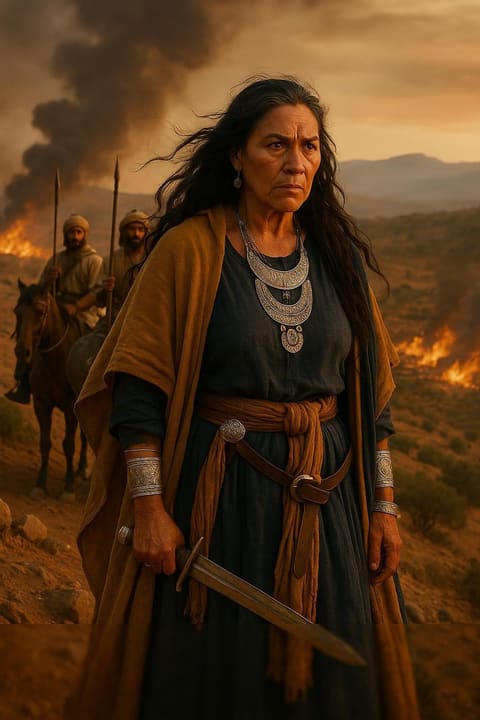
Khama III's homeland was set to disappear under Cecil Rhodes' thumb. The hand that threatened it was stopped an ocean away in London.
The Precarious Chessboard of Bechuanaland
The year was 1895, and the vast landscapes of Bechuanaland, now modern-day Botswana, were no strangers to the ambitions of imperial giants. Rich in untapped resources and occupying a strategic position in southern Africa, Bechuanaland was a coveted piece on the British Empire's expansive chessboard. For Khama III, the respected chief of the Bangwato, the idea of Bechuanaland falling into the hands of Cecil Rhodes was intolerable.
Rhodes, an ambitious businessman and imperialist, sought to expand his influence through the British South Africa Company, a semi-private enterprise with the backing of the Crown. The plan was to fold Bechuanaland into Rhodes' ever-expanding empire, making it another jewel in his crown. Despite the pressure from British officials, three Tswana chiefs—Khama III, Sebele I of the Bakwena, and Bathoen I of the Bangwaketse—desperately sought an audience in London to appeal for their homeland's autonomy.
A Voyage of Courage
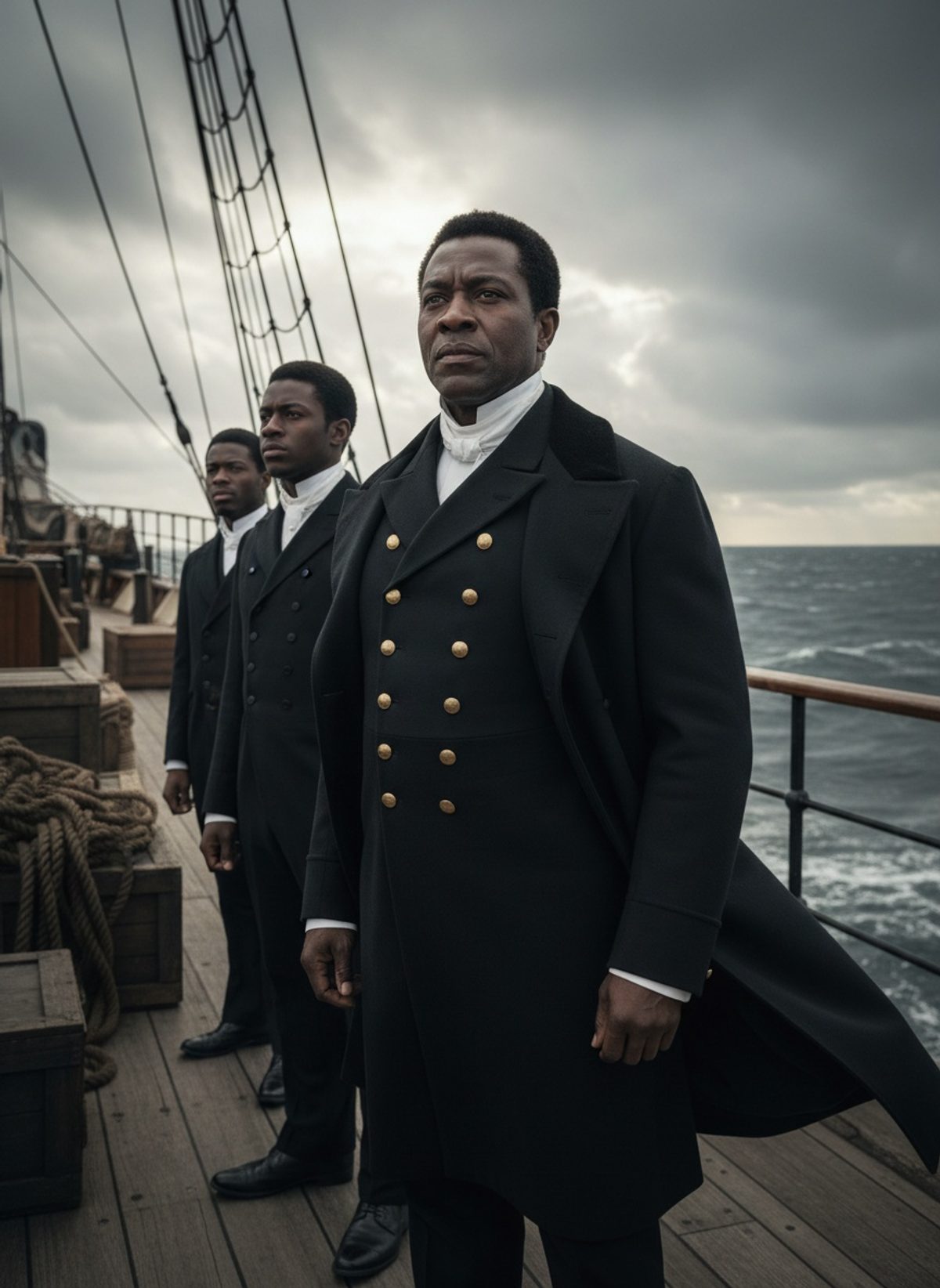
Without fanfare or troops, Khama III, Sebele I, and Bathoen I embarked on a courageous voyage across the vast Atlantic Ocean. Their journey from Africa to Britain was fraught with challenges; travel in the late 19th century was not an endeavor for the faint of heart. The ocean's unforgiving waves were just the start, but for these three, it was a necessary odyssey to confront a foreign power on its own turf.
Read next: She Walked Into the Court With No Shoes. She Left a Queen.
Upon arriving in London, they would have been like fish out of water, just three African chiefs navigating the bustling streets and foggy weather of Victorian England. This was not mere serendipity or reliance on good fortune. These chiefs understood that the battle for Bechuanaland would be won through persuasion and grace, rather than arms. The legends they carried spoke louder than any army could.
The Society Rooms and Halls of Power
The trio's time in London was spent in corridors of influence. Through strategic alliances with missionaries and advocates of African sovereignty, the chiefs managed to gain an audience with Queen Victoria herself. They appealed directly to her sensibilities, likening their struggle to the British spirit of independence and self-determination. The Queen and her ministers were swayed not just by the words spoken, but by the sheer audacity of the chiefs' presence.
Read next: She Walked Into a Room of Kings. She Spoke for the Poor.
Behind the closed doors of society rooms and offices, amidst formal gatherings and discussions, Khama III and his compatriots painted a vivid picture of their homeland: vast territories rich in culture, and strong, ancient traditions worth preserving. The chiefs' presence itself was a declaration of dignity; their resolve made it evident that they were not merely protectors of land but perpetuators of a way of life. The British public and press began viewing the chiefs as noble leaders, embodying the kind of character that even the empire could admire.
The Tide of Imperial Ambitions Turns
Ultimately, the chiefs' mission found success in unexpected quarters. Their appeal highlighted the overreach of Cecil Rhodes and raised questions of ethics and imperial propriety within the British government. As these concerns mounted, palpable pressure was applied, leading to the decision that Bechuanaland should be retained not under Rhodes' control but as a protectorate directly under British Imperial rule. While not fully autonomous, this ensured that Bechuanaland was spared the status of a commercial enterprise, free from Cecil Rhodes' exploitation.
Khama III and his fellow chiefs returned to Africa victorious—not in a sense defined by military conquest but through the power of negotiation, diplomacy, and personal representation. They were welcomed back to their tribes as heroes, guardians who stood against the convergence of ambition and empire. The lands of Bechuanaland remained safe for the time being, preserved for its people and their future generations.
The chiefs' journey across the sea in 1895 resonates far beyond their lifetime. It stands as a powerful anecdote in the annals of history—a reminder that sometimes, the mightiest battles are won not by the size of an army but by the strength of conviction. In seeking an audience with the most influential empire of their time, Khama III and his compatriots did what few dared even to imagine. They spoke truth to power and secured their people’s dignity in a way that weaponry alone never could. Today, their story underscores the potent interplay of courage and diplomacy, proving that the smallest voices can change the largest narratives.