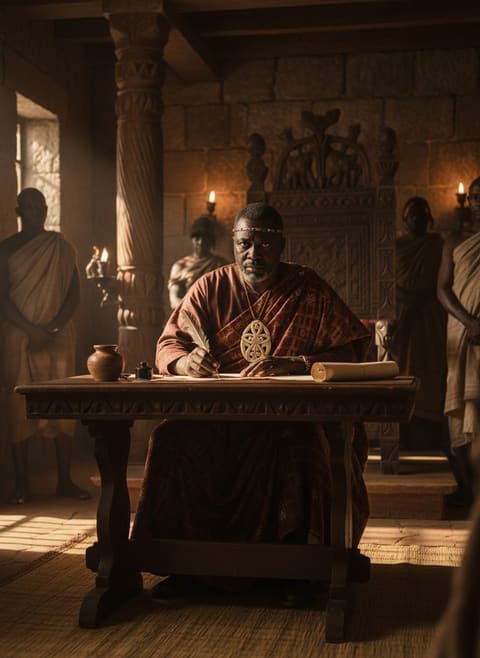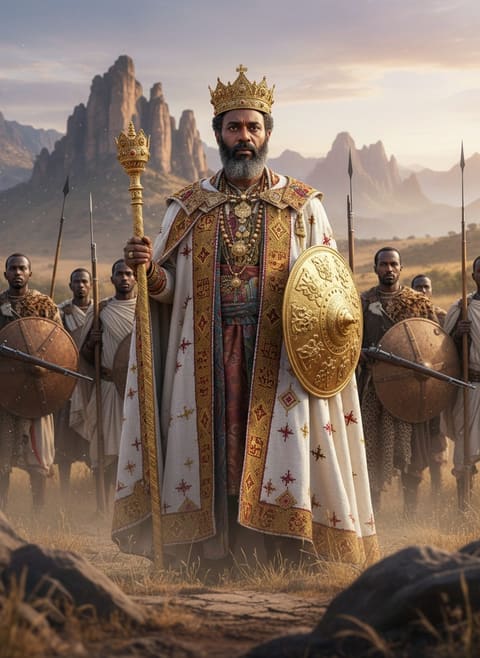
Most people have never heard of Mansa Musa. They should have.
The Call to Pilgrimage
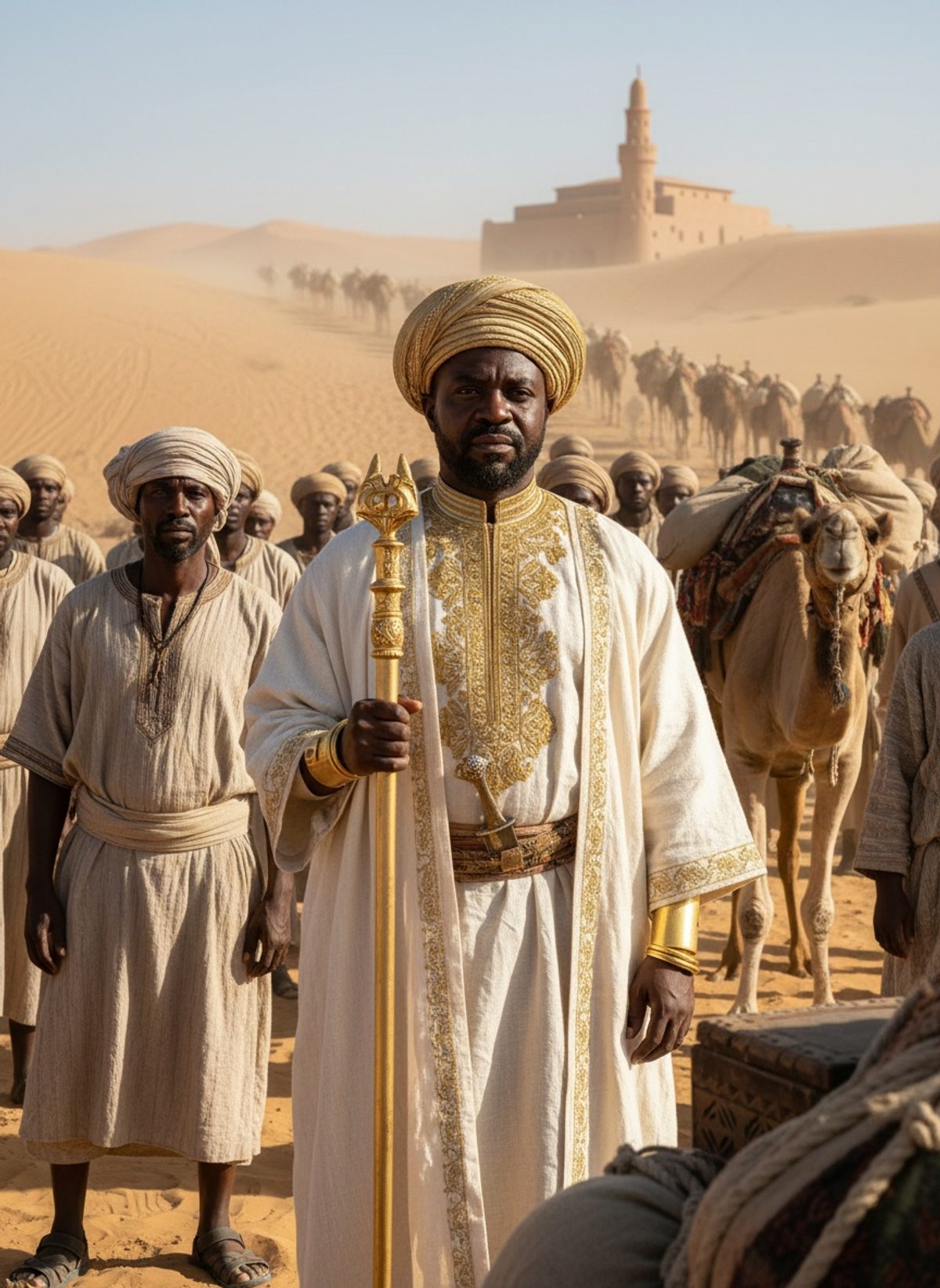
In 1324, Mansa Musa, the ruler of the Mali Empire, embarked on a journey that was to become the stuff of legends. His destination was Mecca, a sacred site for Muslims, as he was on a pilgrimage known as the Hajj. Unlike many who went on this spiritual journey with humble means, Mansa Musa set out with a retinue that defied imagination — sixty thousand men marched with him, their numbers forming a moving city. His caravan was not just a display of wealth; it was wealth itself. Thousands of camels carried tons of pure gold, and the grandeur of their procession echoed through the lands they crossed. Mansa Musa was a devout Muslim, and his pilgrimage was not just a testament to his faith, but also a declaration of Mali's immense wealth and cultural significance to the known world.
Riches Beyond Measure
Mansa Musa's wealth was so legendary that it has almost become the touchstone for discussions on affluence in historical contexts. When his caravan reached Cairo, the capital of the Mamluk Sultanate, he offered alms to the poor, which was a common practice among Muslim pilgrims. However, the scale at which Mansa Musa gave was unparalleled. Gold flowed from his hands like water, given freely to everyone from beggars to traders, and even as gifts to local leaders. As he traversed the bustling markets and vibrant streets of Cairo, he distributed enough gold to disrupt the region’s economy. The flood of gold set prices soaring and inadvertently caused inflation that the economy would struggle to recover from for years. Accounts of the time describe the Cairo markets in awe and chaos, their sudden influx of wealth a blessing and a curse intertwined.
A Generosity Without Borders
The generosity of Mansa Musa extended far beyond Cairo. Every city that opened its gates to him and his entourage became beneficiaries of his largess. Gold showered over cities such as Medina and finally Mecca. His reputation as a benevolent king filled the air before he even arrived; the tales of his generosity flowed along the same routes that he traveled. In each city, he purchased supplies for his followers, employed local artisans, and distributed gifts, all actions that left an indelible mark on local economies. Though historians today marvel at his philanthropy, economists of the time might have viewed his unchecked generosity with caution, perhaps suspecting the wider consequences that such wealth could bring to bear on fragile economic systems unprepared for such bounty.
Read next: She Walked Into the Court With No Shoes. She Left a Queen.
The Kingdom He Left Behind
While Mansa Musa journeyed across the desert, he left behind a kingdom rich in not just gold but culture. The Mali Empire's prosperity extended beyond its mineral wealth; it flourished as a hub of education and civilization. Timbuktu, made famous by Mansa Musa’s pilgrimage, was home to a burgeoning trade in books and an emerging intellectual fervor. The city housed one of the world's earliest universities and attracted scholars and theologians from across the Islamic world and beyond. The empire’s cities were vibrant centers of art and knowledge, interconnected by trade routes that stretched from the heart of Africa to the southern tips of Europe. Musa's journey, though showcasing his wealth, remained also a reflection of the cultural and intellectual dynamism of his empire.
An Echo Through Time
Mansa Musa's journey has resonated through the annals of history as a testament to the often overlooked grandeur of African kingdoms. While some view his pilgrimage as an extravagant display, it also served to rewrite the narrative of wealth and power, challenging perceptions held by European counterparts. Mansa Musa’s pilgrimage forced the world to recognize the economic might of the African continent long before colonial narratives took shape. His wealth shook economies, but his legacy strengthened cultural and scholarly ties across borders and generations. As we look back on his journey today, the story of Mansa Musa serves as a potent reminder of the interconnectedness of economies and cultures, and the impact one man's actions can have across continents and through time. Beyond the gold, there lies a richer story of an empire that walked boldly into history, leaving a luminous path for us to discover.