The wind whispered through the trees on a blustery day in Kent, casting shadows that danced across the hillside. The sky, a moody mix of clouds and golden light, seemed to stretch endlessly, the hush of the countryside broken only by the rustle of leaves. Yet beneath this tranquil setting lay a hidden story of survival and strategy, a tale etched into the very landscape—a narrative of collective memory concealed amid the threat of war.
A Memorial Carved in Chalk
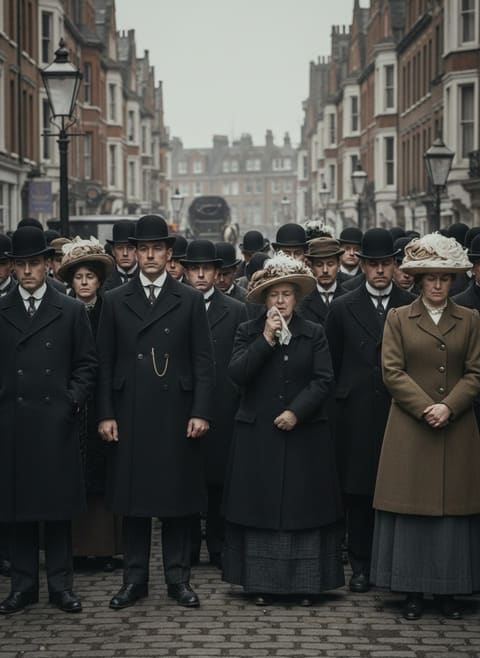
In the aftermath of the Great War, as Britain sought solace in remembrance, communities across the nation etched their sorrow into stone and earth. In Shoreham, Kent, villagers congregated to commemorate their lost, the men who never returned from the trenches of 1914 to 1918. Their tribute was carved into the hillside—a chalk cross, brilliant against the verdant backdrop. Embracing a thirty-foot breadth, it was a dazzling memorial, visible for miles around, a testament to bravery obscured by time.
The stark white cross stood sentinel over the valley, a symbolic beacon of lives offered in sacrifice. As a monument, it was simple but poignant, its striking simplicity a profound reflection of the village's grief.
The cross functioned not only as a memorial but also as a compass, orienting those who gazed upon it toward histories both personal and shared. Its creation was a communal catharsis, a way for the villagers to collectively grieve, yet it would soon become an emblem destined for obscurity for the sake of safeguarding future generations.
Read next: The Padre Who Walked Into No Man's Land Every Night
When War Darkened the Skies
With the ominous rise of World War II, the once peaceful horizon above Shoreham became a canvas for a different narrative—one of fear and defense. As the Luftwaffe began its relentless campaign over Britain, the landscape of Kent transformed from serene greenery into a strategic map for enemy navigators. The white chalk, which stood as a tribute, could lead enemy bombers directly inland, marking pathways like ink on paper, helping them find their bearings and target vital installations further afield.
The villagers faced a paradox: their cherished landmark, a homage to those lost in an earlier conflict, now posed a risk to those living in its wake. Silence fell over the community as they came to a unanimous, silent decision—what was once so openly displayed had to be concealed.
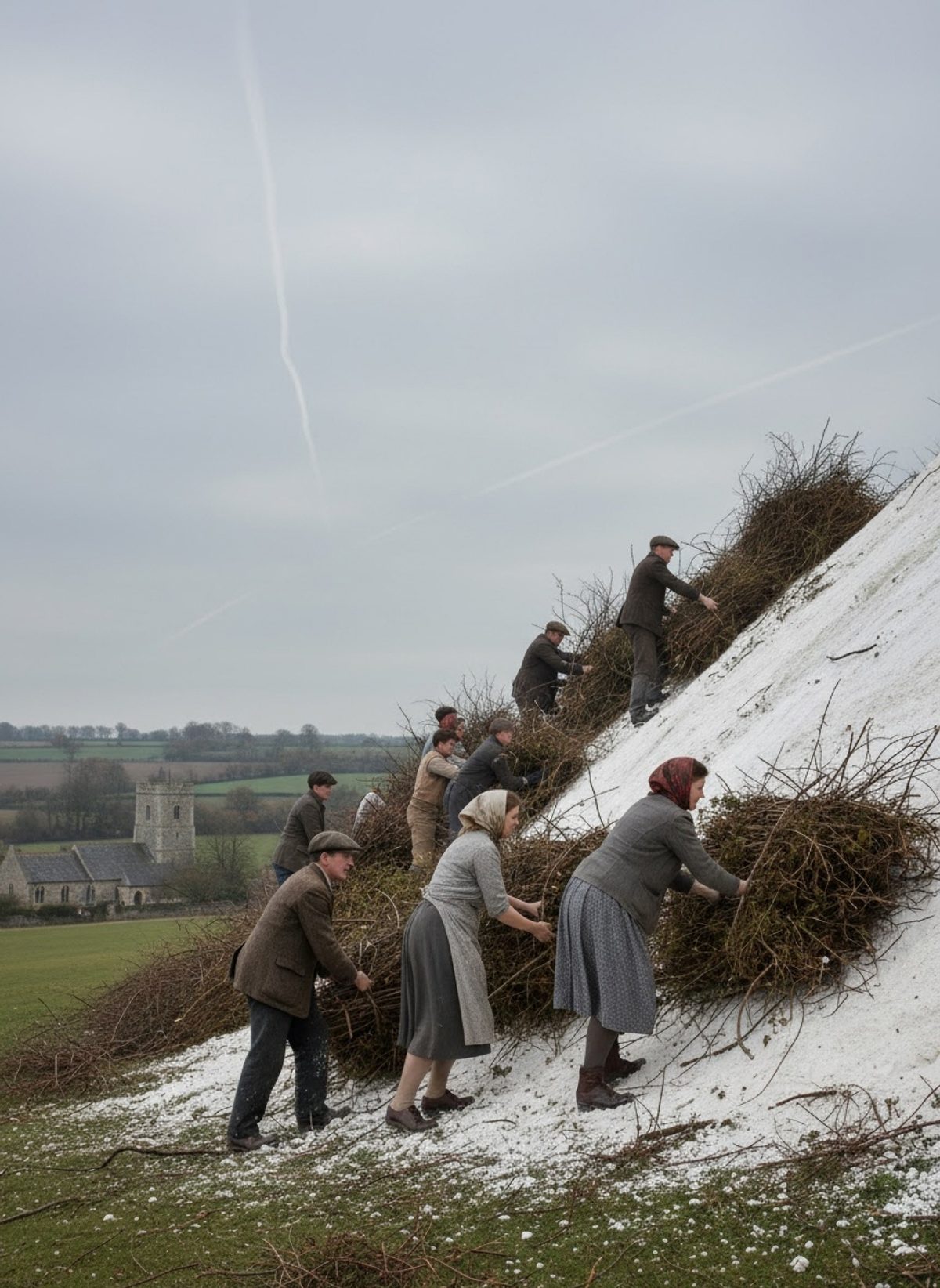
Branches, bracken, and camouflage found in nearby fields soon covered the glistening white cross. Disguised and obscured from view, it was a desperate yet bold move to erase its form from the heavens, to mask its guidance from lethal intent.
Buried by Bracken, Preserved in Memory
For years, the cross lay hidden beneath its leafy shroud, preserved in the minds of the villagers who had come together to protect not just a memory, but the living community relying on its obscurity. The sacrifice of concealment weighed heavily on them, adding another layer to the tribute—the act of hiding it becoming yet another form of remembrance, an active participation in the narrative of conflict and survival.
Read next: The Nurse Who Cycled Through the Blitz to Reach Her Patients
Summer heatwaves and winter frost passed over the hillside, leaving the cross buried and silent. Children grew up hearing tales from their elders about the hidden memorial, the village’s secret hidden 'lest it lead peril to their doorstep. This generation lived with the understanding of sacrifice existing within two realms—above and beneath the earth. The Shoreham cross, hidden and protected, continued to bind people with a history simultaneously shared and shielded
Unearthing the Past, Understanding the Present
As peace returned and the tempestuous skies cleared, the villagers of Shoreham slowly began to uncover the chalk once more. The hidden cross emerged from its earthy slumber, a ghost of white against the returning green. The landscape returned to a place of memory rather than strategy, the hurried camouflage brushed away, leaving the memorial whose value had never truly faded.
The story of Shoreham's chalk cross is not just one of fleeting measures taken during wartime. It **illustrates** the enduring power of collective resolve—a community’s commitment to safeguard both its past and present. This clandestine act of concealment underscores a deeper recognition of what it means to protect a legacy—a legacy both of memory and of people.
Why does this tale matter? Because it teaches us about the resilience of human communities amid adversity. In the face of existential threat, the villagers chose not just to remember, but to adapt memory itself, safeguarding it for future generations. This story, obscured by years and undergrowth, reminds us that sometimes protecting the past calls for drastic action, yet the lessons learned remain alive and visible, enduring as long as people are willing to uncover and tell them once again.