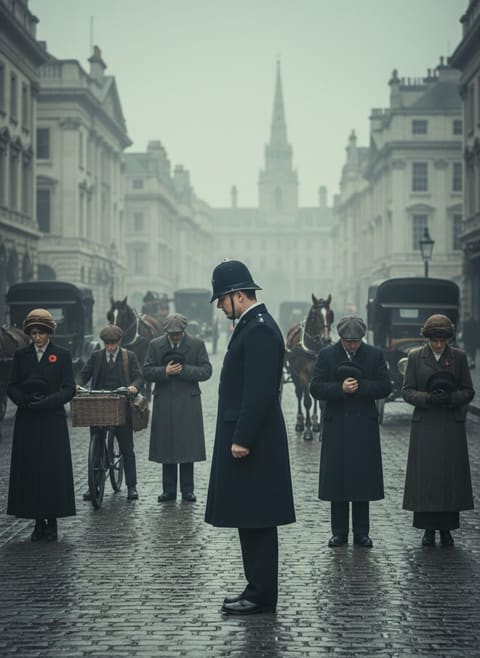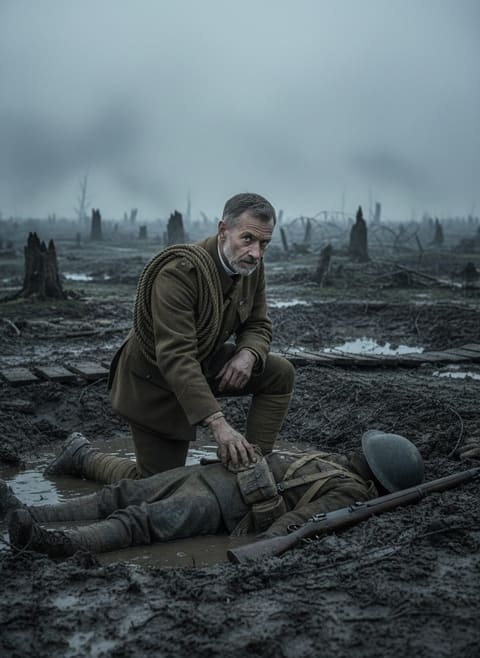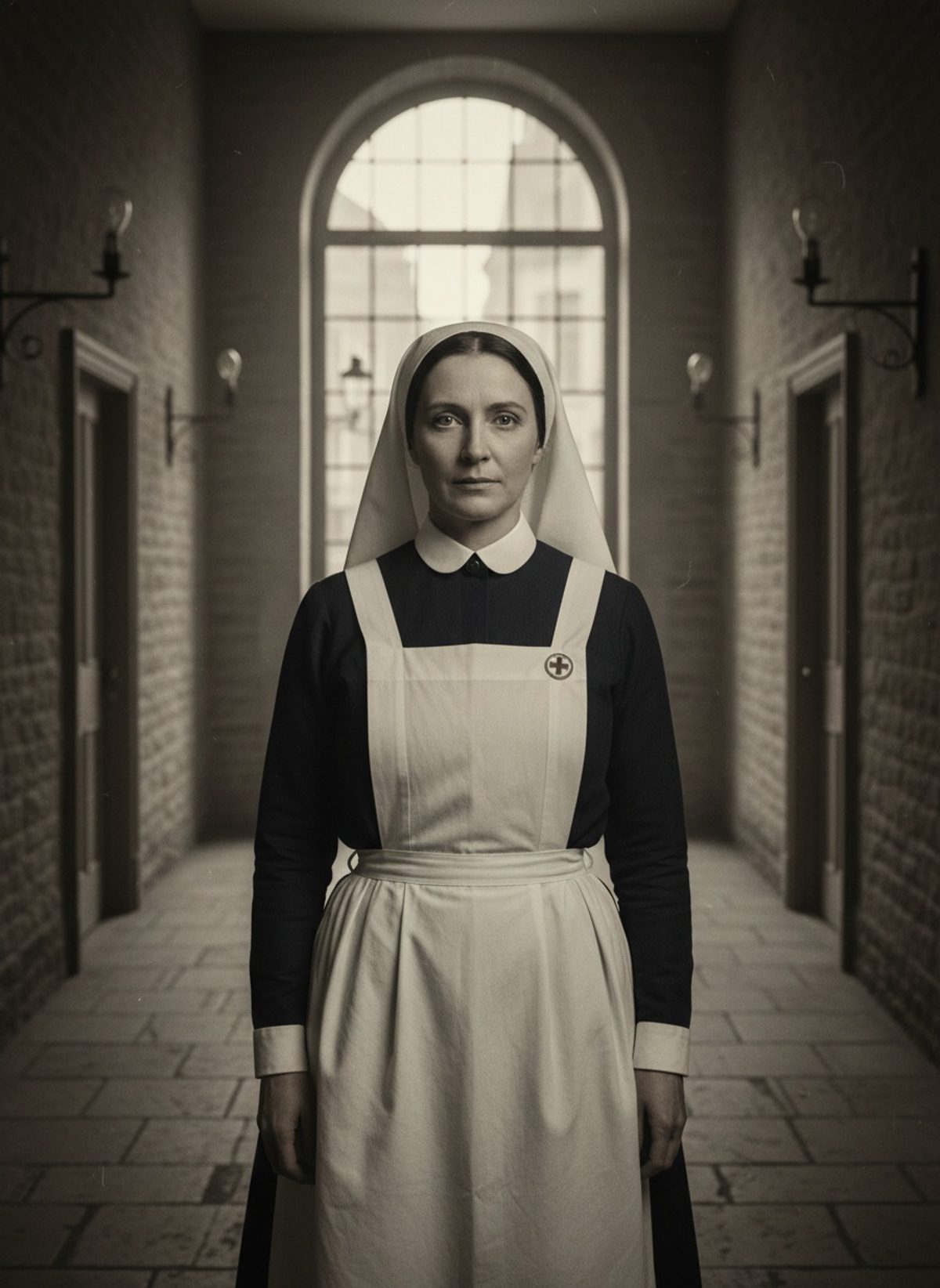
October 12, 1915. A chill hung in the early morning air as the cobblestones remained slick with dew in occupied Brussels. Somewhere in the city, a solitary British nurse named Edith Cavell prepared to meet her fate with a quiet dignity that continues to echo through history today.
The Calm Before the Storm: Occupied Brussels
Brussels, under German occupation during World War I, was a city on constant edge, its streets filled with the clipped echo of military boots. But amongst the oppression and fear lived a spirit of bravery.
Edith Cavell, a British nurse working in the city, had become a beacon of resilience amid the chaos. As a matron at the Berkendael Medical Institute, she extended her healing hands far beyond the walls of her hospital, choosing to defy the very forces that controlled the city.
Cavell's means were simple but effective. She exploited her position to assist over 200 Allied soldiers in escaping the German claws, guiding them towards the relative safety of neutral Netherlands. It was a perilous endeavor, not just because of the duplicity involved, but because of the certainty of severe personal consequences if discovered. And discover they did.
Read next: The Railway That Carried a Nation's War to Victory
Arrest and the Weapon of Truth
When Cavell was arrested by the German authorities, she faced charges with potentially deadly consequences. Yet, unlike many under similar circumstances, Cavell made a remarkable choice. She did not weave a web of denials, nor did she play the victim or beg for clemency. Instead, she wielded the truth as her only defense.
This forthrightness shocked her interrogators. In the face of overwhelming pressure, Edith Cavell stood firmly in her convictions, openly admitting her actions. This choice was singular—deciding on the path of truth meant embracing the full wrath of German military law. She did this knowing well the cost, embodying a rare blend of courage and honesty.
The Trial and the Unyielding Spirit
The trial was swift and decisive. With her own admission functioning as the keystone of prosecution, a guilty verdict was assured. The trial epitomized the harsh justice of wartime—a reality Cavell had prepared herself for. Her steadfast composure underscored the proceedings, a quiet reminder to everyone in that courtroom that bravery can take many forms. No plea, no protest—only quiet acceptance.
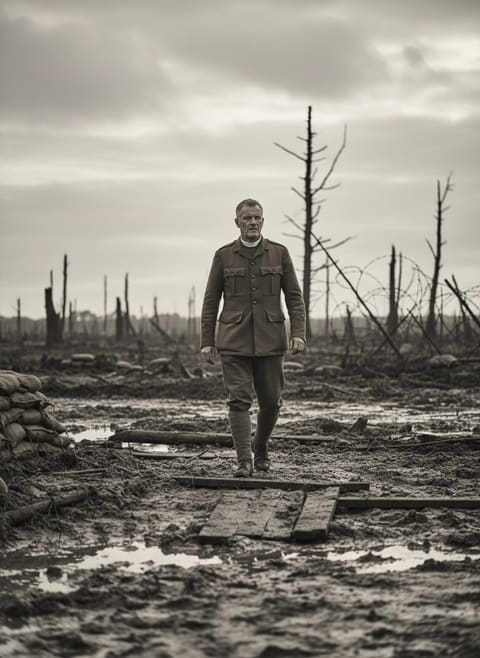
In the days leading up to her execution, some hoped for a diplomatic intervention. Cavell herself, however, seemed to embrace whatever the world would throw her way. “Patriotism is not enough,” she famously reminded her visiting Anglican chaplain John Griffith, emphasizing her deep empathy for all those touched by the ravages of war.
Read next: The Last British Soldier Killed Before the Guns Fell Silent
The Final Walk: Legacy of a Martyr
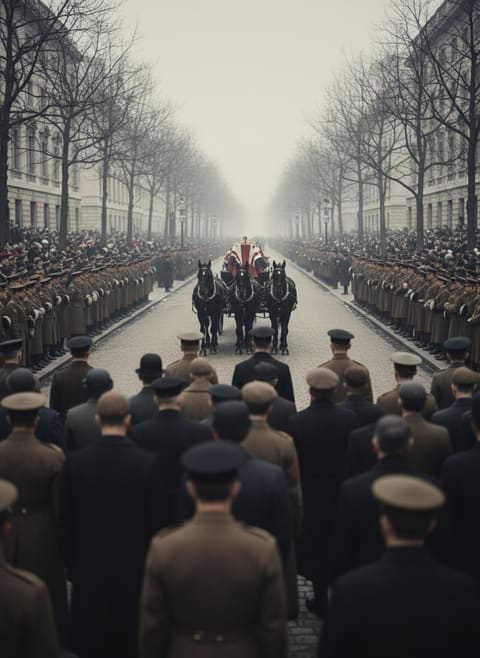
In the quiet hours of October 12, 1915, as dawn crept over the city, Edith Cavell faced a German firing squad. She met her end with a serenity that contrasted starkly with the violence of the act. Her execution sent shockwaves far beyond the confines of Brussels. Across enemy lines, it provoked international outrage, casting a harsh light on the wartime actions of the occupiers.
Immediately after her death, Edith Cavell was heralded as a martyr. Her story was used to galvanize recruitment and service efforts during the remainder of the war. Yet, her narrative is more nuanced than that of a simple war hero—a tale of human decency prevailing against the backdrop of war-time brutality.
A Legacy of Humanity and Courage
The haunting memory of Edith Cavell's final moments reminds us of the complexities of war and the cost of integrity. Her legacy is more than just her actions; it’s the idea that principle must always triumph over expediency. At a time when war tends to crush the human spirit, hers stood defiantly unbowed.
In our times, Cavell’s story continues to resonate—not as a relic of the past, but a vibrant reminder of unswerving courage and unwavering commitment to humanity. It forces us to confront questions about morality in the face of authoritarianism. When confronted with the stories of great individuals like Edith Cavell, we're reminded that even amidst the darkest of days, the light of bravery and moral conviction can forever illuminate the path forward.