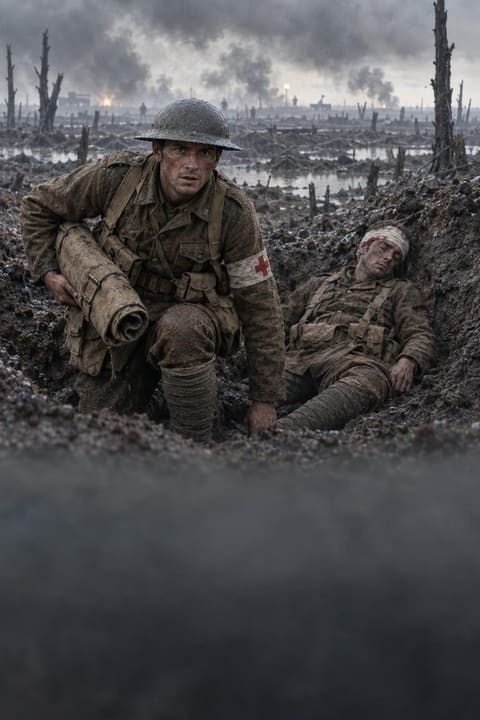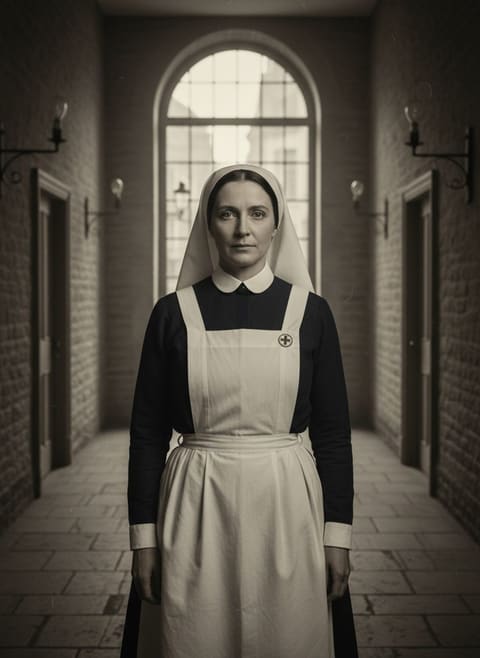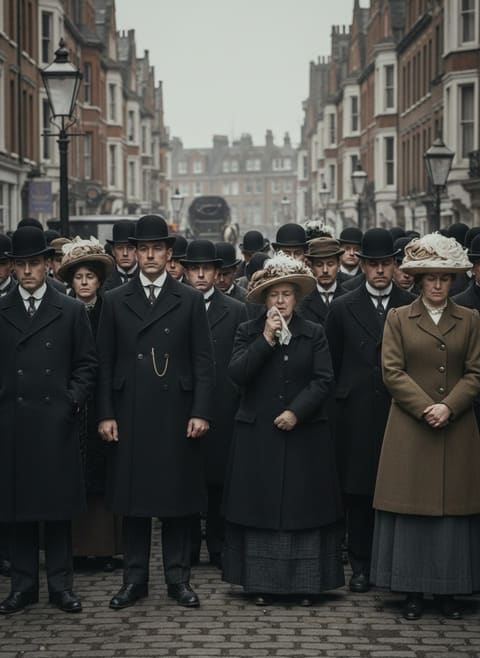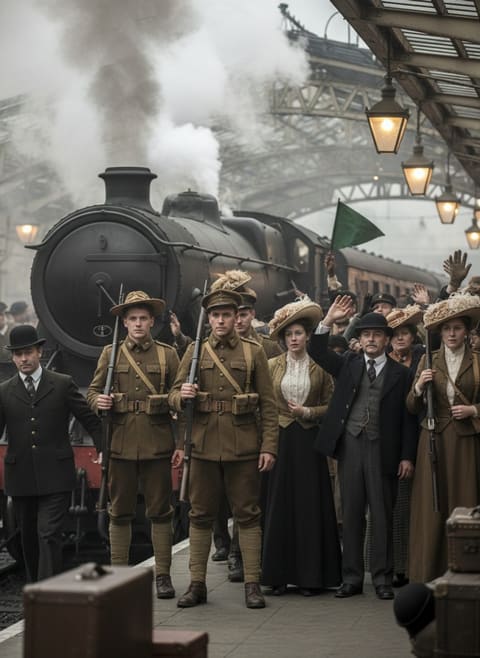
Winter 1916. The Somme was a wasteland of wire and mud, shattered under relentless shellfire and stained by relentless rain. In the depths of night, as the world held its breath, one man dared to walk through the iron and flame into No Man's Land, carrying hope and comfort where neither seemed possible.
The Lantern's Glow Amidst Darkness
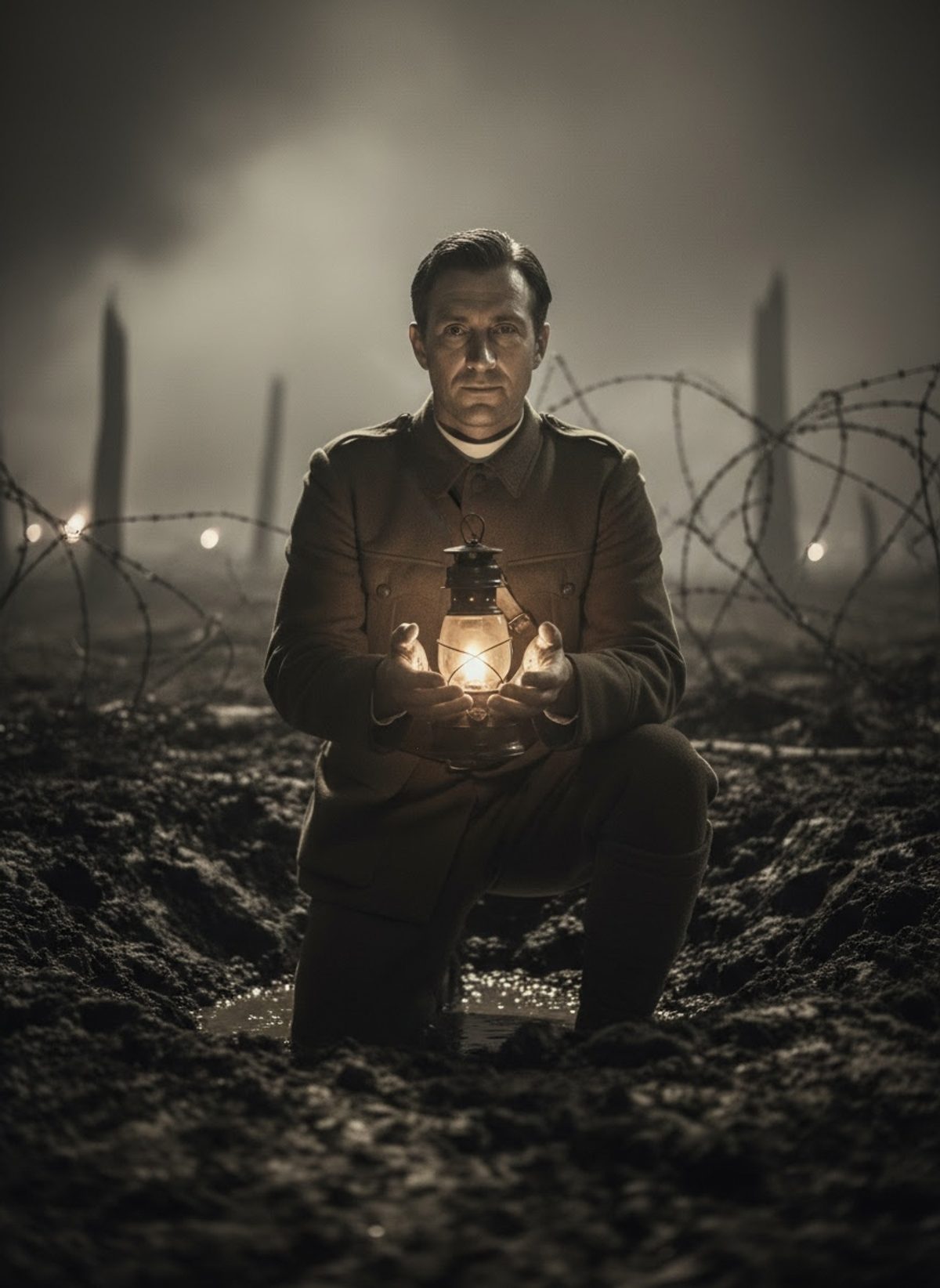
Every night, Geoffrey Studdert Kennedy stepped out from the relative safety of the trenches, clutching a lantern that cut through the dark like a solitary star. The soldiers who watched him from among the shadows named him “Woodbine Willie” after the cigarettes he carried. Smoking was a small comfort for men who faced the abyss, and Kennedy knew those small comforts mattered.
As rain turned earth to quagmire, the front lines transformed into a morass that might swallow a man whole. Despite the deadly threat and bitter cold, Kennedy ventured forward without hesitation. Armed with faith and a deep-seated compassion, he braved the night to reach out to those who clung to life amidst the carnage.
A Shepherd in No Man's Land
Kennedy's mission was singular. No weapon accompanied him, nor escort flanked his side. His was a different battle, one not waged with bullets or bayonets but with solace. Wounded men, left behind by the day's violence, lay scattered in the mud. For them, Kennedy was salvation. With every helpless groan, he hurried, a beacon leading him to suffering he could soothe.
Read next: The Tunnellers Who Blew a Ridge Sky-High at Messines, 1917
“Come unto me,” he would whisper, kneeling in the mud beside a soldier crying out in despair. With a gentle word or a quiet prayer, he steadied the hands of men on the brink, guiding them to peace, be it in life or at the edge of this one.
A Cigarette and a Prayer
In the pockets of his ragged coat, Woodbine Willie carried two currencies: his cigarettes and his conviction. The cigarettes were rolled promises of reminiscence for men longing for home. A puff of smoke, in Kennedy's hands, became a ribbon tying the front to their faraway lives.
As for his prayers, they were softly spoken reassurances, a bridge to the divine for souls weary from the burden of their own mortality. It was said that Kennedy would speak to the living and the dying as one, offering each the same unfaltering compassion.
The Man Behind the Faith
Geoffrey Studdert Kennedy, a vicar from Worcester, found himself at war not by choice but by necessity of spirit. Serving as a chaplain, he was no stranger to the sounds and sights of fields marred by war, yet his resolve never wavered. Known for his fiery sermons peppered with the voice of experience, he inspired not just thought but also action.
Read next: The Night a Welsh Surgeon Walked Into No Man's Land Alone
The nickname Woodbine Willie was a badge of honor, a reflection of his informal approach and the solace he brought with him. Through wind and rain, or under the pale moonlight of Flanders fields, he was a friend to those who otherwise had none.
A Legacy Etched in the Mud
Few men dared to question why Kennedy did what he did. Perhaps they were afraid to understand, or maybe they already did. For the men who encountered him, he was more saint than soldier, an embodiment of the humanity war sought so ruthlessly to erase.
Even decades later, whispered memories of a man and his cigarette offerings lingered like smoke in the trenches of history. Woodbine Willie's lantern might have extinguished, but its light shed an enduring glow on the power of compassion in the darkest of nights.
In a world scarred by conflict, his actions spoke of an empathy that transcended the brutality surrounding him. And beneath the Somme’s solemn sky, he walked, unarmed, through the heart of war—not merely as a padre, but as a beacon of unmatched courage and comfort.