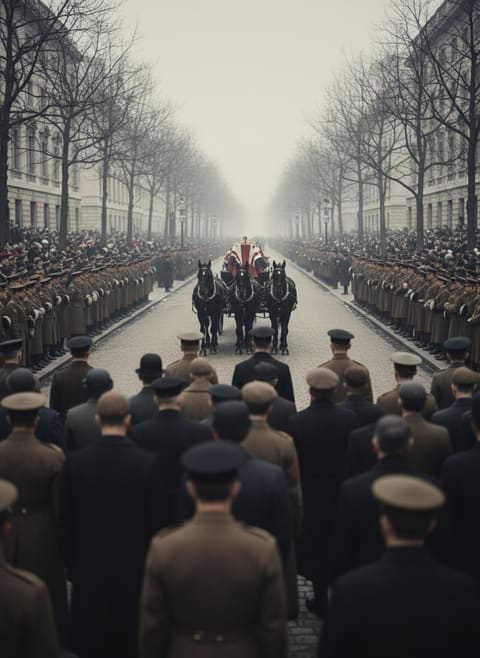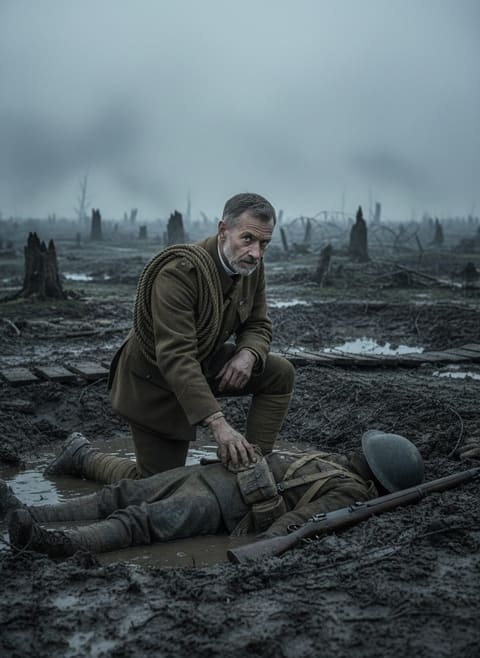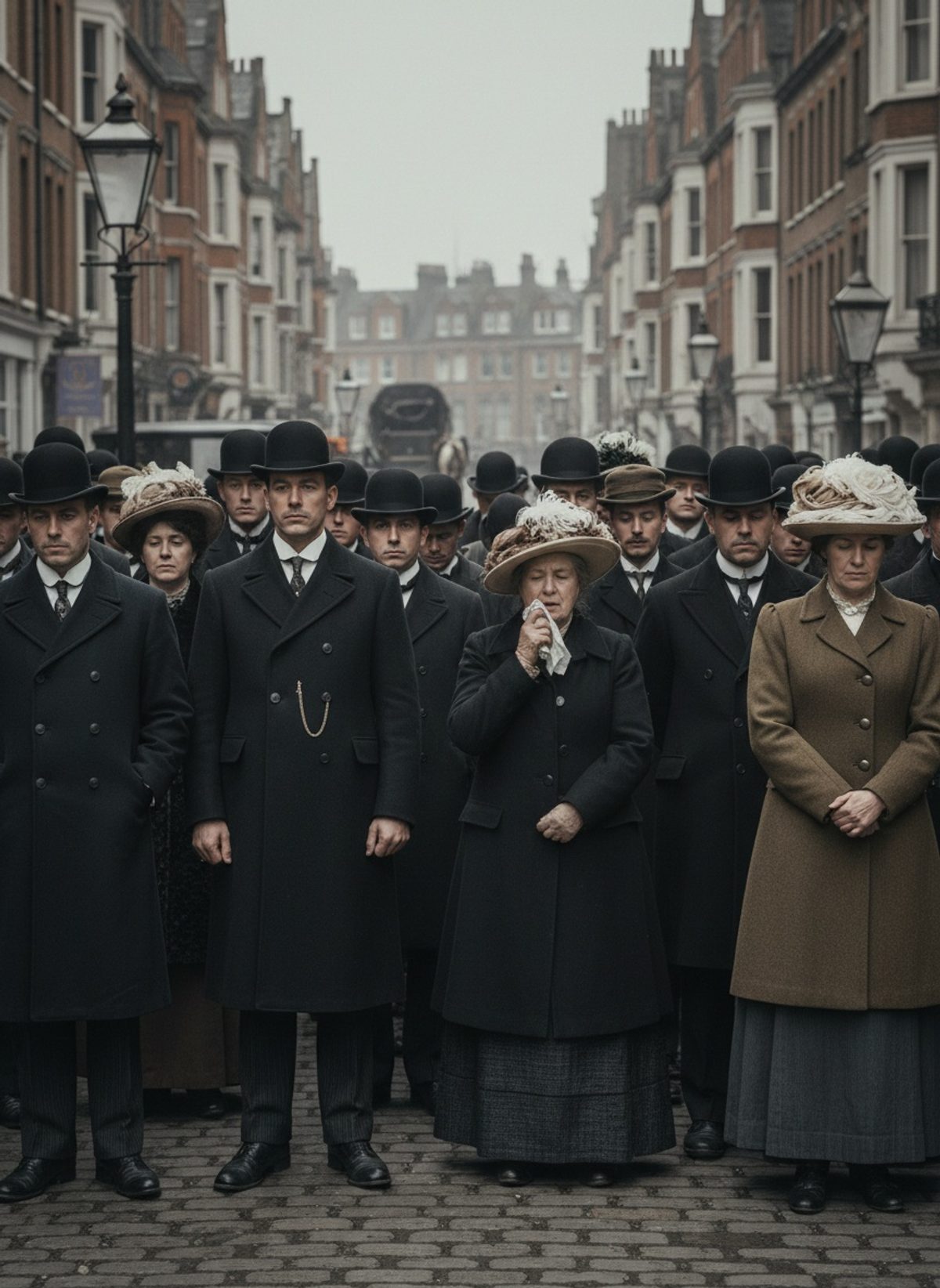
A shroud of mist clung to the cobbled streets of London on the morning of November 11, 1919. Busy thoroughfares, typically alive with the noise of horses' hooves and the chatter of city dwellers, found themselves eerily quiet beneath the overcast sky. This day marked a profound transformation in the aftershocks of the Great War, a sorrowful anniversary now marked by two minutes of profound silence that extended across an empire still rebuilding and remembering.
The Letter That Echoed Across an Empire
The inception of this silent remembrance can be traced back to an intimate moment of personal grief, penned in a humble letter by Percy Fitzpatrick. A South African journalist turned soldier during the Great War, Fitzpatrick experienced the piercing loss of his son amidst the brutalities of the battlefield. Grappling with this sorrow, he wrote not just for himself, but for thousands of grieving families across the British Empire.
It was this letter, sent to King George V, which contained a simple yet profound request. Fitzpatrick proposed that the nation pause entirely for two uninterrupted minutes each year on the anniversary of the Armistice. There, in the silence, he envisioned a powerful act of collective mourning, a shared moment to honor those who never returned and those indelibly changed.
The King's Endorsement
The idea captured the monarch's heart. King George V, deeply moved by Fitzpatrick's suggestion, chose to formalize this silent tribute. The King’s endorsement transformed a personal plea into a national mandate. In messages circulated nationwide, he urged citizens to cease all activity for two minutes at the eleventh hour on the eleventh day of November. It was to be a period of reflection on the sacrifice and heroism etched into the memories of so many households.
Read next: The Last British Soldier Killed Before the Guns Fell Silent
This marked the first time an entire nation voluntarily halted its daily rhythm in unison. Churches sounded their bells, signaling the start and end of the silence, weaving a poignant thread of connection from bustling city centers to the solitary quiet of the countryside. Even factories, usually thrumming with industry, fell silent, as people across classes and communities acknowledged the weight of remembrance.
The Resonance of Silence
The effect was immediate and overwhelming. Imposed by no law, this simple act became a powerful force that swept through the nation like a wave of quietude. Workers ceased their labors, conversations halted abruptly, and soldiers in distant garrisons cast their eyes downward in respect. During those two minutes, time itself seemed to still, allowing the depth of collective memory to settle in the hearts of millions.
This silence reflected a unique and palpable bereavement. It crossed borders, reaching into every corner of the British Empire where the sun hardly set. From the bustling lanes of Bombay to the windswept hills of New Zealand, this moment of stillness unified diverse peoples under a common cause of remembrance. It was not merely the absence of sound, but the presence of shared grief and respect that reverberated globally.
Beyond its emotional resonance, the silence became a vessel of education and reflection. Year after year, as children joined their parents in this national act, they absorbed stories of valor and loss, tales that textbooks often fail to fully encapsulate. Within this silence, history breathed—reminding each generation of the sacrifices that forged the freedoms they enjoyed.
Read next: The Day the Whole of Britain Stood Still for Two Minutes
The Power of a Moment
As the end of the first observance approached, the entirety of Britain emerged from the suspended moment, filled with a shared sense of solemnity and healing. The act of standing still, a rare collective pause in an era of ceaseless motion, imbued the day with a sense of unity and resolve.
What began as one man’s desperate urge to tether personal sorrow to communal memory had burgeoned into a tradition woven into the fabric of British life. This letter, born of a father’s grief, instigated the most powerful act of remembrance the modern world had known, a ritual of silence that defied the boundaries of language, culture, and politics.
In the decades following, the two-minute silence endured the winds of change, held steadfast against the onslaught of wars, the collapse of empires, and the rise of technology. It demonstrated the profound capacity of a mere moment to bridge the gap between the cacophony of daily life and the eternal whispers of the past.
This story of a single, mournful letter turned national tradition underscores a timeless truth: in the silence, we find our history's most eloquent narrators, as profound remembrance echoes quietly in our hearts, shaping the memory of loss into the blueprint for peace.