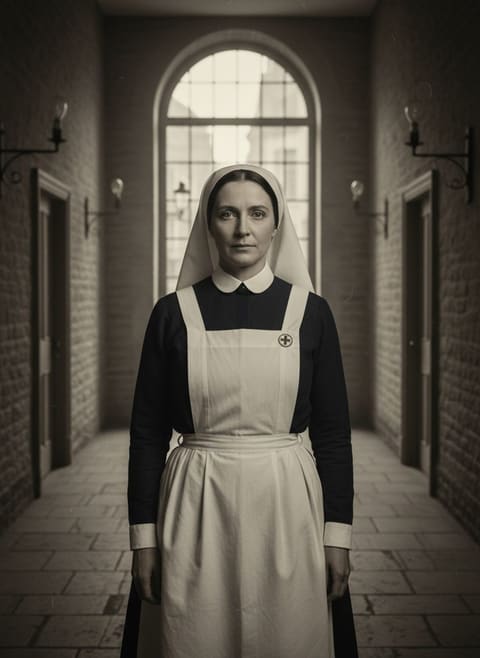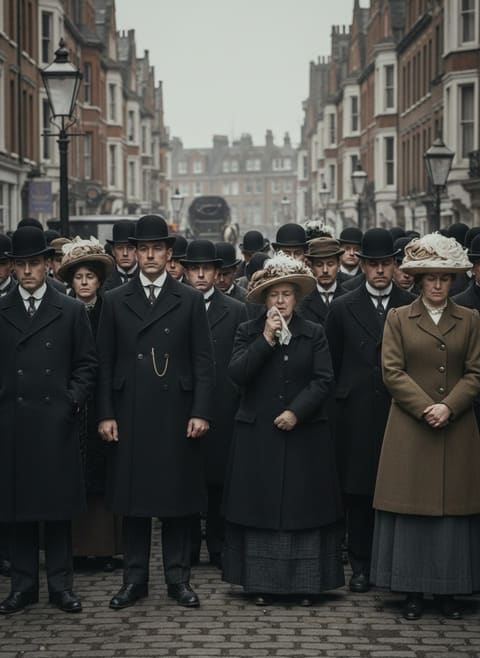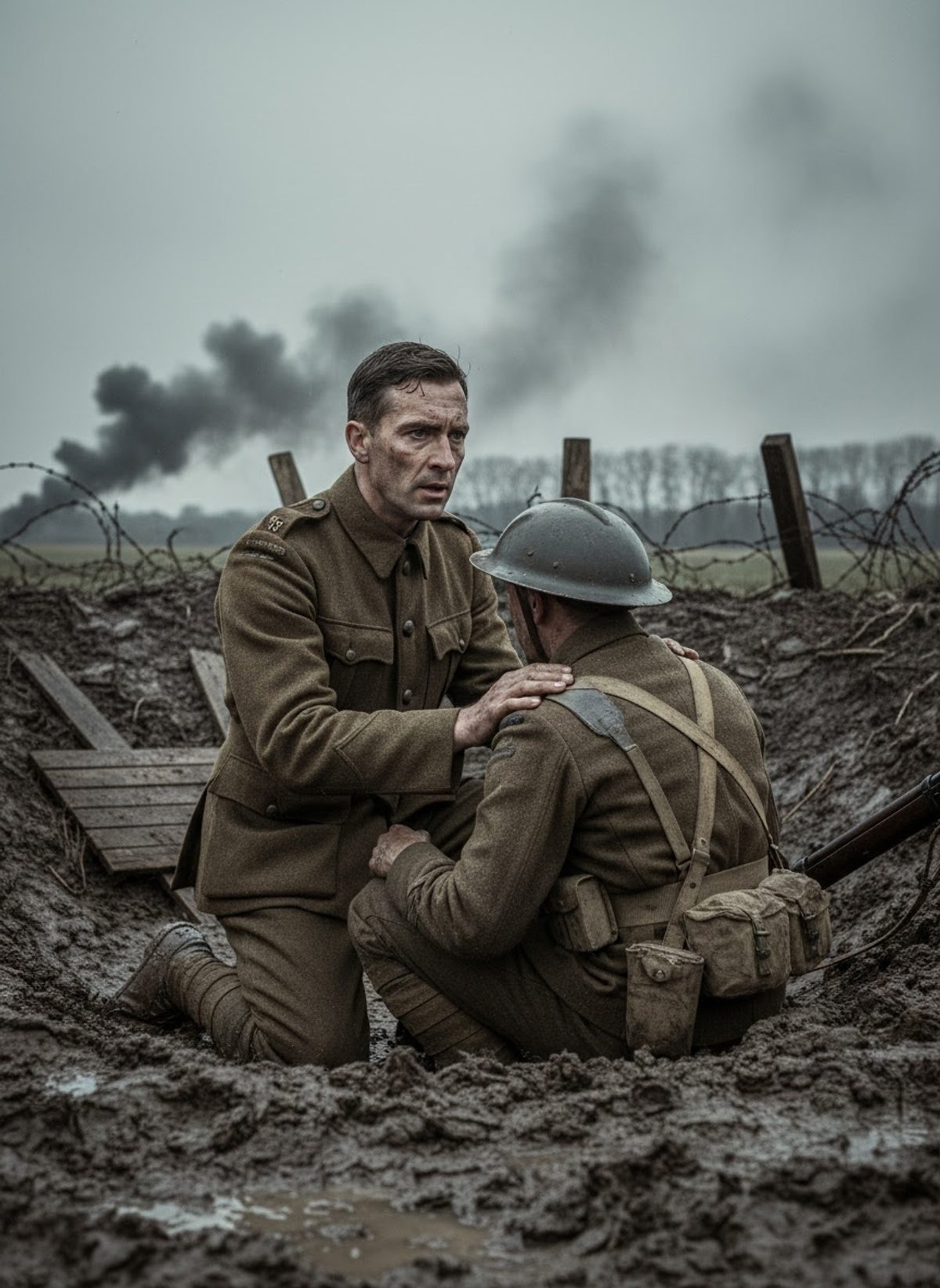
It's difficult to imagine a priest on a battlefield. Yet, there in the mud of Passchendaele, Father Willie Doyle defied the imagination.
The Unseen Soldier
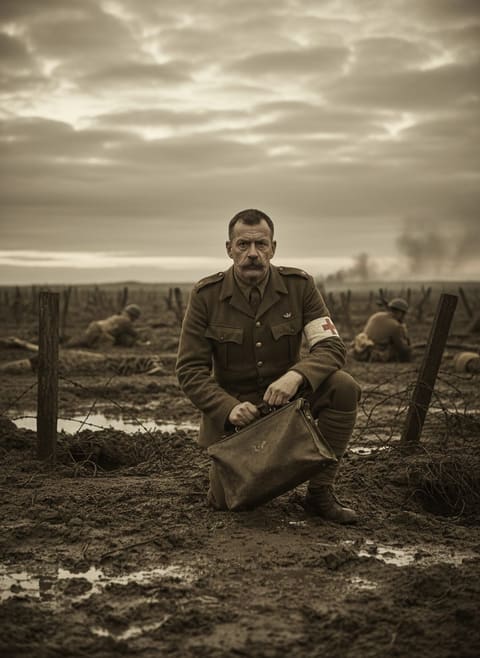
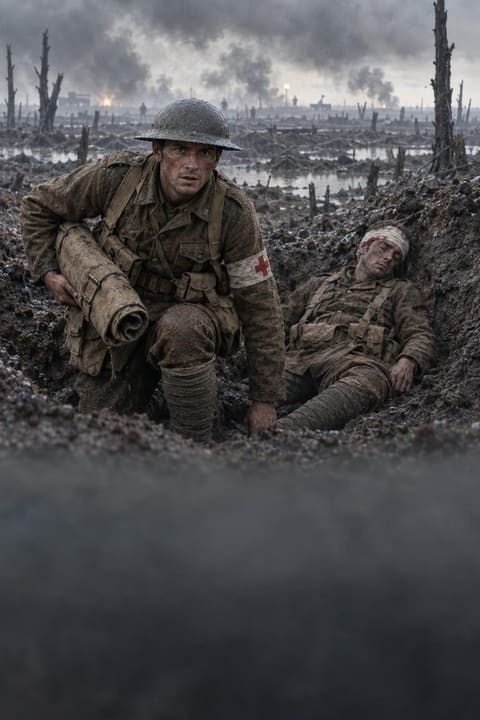
October 1917. The Third Battle of Ypres, better known as Passchendaele, raged with unrelenting ferocity. The mud was an enemy of its own, consuming men whole, their lives swallowed by the muck more efficiently than any bullet. In these dire conditions, soldiers often measured the day not by strategic gains, but by survival itself.
In the midst of this human quagmire, Father Willie Doyle emerged, not with a rifle or dagger, but with oil for last rites and an indomitable spirit. His weapon was compassion; his battlefield, the shattered space between life and eternal peace.
The priest cut a curious figure as he darted from crater to crater, his vestments mixing with the torn, muddy uniforms of the men around him. Unlike the soldiers who counted on guns and grit to carry them through, Doyle's mission was spiritual salvation.
Read next: The Stretcher-Bearer Who Won the VC Without Firing a Shot
His actions soon became legend. Protestant and Catholic alike found comfort in his presence. It was said that when Father Doyle appeared, hope surged — not just the hope of survival, but the hope of one's sacrifices finding meaning.
What made Father Doyle particularly unique was his relentless dedication. When shells screamed overhead and guns fell silent only to reload, he moved forward. Men wrote home about him, risking exposure to snipers for the chance to see him perform his duties. Doyle's work was sacred yet lived out in the most ungodly of circumstances. Within the chaos, he provided peace, even if only for the fleeting moments in which he could offer a last blessing or a whispered prayer.
A Light in the Trenches
Passchendaele itself was a testament to the brutality of war — entire landscapes turned into desolate marshlands, dotted with the remains of trees and men alike. Yet amid this wasteland, Father Doyle’s presence on the battlefield brought an unexpected dignity. He remained a light, not drowned by the mud or overwhelmed by the horror of war. His legacy is built on his unwavering commitment to those who bled alongside him.
Those who survived the hellish landscape of Passchendaele often found solace in recounting tales of Father Doyle's bravery. These were not soldier's tales spun in the safety of the after-war, but recollections written in the immediate aftermath, filled with vivid details and raw emotion.
His ability to minister to the needs of the dying and wounded amidst such peril transformed him from a messenger of faith into a symbol of hope. Soldiers noted how he would rush past the front line to reach the fallen, heedless of the artillery fires that threatened him.
What stories fail to capture in full is the sheer will required to run towards the sounds of death while others were ordered to hold back. It wasn’t just duty that propelled him; there was something innately noble, perhaps even divine, about his fearless endeavors.
By the time the guns finally fell silent on Passchendaele, the stories of Willie Doyle were more than memory; they were something akin to mythology among those who owed their lives or peace of mind to his bravery.
Read next: The Padre Who Walked Into No Man's Land Every Night
Why We Remember
Father Willie Doyle was more than a man of the cloth. He stood, quite literally, between life and death, embodying a courage that transcends the battlefield. He was ultimately killed doing what he believed was his calling — comforting the men in their most despairing moments, often at the peril of his own life. The silence of his absence was felt acutely in moments when solace was most needed.
Men who survived the war and returned to their families carried with them not just stories of the battles, but tales of a man who seemed inhumanly brave. Protestant and Catholic letters home would describe the selflessness of an Irish priest they called their own. These narratives filled homes with not just sorrow but also pride and a sense of shared humanity.
In many ways, Father Doyle represents an ideal of war often forgotten amidst tactics and victories. His story matters not only as a testament to bravery but as a potent reminder of the depth of human sacrifice and compassion. His deeds, glimpsed through letters and fire-lit faces, remind us that even in the depths of despair, there can exist acts of profound grace.
The lessons of Father Doyle whisper through history, echoing far beyond the silent graves of Passchendaele. Through tales like his, we remember that in the extremity of war, humanity is often at its fiercest and most noble. He may have been a chaplain, but to those he served, he was the visible promise of hope untamed by fear.