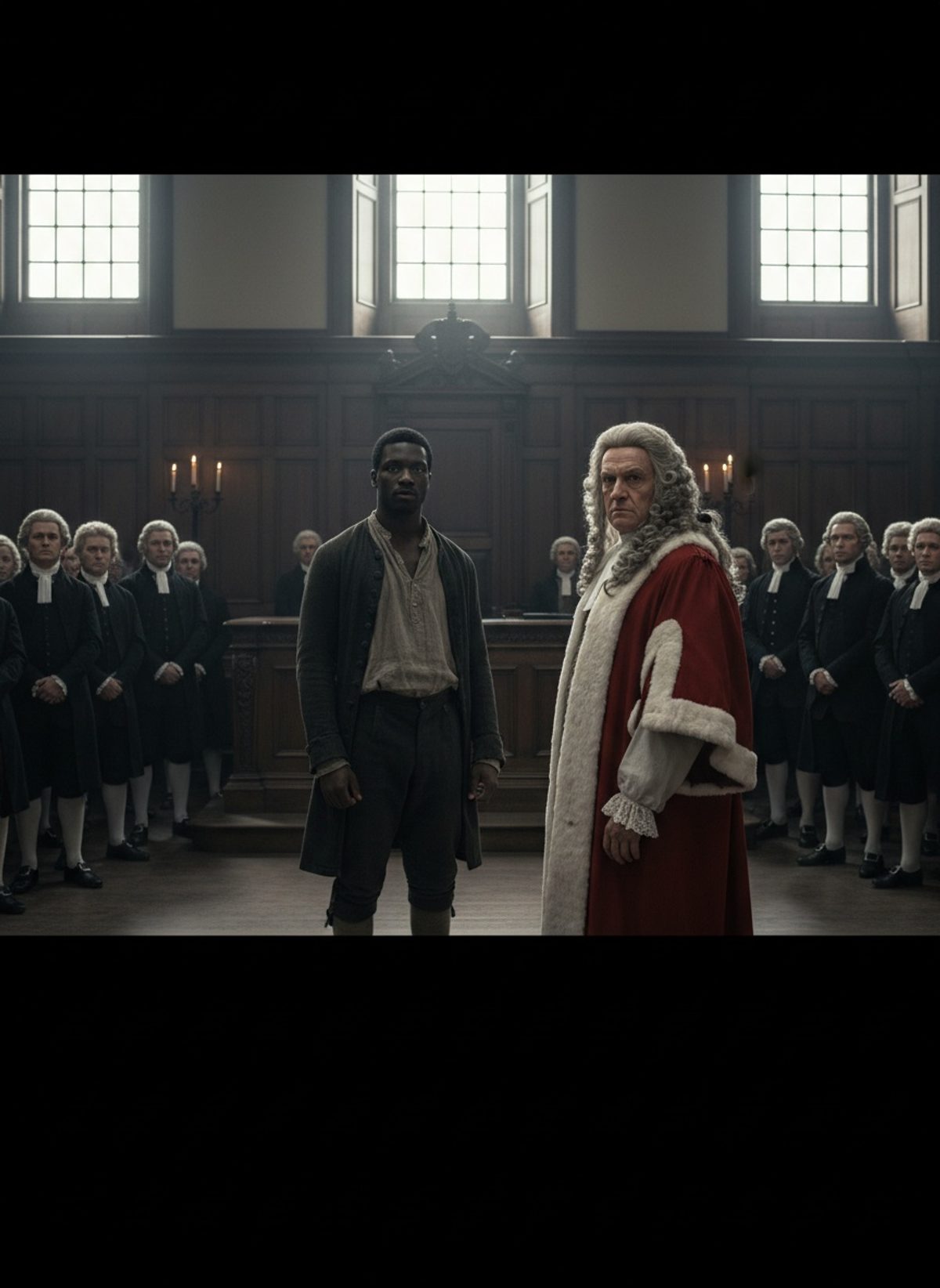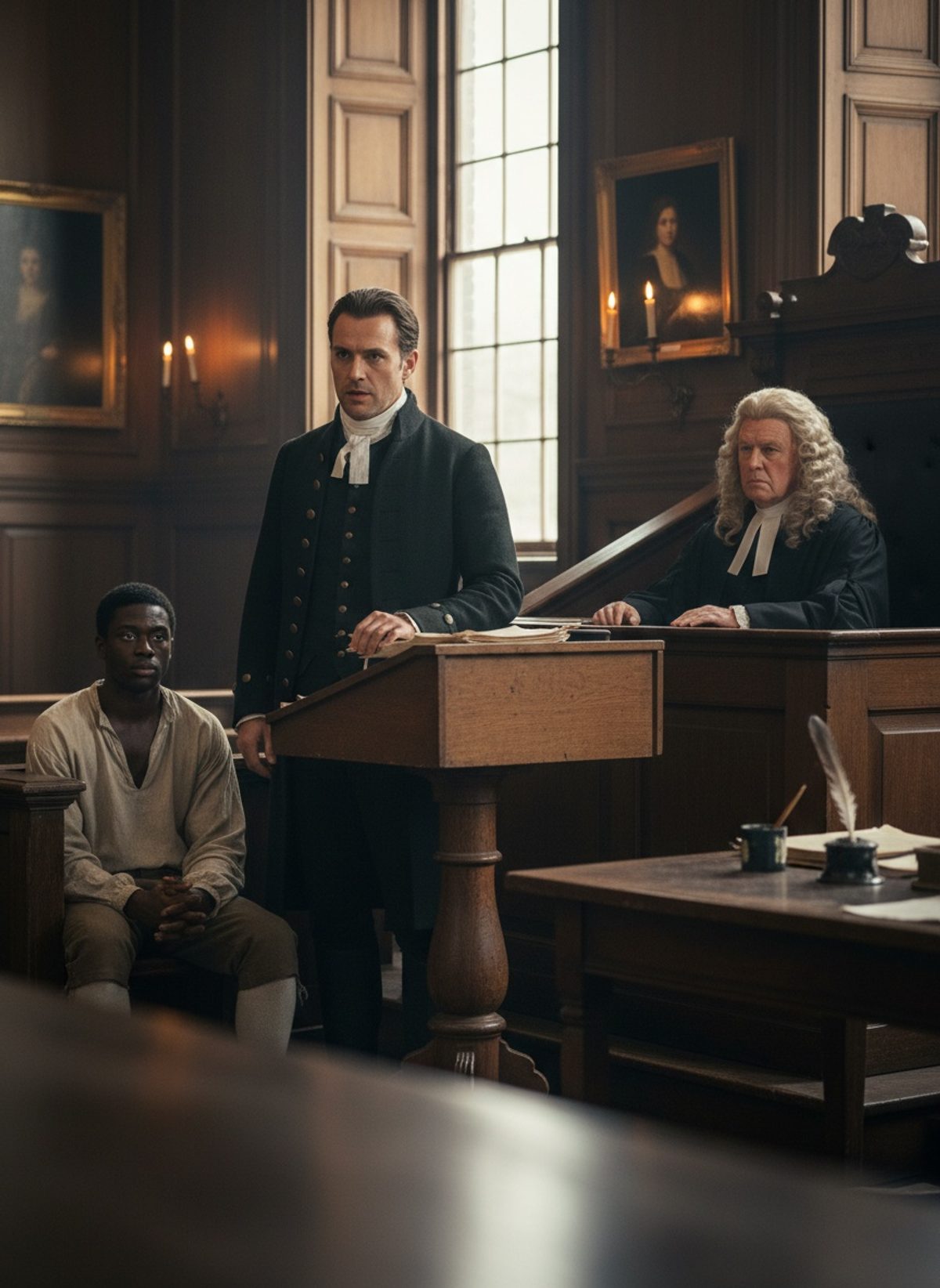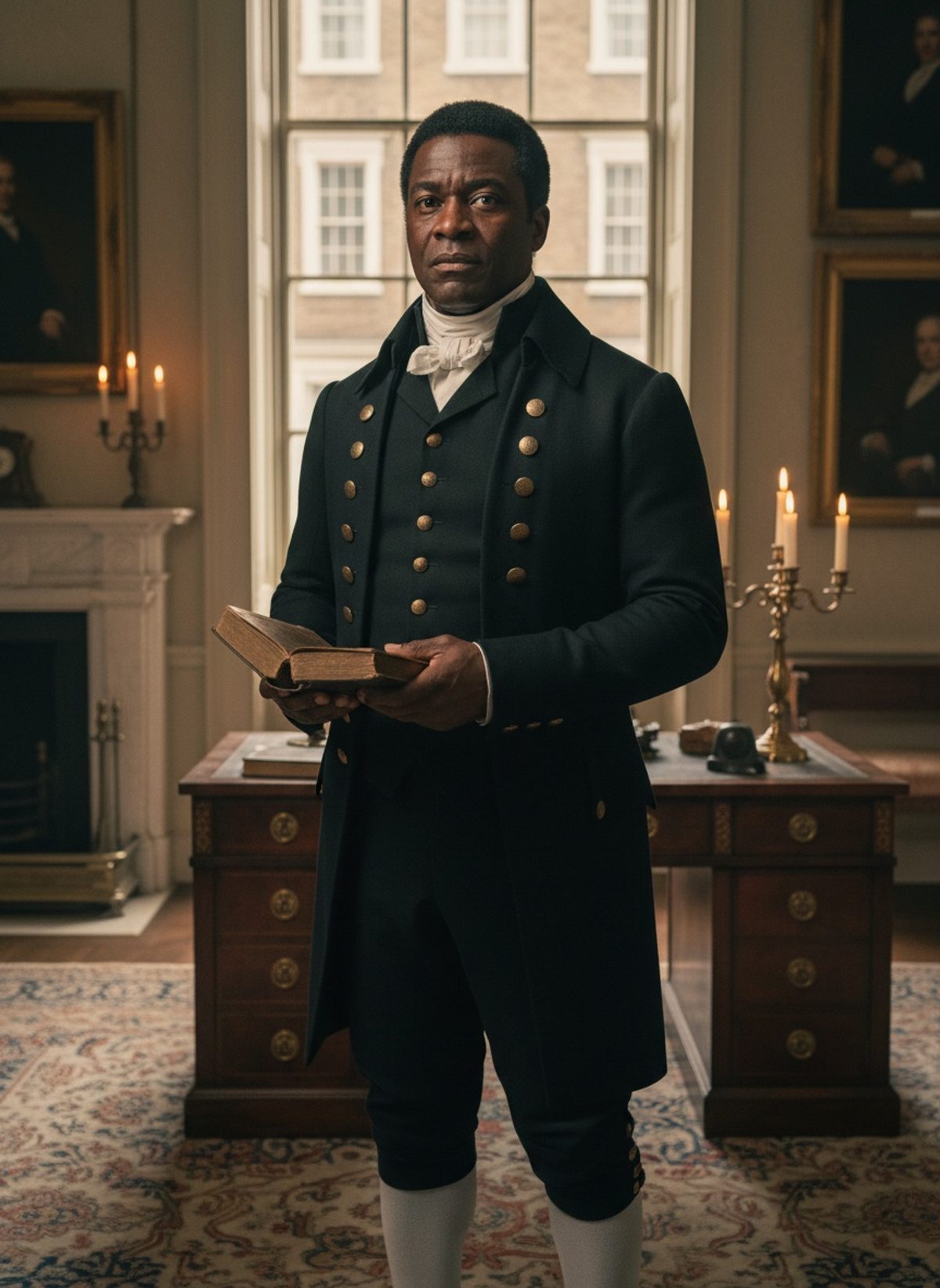
Olaudah Equiano wasn't meant to be a free man. But history doesn't always follow its script.
Into the Lion’s Den
London in 1788 was a city of contrasts—wealth and opulence gleamed in its heart while cruelty and chaos simmered beneath. It was into these bustling streets that Olaudah Equiano, a man whose life's journey read like a tale too fantastic for fiction, stepped with purpose. He was not a stranger to the whims of fate. Torn from his African homeland as a child, he was thrust into the grim world of Atlantic slavery. He learned to navigate the treacherous waters aboard slaver ships, witnessed humanity’s darkest sides, and yet, he emerged not just alive but driven.
The air that February day in Parliament buzzed with tension. Just steps away from where British politicians debated the morality and economics of the transatlantic slave trade, Equiano—now a free man—clutched his strongest weapon: his memoir. In 1789, a year after this pivotal meeting, he would publish the Interesting Narrative of the Life of Olaudah Equiano, instantly giving a voice to the voiceless. This self-penned narrative wasn't just his story; it was a searing indictment of the inhumanity underpinning the very society those statesmen represented.
This was an era when Parliament housed some of the wealthiest and most powerful individuals, whose fortunes were often intertwined with the very trade Equiano denounced. And here stood Equiano, a figure who challenged their norms simply by existing. His presence in those rooms was radical—a tangible reminder of the humanity their discussions too often ignored. The book he presented them was not just a collection of personal recollections; it was a strategic piece meant to unsettle the comfortable. With each page, he breathed life into the grim realities that otherwise existed only as numbers or abstract ethical debates.
Read next: The Day Britain Signed Away Thirteen Colonies in Paris
Equiano's appearance was not merely symbolic. It marked a calculated stride onto the stage of British politics and society, his eloquent criticisms reaching ears which could—if they dared—rewrite history. As a free man navigating the heart of Georgian Britain, Equiano used his story not as a shield but as a spear, piercing the hard hearts of those who might have preferred to look away.
A Pen as Mighty as a Sword
Equiano’s narrative did more than recount harrowing tales of enslavement and survival; it was a manifesto for change. His book meticulously detailed the cruelties inherent in the trade and argued passionately for its abolition. Equiano leveraged his story to unmask the trade's brutal truths, arguing that the enslaved Africans were not nameless commodities but human beings who experienced pain, loss, and hope.
His life had equipped him with unique insights. Although sold and resold across the globe, he gained education and a profound understanding of both African and European cultures. These experiences imbued his words with an authenticity that few could dispute, and his plea for abolition was rooted in undeniable truth. In an England grappling with its colonial identity, Equiano’s book illuminated a path towards moral integrity.
This was not merely the narrative of one man, but the voice of millions who had been silenced by chains and shackles. When Equiano spoke, he conjured images not of numbers and profits, but of lives that were butchered under the weight of the whip. Each copy of his narrative was a call to action, and as it circulated through the salons and scholarly spheres of London, it whispered uncomfortable truths into eager but often indifferent ears.
Reading Equiano’s words, those with the power to change the world began to question the structures they had long accepted. His book served as both a mirror and a hammer, reflecting society's evils and demanding they be shattered. For many, engaging with the narrative meant confronting the savage disparities that allowed such inhumanity to persist. Few could read Equiano’s account and remain unmoved, and this emotional jolt was precisely what the abolitionist movement needed.
The Ripple Effect in Still Waters
Equiano’s influence extended far beyond the pages of his book. The narrative’s success propelled him into a prominent role within the burgeoning abolitionist movement. With his depth of firsthand knowledge and the credibility of his harrowing experiences, Equiano became a sought-after speaker, sharing his story in towns and cities across Britain. Everywhere he went, he connected with audiences, turning them into allies, imploring them to join the crusade against slavery.
In 1807, nearly two decades after he had first thrust his narrative into the hands of powerful men, the British Parliament enacted the Abolition of the Slave Trade Act. Although this achievement was the culmination of efforts by many individuals and groups, Equiano’s narrative played a crucial part in shifting public opinion. His courage had pierced the façade of indifference, helping to crack a centuries-old institution.
His story resonates even today, echoing through the corridors of history with an unyielding call to remember and reflect. Equiano’s resilience and dedication remind us of the power of the individual voice to ignite profound societal change. His life challenges us to consider the value of human dignity against the machinery of oppression.
Olaudah Equiano’s walk into Parliament that day was more than a defiant stand; it was a step toward a world transformed, a reminder that even those cast into darkness can become bearers of light. History is richer when it recognizes its untold stories, for it is these narratives that teach us resilience and humanity. Equiano's life is a testament to the enduring fight for justice, a struggle that continues to this very day.