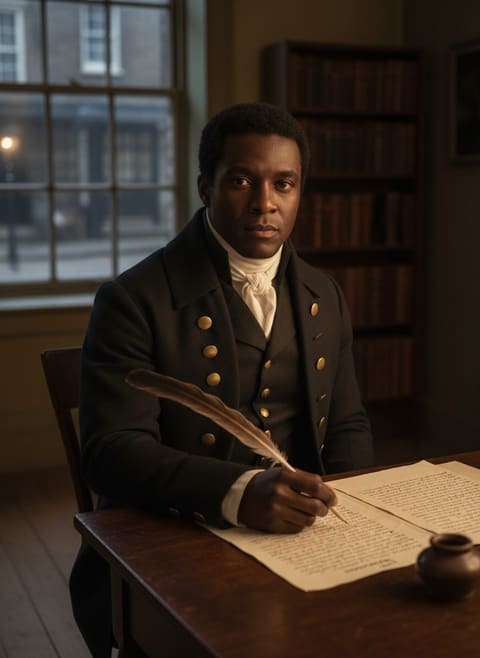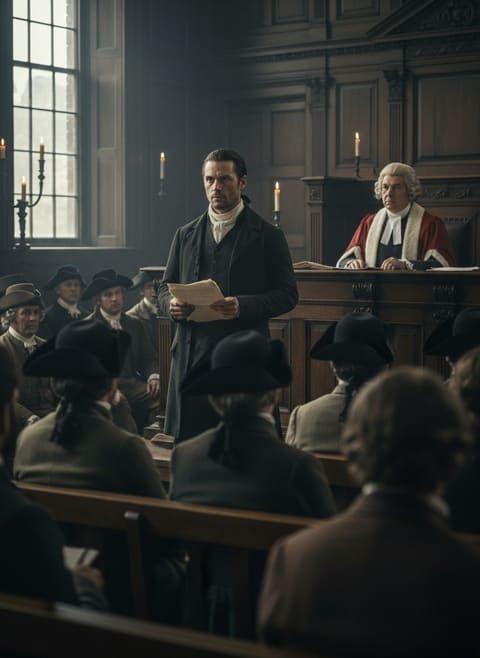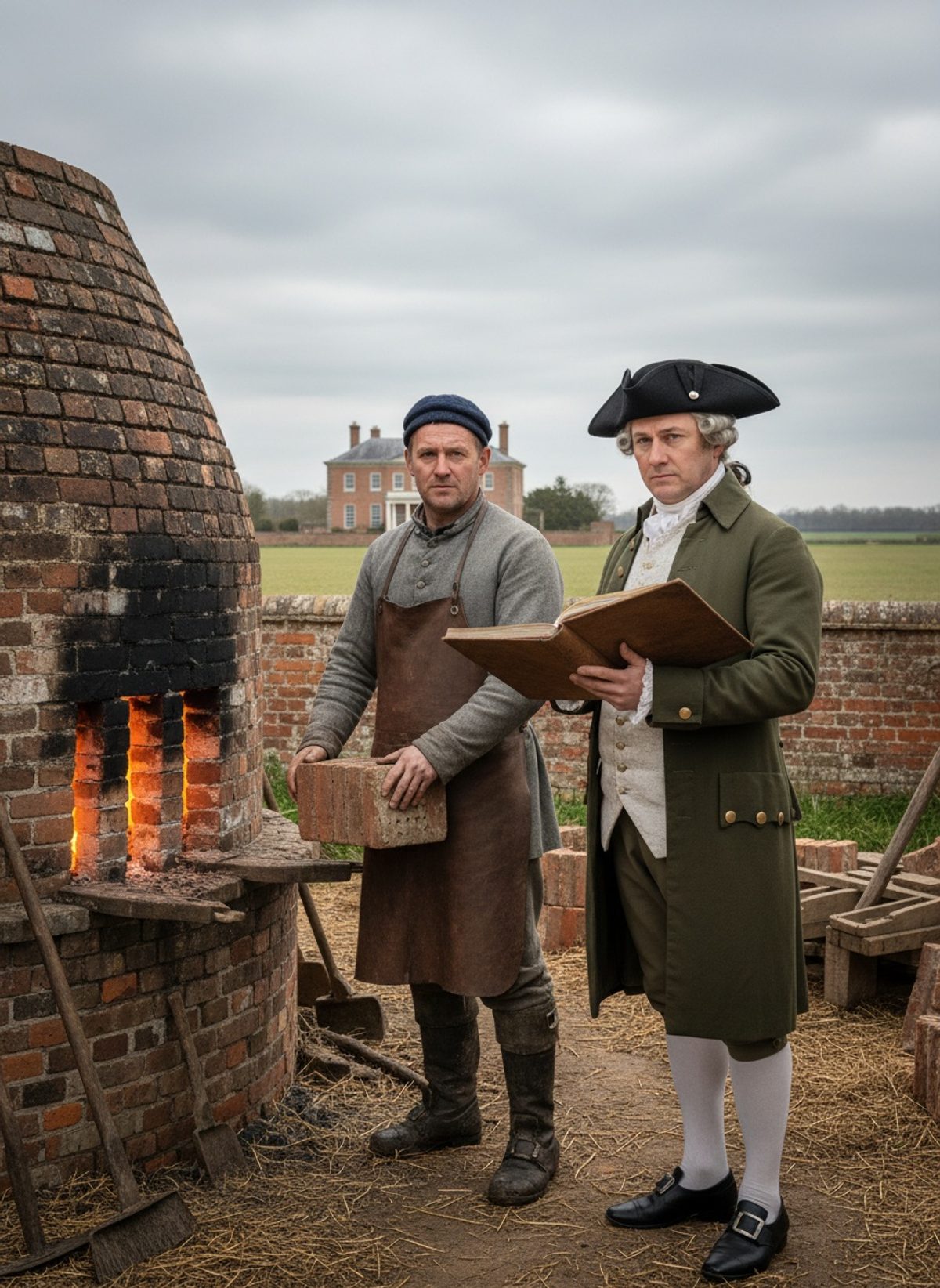
Few people know about the Brick Tax of 1784. Fewer still realize how dramatically it altered the English landscape.
The Birth of an Unlikely Tax
In 1784, William Pitt the Younger was on the hunt for funds. England was reeling under the financial strain of war, and Pitt needed a creative solution to fill the nation's coffers. The answer was ingenious and surprising: a tax on bricks.
It wasn’t merely a levy on construction but a calculated attempt to draw revenue from every red rectangle of clay baked in British kilns. Each individual brick was to carry the tax burden, transforming it from a simple building material into a symbol of fiscal policy.
This decision sent ripples far beyond Parliament. Builders, already grappling with tight budgets, found this new tax intolerable. They balked at the thought of soaring costs turning houses into luxuries, unaffordable to many. Yet, staunch ingenuity gave rise to a peculiar architectural era, paradoxically lush in its creativity yet constrained by economy.
Read next: The Day a Foundling Hospital Changed What Britain Owed Its Children
Reimagining Construction
The Brick Tax posed a significant challenge. Every time a builder laid bricks, they were reminded of the purse that was getting lighter with each additional piece. This led to a peculiar and unintended form of innovation.
By 1803, cunning builders found loopholes to avoid the new financial burden. They turned to timber, employing it more frequently in places they'd traditionally used brick. The use of timber, with its warmth and rustic charm, offered refreshingly different aesthetics to cities and towns.
Some, however, opted for an even simpler material: cob. Made from local clay, straw, and water, cob was inexpensive and easily sourced. With the mastery only locals knew, cob structures began to dot the countryside, their rounded edges and earth-toned hues softening the landscape. Builders prided themselves on the organic textures of cob; these structures seemed to emerge naturally from the ground itself, blending seamlessly with the greens and browns of rustic England.
The gravitation toward alternative materials was not just about saving money; it was about resistance. It was about finding creative freedom within strangling restrictions and reaping beauty from bureaucracy's constraints.
Mastery of the Unseen
But perhaps the most unique attempt to circumvent the tax came from those who decided to simply enlarge their bricks. By making each brick larger, builders could minimize the number required, thus reducing the total tax paid. The government's response was swift; in 1803, they capped brick size, putting an end to this architectural workaround.
Read next: The Day a Quaker Woman Walked Into Newgate and Shocked a Nation
Yet this didn’t stop the shrewd minds of the building trade. Interior walls, where government inspectors rarely tread, were sometimes constructed with irregularly shaped bricks or salvaged materials. The interiors of many homes became secret compositions of recycled matter, hidden beneath plaster and paper, parts of which historians still discover today. Alleyways and backstreets in cities like London and York are living museums, revealing faint echoes of this frugal rebellion.
Enduring Legacy
The Brick Tax was finally repealed in 1850, having lasted long enough to permanently alter England's architectural DNA. It’s a quiet yet telling chapter of resistance, ingenuity, and adaptation in the face of economic adversity.
Now, when meandering through thatched-roof villages or admiring the timber-framed facades of Georgian estates, one can trace these back to a tax that should have simply lined the state's pocket. Instead, it set in motion a series of adaptations that enriched the English countryside with diversity and charm.
So why does this story still matter? It reminds us that even the most mundane policy decisions can wield surprising influence over the world we live in. It speaks to humanity's endless capacity to innovate, adapt, and thrive under pressure. In the understated bricks, timber beams, and cob walls, lies a tale of quiet revolution and a lasting testament to the resilience of human creativity at its most intriguing.