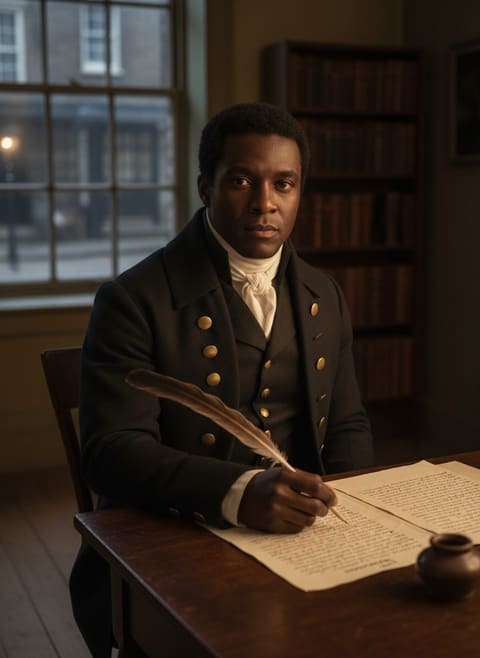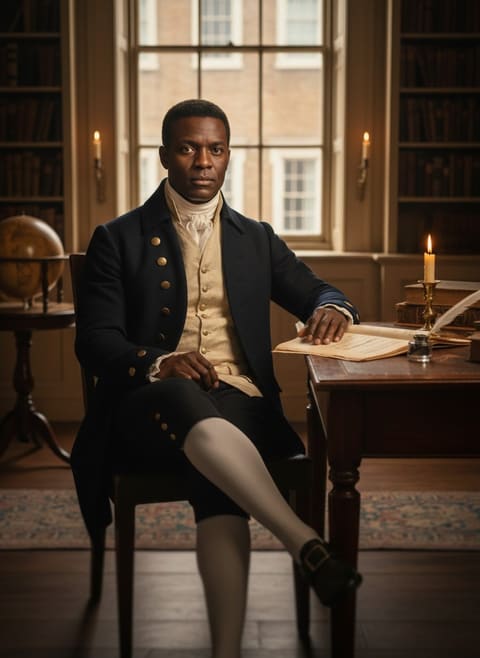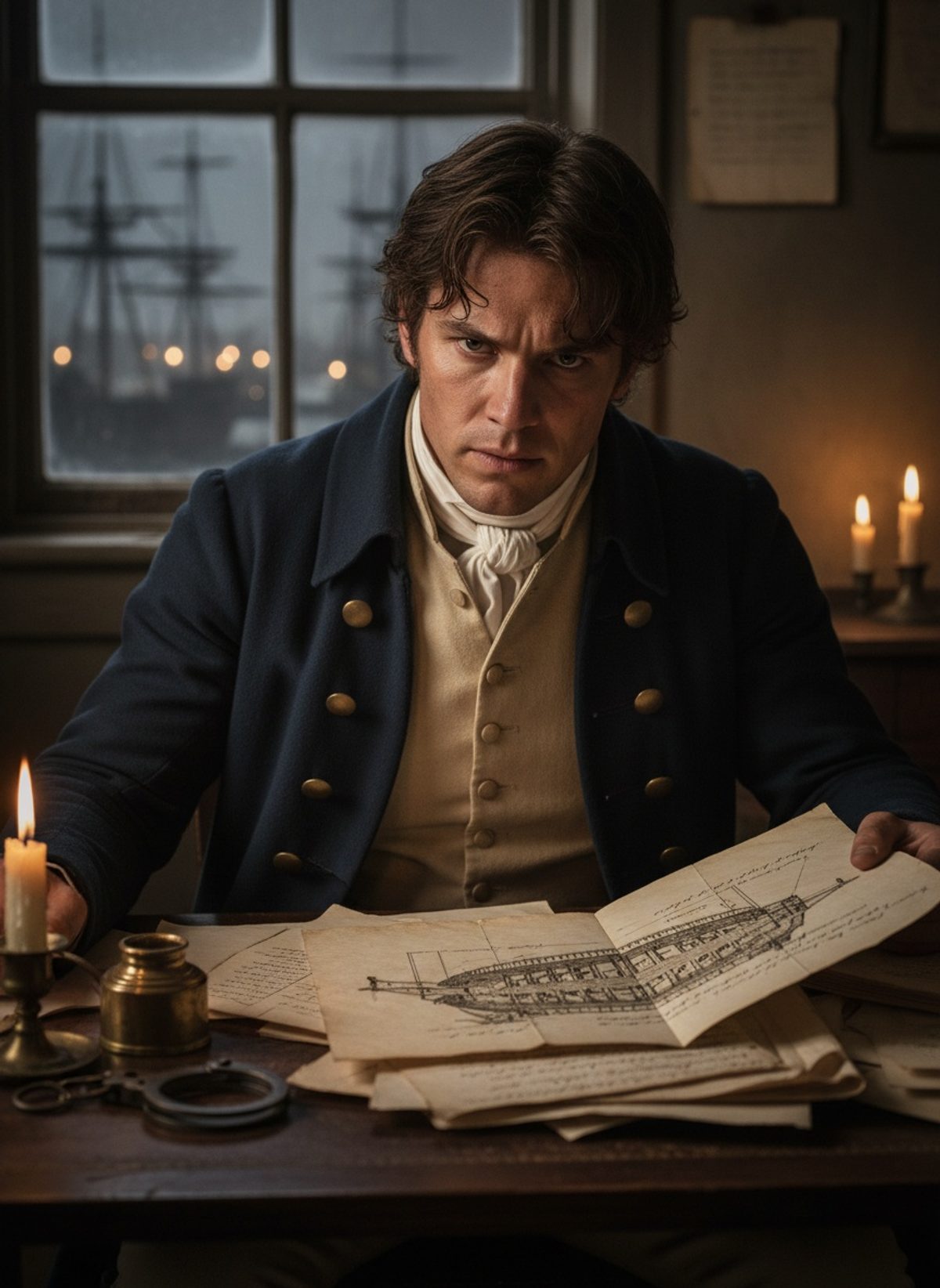
The ship swayed gently in the Bristol docks, and beneath the creaking timbers, the murmurs of humanity, some in chains, echoed in the salty air. Thomas Clarkson felt his heart pound against his ribcage. He was here, finally, amidst the perilous, palpable evidence of the inhumanity he had sworn to expose. The cold metal beneath his fingertips spoke volumes, yet the real harrowing tales lay dormant, waiting to break free from the whispers of those imprisoned within these floating warehouses.
The Spark That Ignited a Revolution
Thomas Clarkson’s journey into one of history's most profound moral campaigns began unexpectedly. In 1783, he sat amongst his peers at Cambridge, just another face in the crowd, until a lecture on the horrors of the transatlantic slave trade struck him like a thunderclap.
Suddenly, the world as he knew it shifted. Overnight, his dreams became haunted by the images of suffering painted in that class. These visions compelled him to take action, and a fiery determination took hold of him.
Sleepless nights followed, as did long pondering rides across the English countryside. Clarkson was a changed man, burdened with the harrowing tales his research uncovered. He knew he had to gather evidence that not only conveyed the gravity of slavery's atrocities but also kindled the righteous indignation of the British public. His mission was clear: to ignite the hearts of the unconvinced and shake the very foundations of Britain's complicity in this abhorrent trade.
Read next: The Hanoverian Deserter Who Nearly Broke Wellington at Assaye
The Gathering Storm
Clarkson’s journey took him from the academic cloisters of Cambridge to the grimy, bustling docks of Bristol and Liverpool. Here, amongst the salty tang of the sea, he found both allies and adversaries. His task was fraught with danger, for the sailors and merchants who lined the quays had their livelihoods tied up in this nefarious trade. Yet Clarkson was unyielding. With persistence and a moral compass that refused to waver, he extracted accounts from anyone willing—or sometimes unwilling—to speak.
The evidence he gathered painted a damning portrait: cargo holds crammed with human souls, shackled together in nightmarish conditions, their cries silenced by the rhythm of the relentless sea. With every testimony, Clarkson's archive of injustice grew, fueling his resolve. The threats he faced—of violence or worse—only steeled his determination. His courage on this perilous quest earned him not just an invaluable dossier of testimonies, but the beginnings of a movement.
Unyielding Will in the Face of Adversity
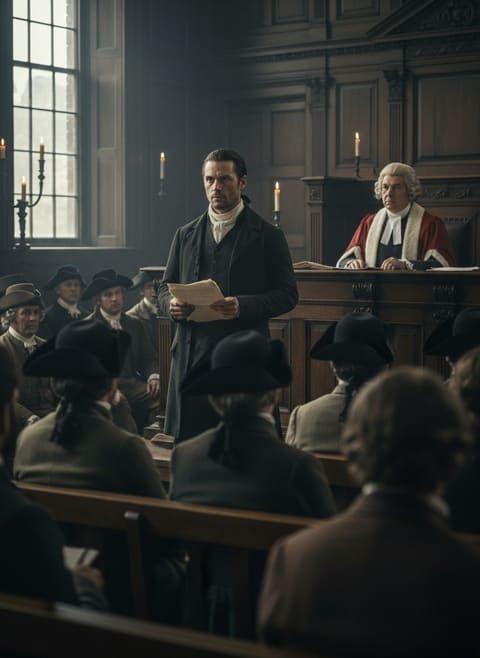
As Clarkson stood before Parliament, his voice carried the weight of untold stories and unseen faces. What unspooled before the lawmakers was an unvarnished account of the slave trade, stripped bare of the glossy veneer of economic necessity. Clarkson’s words were calculated and his delivery plain, but they packed the punch of a master orator. The evidence was damning, his arguments irrefutable.
This young Quaker merchant from the west of England had unexpectedly become a pivotal character in a story that would change the world. As each testimony rolled off his tongue, Parliament sat in rapt silence. Though his journey had been arduous, Clarkson knew these were only the opening shots of the campaign. His voice in the corridors of power was the beginning of the end for the trade that had stained Britain's moral conscience.
Read next: The Merchant Who Funded Slavery From a Bristol Counting House
A Legacy of Unlikely Heroes
The battle to abolish slavery was not won overnight; it was a protracted campaign that tested the mettle of every man and woman who fought for change. Yet Thomas Clarkson's unwavering resolve and tireless quest for justice became the beating heart of Britain's abolitionist movement. In the ensuing years, his name would become synonymous with courage and conviction, even if much of his story would remain untold in school textbooks, overshadowed by more prominent figures like William Wilberforce.
But, in essence, Clarkson was the embodiment of a truth that centuries have not extinguished: that a solitary voice, fueled by an unyielding sense of justice, can indeed bend the arc of history. The prisons of the past may seem distant, yet they continue to echo in the fight against modern injustices.
As new generations uncover this forgotten chapter, may they be inspired to carry forward the legacy of those who stood alone against a tide and proved that change is born out of the courage to act, even when it seems the odds are insurmountable.