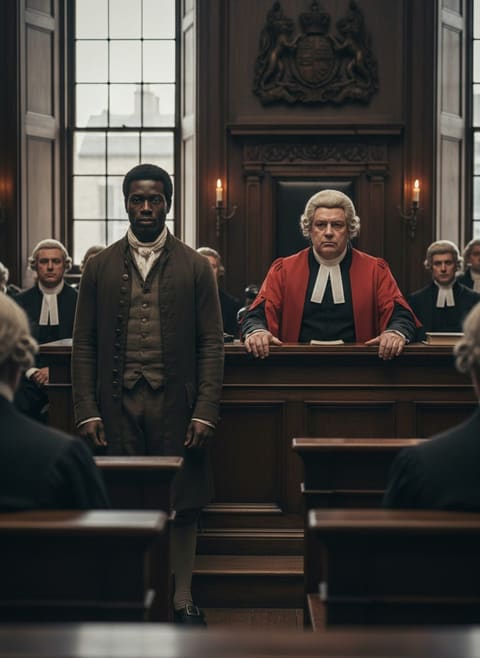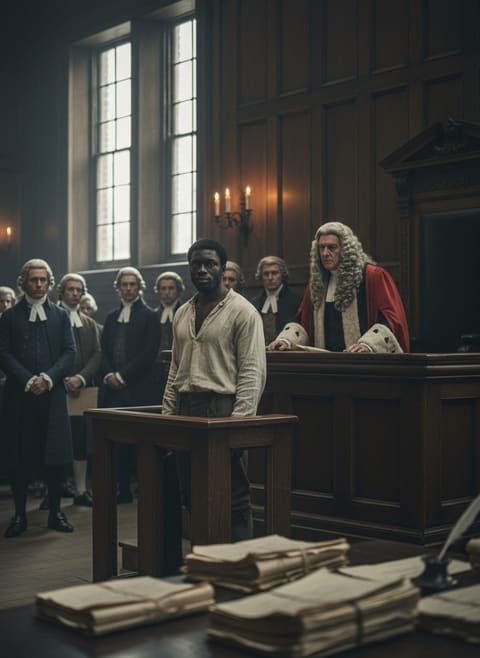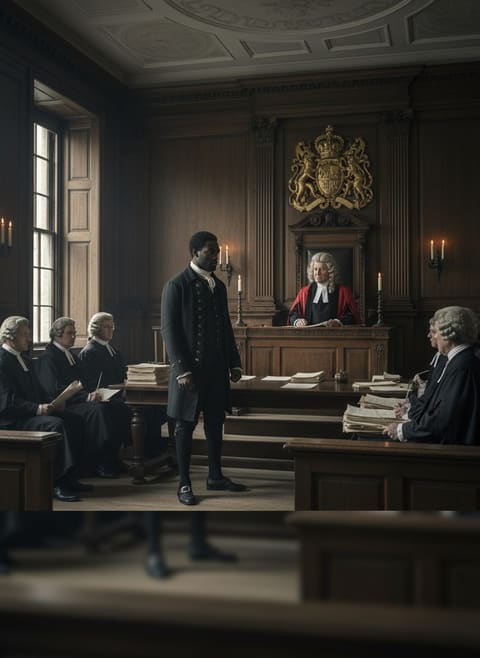
He never set foot in Africa. Yet his wealth was built upon its shores.
The Counting House: Where Wealth Met Restraints
Imagine walking through the bustling streets of Bristol in the mid-18th century, a city echoing with the cries of merchants and the clatter of horse-drawn carts. At the heart of this chaos, within the walls of a modest counting house, was a man whose ledgers recorded not merely tobacco and sugar, but the lives of thousands enslaved. This counting house was not just a place of arithmetic and order; its tally sheets contained the soul of Bristol’s unsettling prosperity.
Bristol was a leader in the transatlantic slave trade, surpassed only by Liverpool. During the era of 1713 to 1807, it became a pivotal cog in what was disturbingly known as the ‘Triangular Trade’. From the port of Bristol, ships sailed to Africa, where their captains purchased enslaved Africans in exchange for British goods. These ships would then head to the Americas, where their human cargo was traded for sugar and tobacco, enriching the purses of men back in England.
The Names Behind the Profit: Unveiling the Ledgers
For over 2,000 voyages, Bristol became a city synonymous with the commodification of humanity. The ledgers preserved from these voyages are a haunting testament to the city’s involvement. The documents, now revealed to the public, list not only those underwriting the costs but the specific individuals- the merchants who, sitting in their wood-paneled offices, orchestrated and profited from this trade in lives.
Read next: The Day a Bristol Clerk Stood Up and Freed a Dying Man
The names that filled these ledgers belonged to prominent Bristol families. Some were hidden beneath layers of philanthropy and civic duty, while others had descendants who continued to influence British society. Their profits were inscribed not just in paper but in the grand Georgian architecture that still lines the streets of Bristol today. The city’s opulent terraces and sprawling country estates speak of a wealth accrued through unthinkable human suffering.
Sugar, Tobacco, and Chains: The Human Cost
Sugar and tobacco vaulted from luxury to necessity on the sweat of enslaved labor. Bristol’s economy and the lavish lifestyles of its wealthiest were interwoven with the brutal realities on plantations across the Atlantic. This fortune came at an unimaginable human cost — families torn apart, lives consumed in despair.
To visualize the human aspect behind these numbers invites a visceral understanding of just what was sacrificed for sugary indulgence and the smoke of leisurely cigars. Ships leaving Bristol were meticulously loaded with goods crafted to entice African traders — textiles, beads, and metal goods swapped for human lives. The wealth of the Merchant Venturers of Bristol clung oppressively to the chains wrapped around African people.
Beyond the Ledgers: The Echoes of History
The legacy of Bristol’s affinity with the slave trade echoes even in contemporary Britain. The ledgers, now a chilling part of public record, serve as stark reminders of the history that textbooks have often glossed over. While statues, public debates, and societal reckonings attempt to grapple with these shadows, the stories etched on those pages tell their truths time and again.
Read next: The Day a Jamaican-Born Man Shamed a British Courtroom
The descendants of these merchants inherited more than wealth; they inherited a complex legacy that demands acknowledgment and responsibility. Bristol’s grand monuments and its thriving port today stand as contradictions — symbols of both prosperity and exploitation.
A Wealth of Unspoken Narratives
Understanding the history of Bristol’s merchants is not merely an acknowledgement of the past; it is an exploration of how the tendrils of history reach into the present. The counting houses, the names in the ledgers, and the city’s imposing architecture compel us to confront a past built on lives commodified.
This sobering tale urges today's society to reflect upon the structures of wealth and power that still exist, and consider whose stories have yet to be fully told. The legacy they left in Bristol is marked not just by the grandeur of Georgian estates, but by a call to question who can claim true prosperity in the shadow of chains.