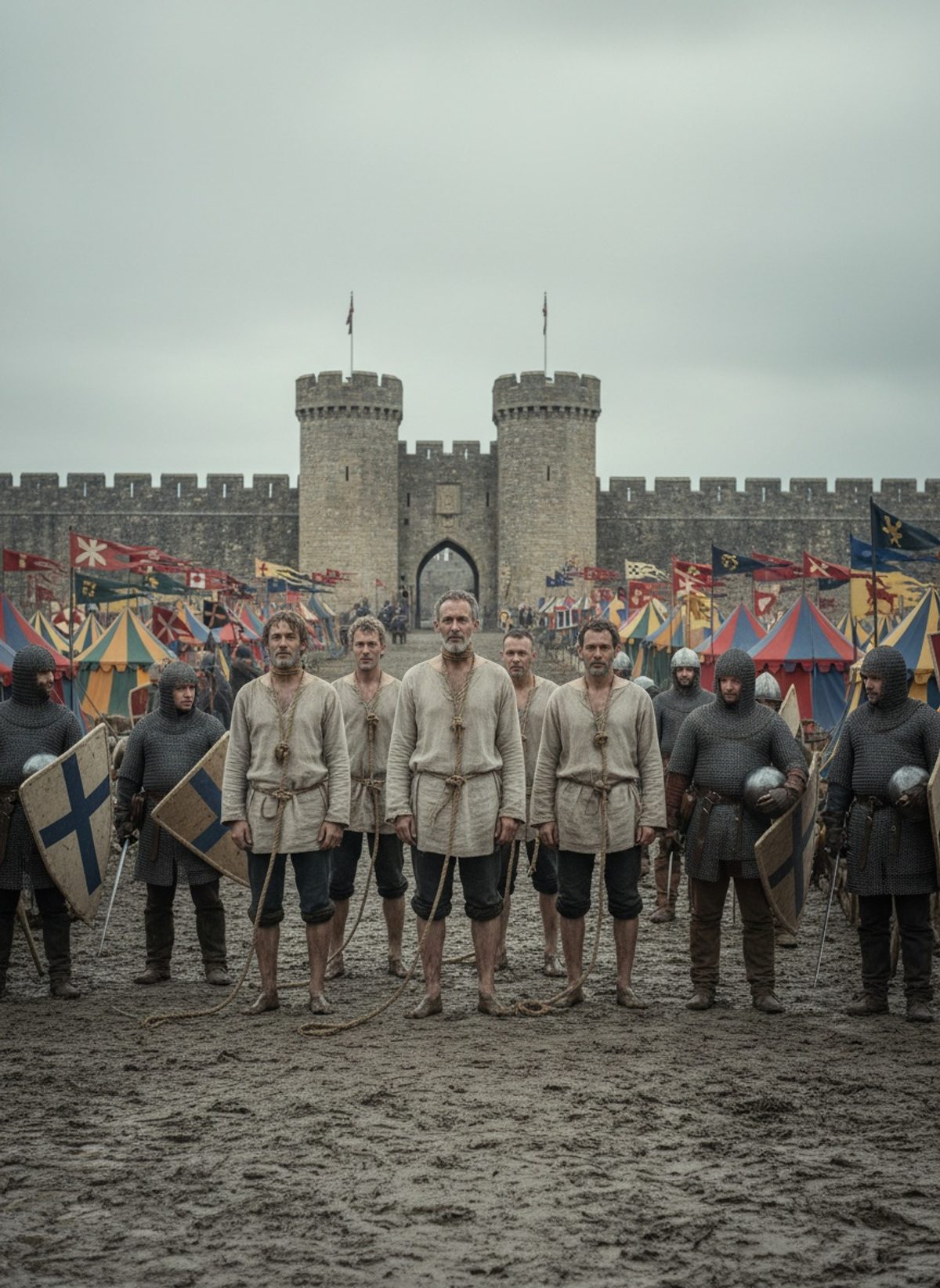
June 15, 1215. A warm breeze rustled the tall grasses at Runnymede.
The Archbishop's Resolve
To witness the event unfolding at Runnymede was to witness a fracture in the very nature of medieval power, a moment at once fragile and formidable. Here, King John was not surrounded by the familiar comfort of courtiers but by an assembly of barons wielding their grievances like swords. Yet, in the tapestry of tense noble faces, it was the presence of Stephen Langton that cast a distinct shadow.
Langton, the Archbishop of Canterbury, was not cut from the same cloth as the peers demanding redress. Born to a tenant farmer in Lincolnshire, his ascent to one of the highest ecclesiastical offices in the land was testament to his intellect and determination. His years of study in Paris had honed a mind adept in theology and philosophy, tools he wielded skillfully to foster a coalition against John’s capricious tyranny.
It was Langton who zealously shaped the meeting at Runnymede, a mediator who held both Bible and Charter in a balance that pressed John to agree. But perhaps most crucial was his moral authority; in an era often dictated by might, his stance was a reminder of the power embedded in righteous conviction. Without Langton, the road to this historic juncture might have remained impassable, and the demands of justice left unvoiced.
Read next: The Day a Sixteen-Year-Old Squire Charged at Agincourt
The Meadow at Runnymede
As day broke over the plains of Runnymede, the peace of the pastoral setting belied the weight of the confrontation. Situated by the River Thames, the meadow’s serene beauty was a silent witness to a gathering charged with conflict and resolution. Although unassuming, every step taken on its earth whispered tales of defiance.
The air was thick with anticipation as a group of barons clustered together, animated in discussion. Their grievances were chronicled into what would become the Magna Carta, a document destined to echo through eternity. At the heart of it lay principles of common law, clauses that curbed the king’s caprices, including the right to a fair trial. These avowedly mundane matters were, in truth, seeds of a revolution. This event marked a rare moment where palpable demands for justice transcended personal ambition.
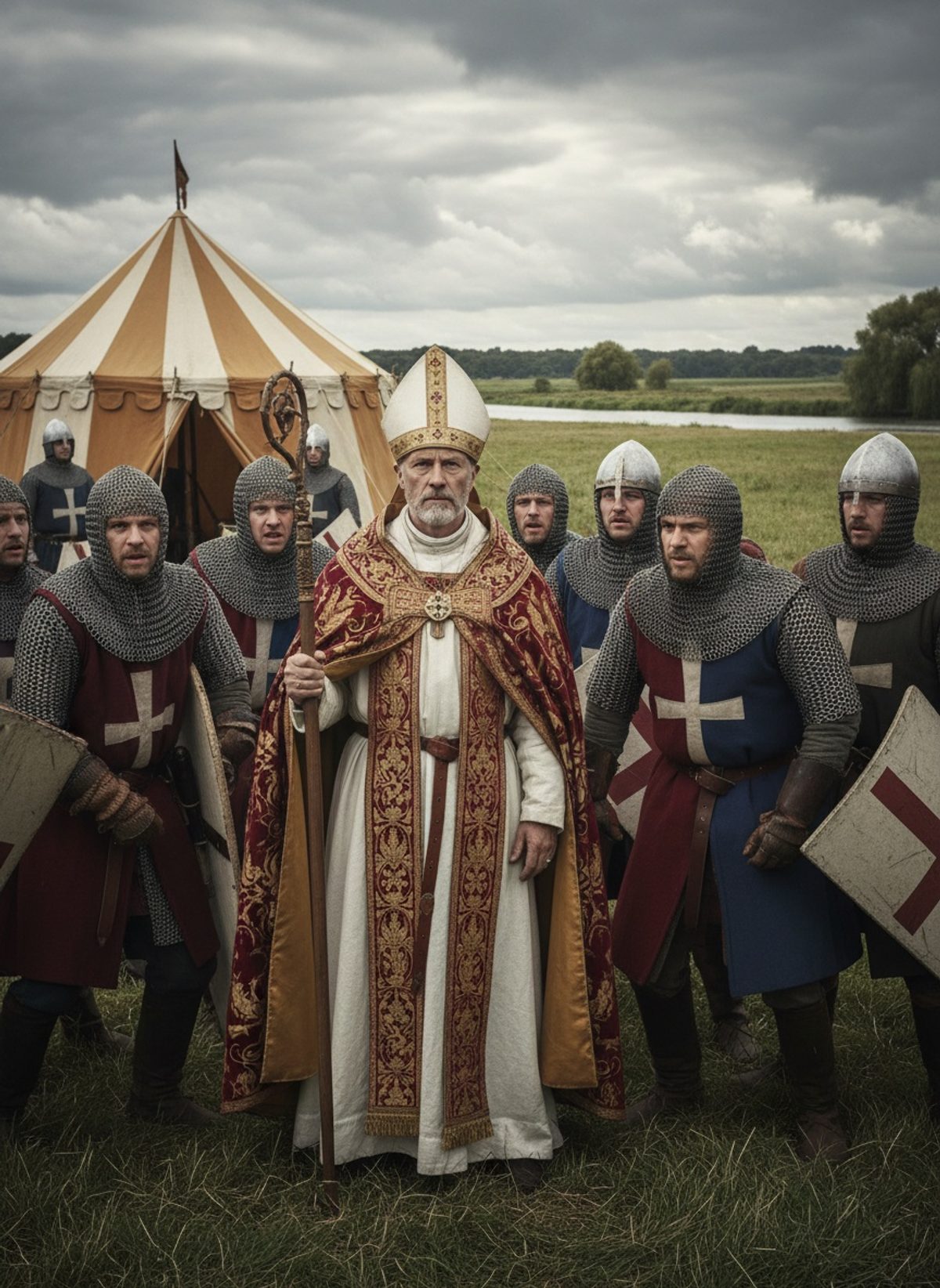
Amidst these deliberations, a singular figure in monk’s robes moved with quiet confidence. Stephen Langton was unyielding but strategically astute, guiding this nascent collective force with a shepherd’s care. Without his persistent urging, perhaps the Charter might have remained just vellum and wax, unrecognized and unfulfilled.
The King Who Bent to the Will
King John, accustomed to power's opulent securities, found himself outpaced by the surge of discontent his reign had ignited. His kingdom was a realm unaffordable in its indulgences yet unwilling to relent under the pressure of royal demand. To the peasants and nobility alike, John's rule offered precious little in way of peace or profit.
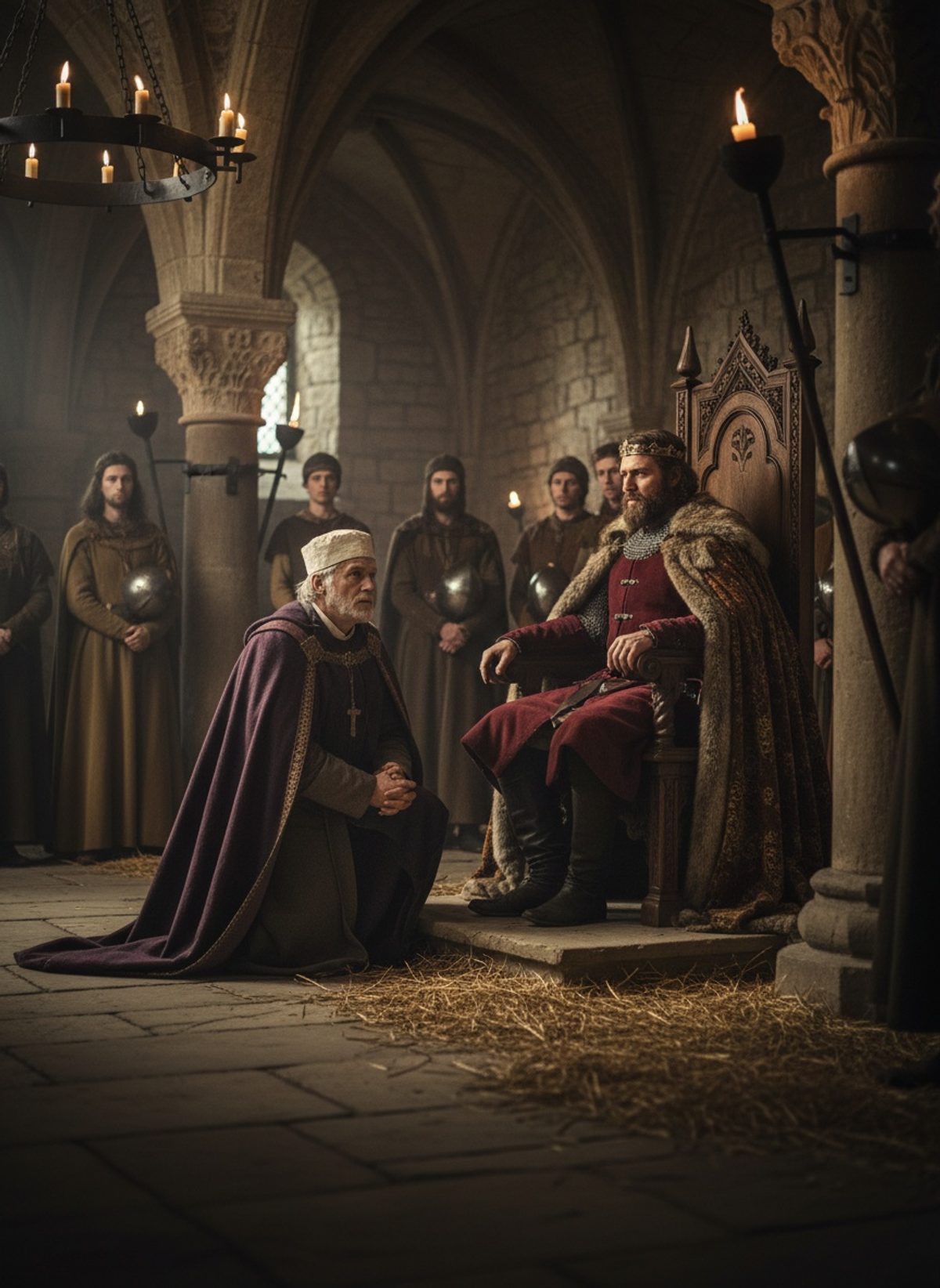
On that fateful June day, John knelt unwillingly. Atrailing through forced submission, his presence was a stark embodiment of instigation and fear. His seal, pressed grudgingly into the wax, was a symbol of acquiescence as pragmatic as it was reluctant. It was not the defeat of a single monarch but the affirmation of a notion more omniscient than any one crown.
In yielding, John paved the way for the governance that scholars and citizens would contemplate for centuries. A vivid reminder lingered: power needed endorsements, and realms, whatever the reigning hand, would heed the collective will eventually.
The Monk's Quiet Victory
As heralds broadcast the king’s reluctant consent, those convened felt a surge of triumph deeply intertwined with relief. The Charter was a charter only because of men like Langton who had borne its authorship. Yet for Langton, it signified a moral victory, turbulent and profound. It was his advocacy for compromise and reason that had been the unseen string weaving together this delicate political tapestry.
Langton’s choice to refuse subservience to tyranny became the axis on which the document's existence turned. His insistence that the king consent to the principles therein was a monk’s true rebellion—one fought not with swords or fire, but with the indomitable spirit of reason and reformation. In choosing to uphold his moral compass, Langton parted the sea of mediocrity with principled conviction, leaving indelible traces.
A Legacy Beyond a Parchment
In the aftermath, the meadow at Runnymede would become a relic of fortitude, a testament to what can be achieved when moral force outspans the limitations of mere mortals. The charter Langton so fervently advocated was initially annulled, but its spirit soared, embedding into the annals of governance worldwide.
The real legacy of that day was not simply the pieces of parchment bearing clauses but the idea that the governed could shape the governance. Without Langton’s principled obstinacy, the ideals of justice, due process, and liberty might still linger as mere linguistic constructs of an ephemeral nature. This narrative is vital in understanding that history’s stride begins with moments, and often with men, who refuse to shrink away from justice in its most resolute form.