Stephen Langton was the son of a blacksmith. Yet, on a fateful June day in 1215, he faced a king and reshaped a nation.
The Forge of an Unlikely Champion
Born in the shadows of an anvil and hammer, Stephen Langton's origins could not have been more removed from the corridors of power and influence that he would come to walk. His father, a humble blacksmith, molded metal while young Stephen's mind was being molded by books and the scriptures. Langton's ascent from these modest beginnings to the apex of ecclesiastical and political power is a narrative steeped in determination and scholarship. Educated at the University of Paris—then the most prestigious center of learning in Europe—Langton honed a keen intellect and a zealous moral compass. This combination would later gift him the rarest of powers: the ability to challenge a king not with weapons, but with words.
England on the Brink
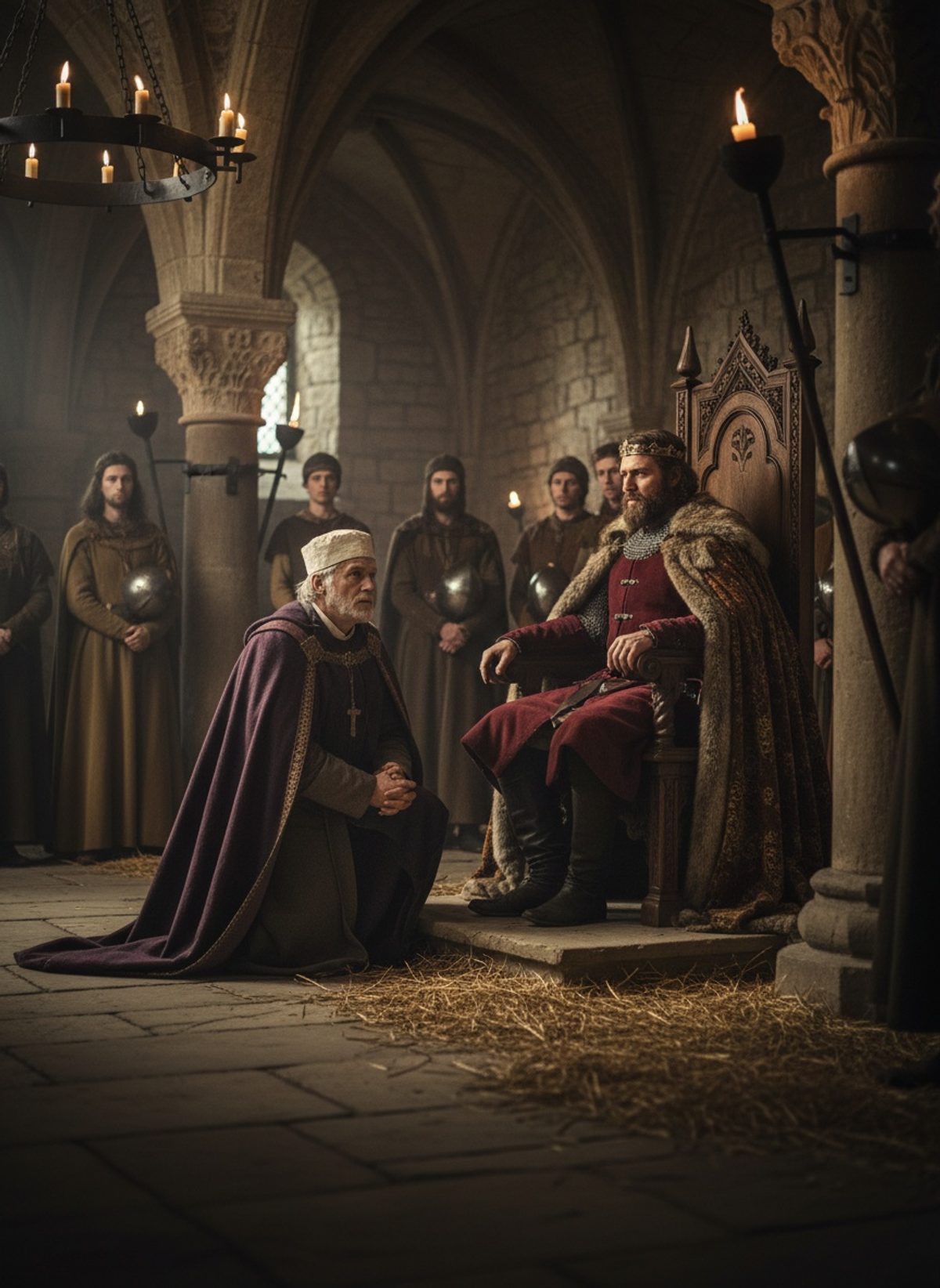
By 1215, England was a realm teetering on the precipice of chaos. King John, known for his defiance of nobles and heavy taxation, found his barons' patience wearing thin. Years of discontent boiled over into rebellion, incited by the king's impetuous nature and relentless financial demands. Civil war loomed as John’s relationships with his barons grew ever more strained. Amidst this turmoil, Stephen Langton emerged not as a passive onlooker, but as a central figure who possessed the courage to act. Elected as the Archbishop of Canterbury without the king’s blessing, Langton was instantly cast as an antagonist in John's narrative. It was this animosity that unwittingly positioned Langton as a pivotal player in the ensuing drama at Runnymede.
The Charter that Turned the Tide
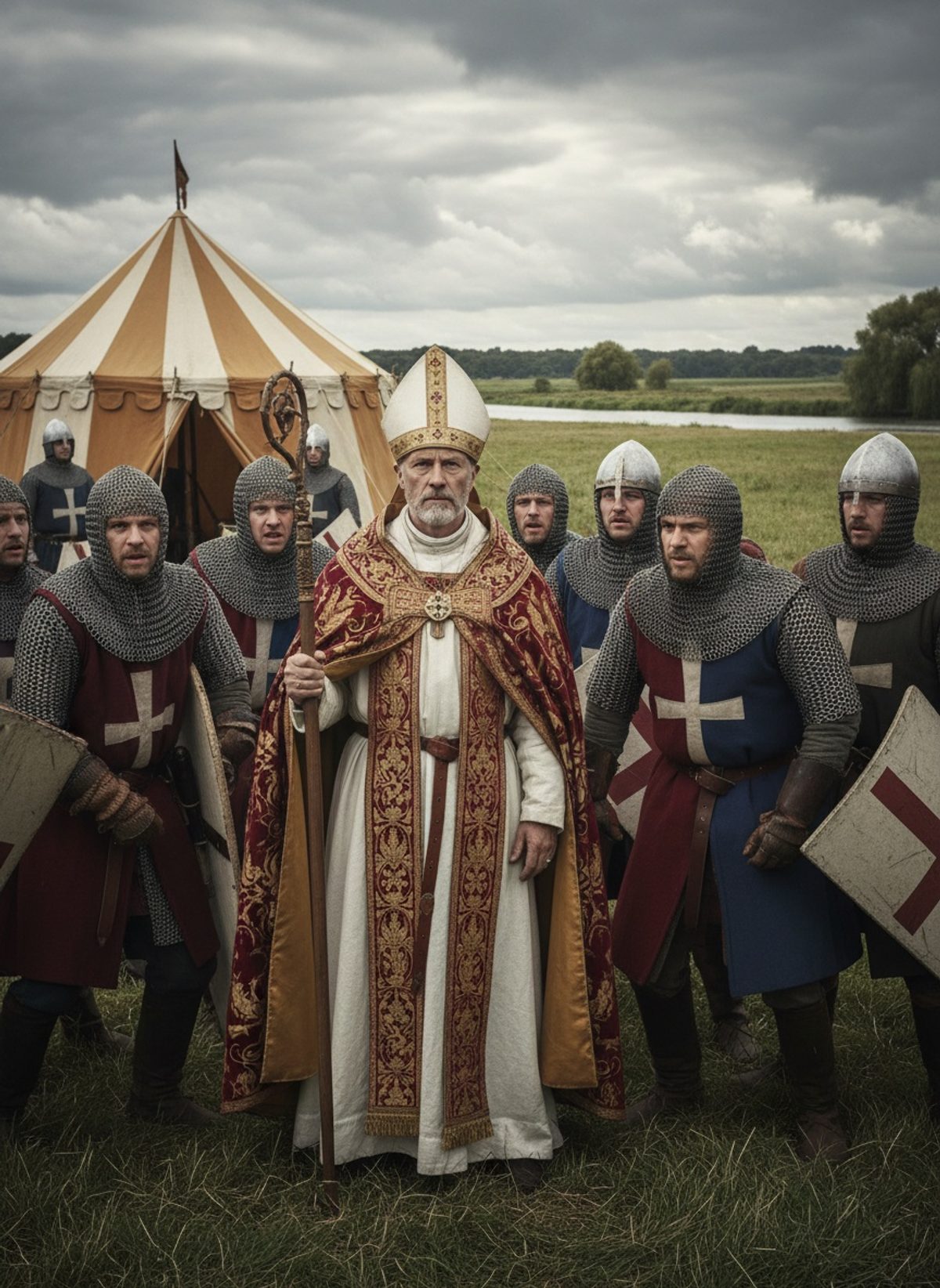
Standing on the fields of Runnymede on a sunlit morning in June, Langton was surrounded by the heated grumbles of discontented barons and the anxious pacing of aides loyal to the crown. The air was thick with anticipation, every heartbeat a drum pushing towards confrontation or resolution. Into this tense environment stepped Stephen Langton, not with a weapon, but with a document—a parchment that promised to rewrite the very nature of governance. As he placed the charter into King John's hands, his heart must have echoed with the hope and fear of every reformer who stakes their very life on their conviction. This document, which would come to be known as the Magna Carta, contained a radical promise—the king was not above the law.
A Reluctant King's Reluctant Compliance
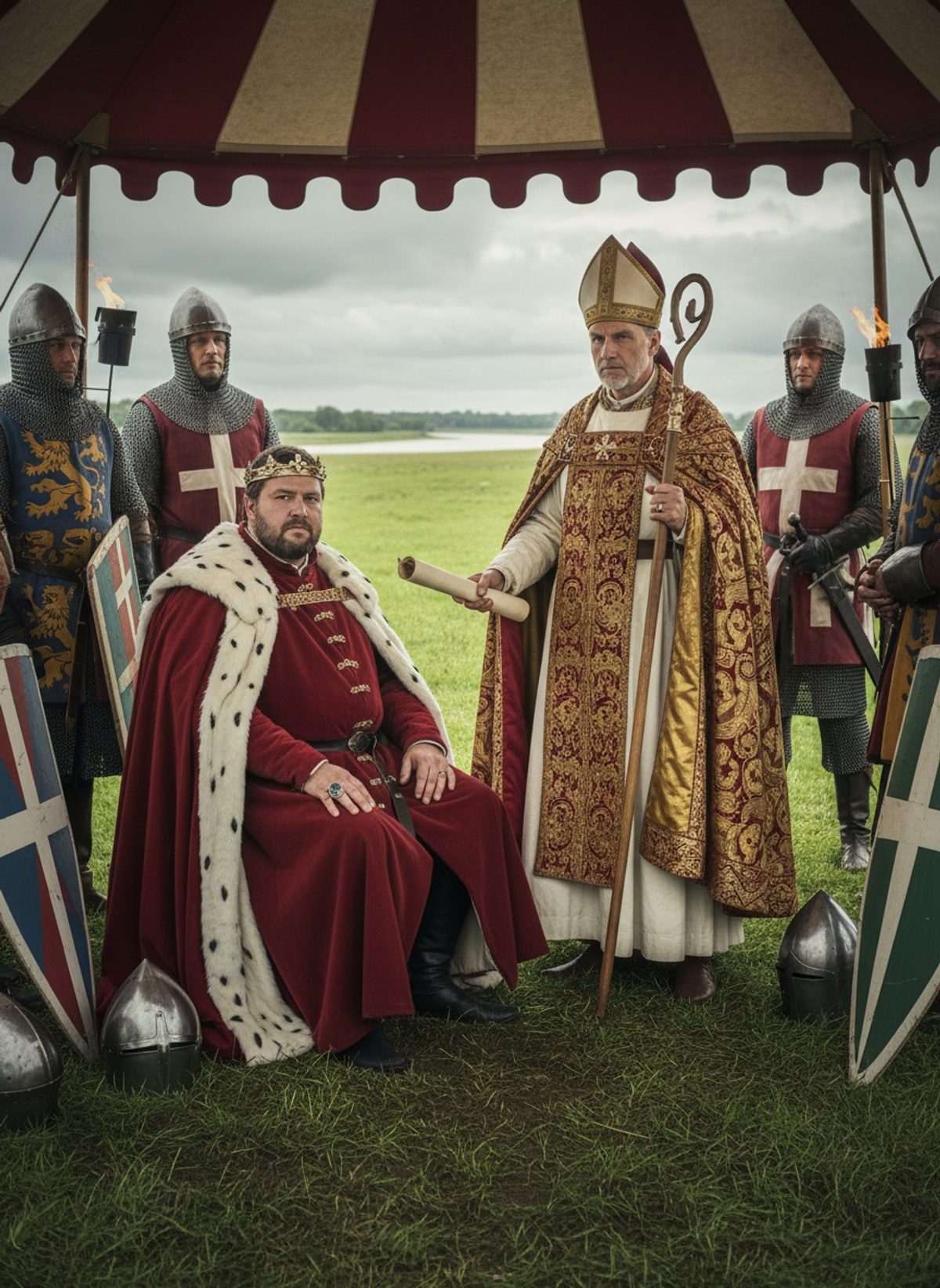
King John, with a countenance as clouded as the day itself, gazed at the parchment—the charter laid out by Langton. It was a moment suspended in uncertainty, the air expectant for the king’s reaction. Stephen Langton had orchestrated a delicate dance of negotiation and diplomacy, fiercely maintaining the barons' demands while offering the king a path to reconciliation that did not destroy his regal authority. In that charged moment, John’s seal was less a mark of agreement and more a gesture of reluctant acknowledgment. Yet, in sealing the Magna Carta, John unwittingly became part of a historical covenant. That act at Runnymede set a precedent that even a king's might could not quench the spirit of governance by consensus and liberty for all freemen.
Why a Charter Matters
Often hailed as the foundation of constitutional governance, the Magna Carta's signing represented a watershed moment not just for England, but for the world. It was a blueprint that insisted on accountability, the forerunner of human rights charters that would follow centuries later. Stephen Langton, the blacksmith’s son, was a unlikely hero who had tilted the scales from tyranny towards justice with disciplined resolve and righteous tenacity. He proved that the power of an idea—a written promise of fairness and law—could hold more weight than the steel of any sword. The embers of Runnymede’s agreement flared into a fire that would ignite revolutions and reforms, proving that the greatest changes are often birthed not from the roar of battle, but through the quiet resolution of determined minds.