The air was filled with the crispness of autumn, a sharp chill promising the icy grip of winter soon to follow. Leaves crackled beneath heavy boots, whispering protest as iron-shod hooves pounded the earth into submission. In the heart of England, amidst the rising tension of impending catastrophe, one man mounted his steed in a race against time.
The stakes were nothing short of the survival of a kingdom. It was 1216, and while King John lay newly entombed within the cold stone of his grave, a new and dangerous foe had claimed dominion over the land. The specter of a French prince sought to eclipse the struggling light of a nascent English king.
A Broken Crown and a Kingdom Divided
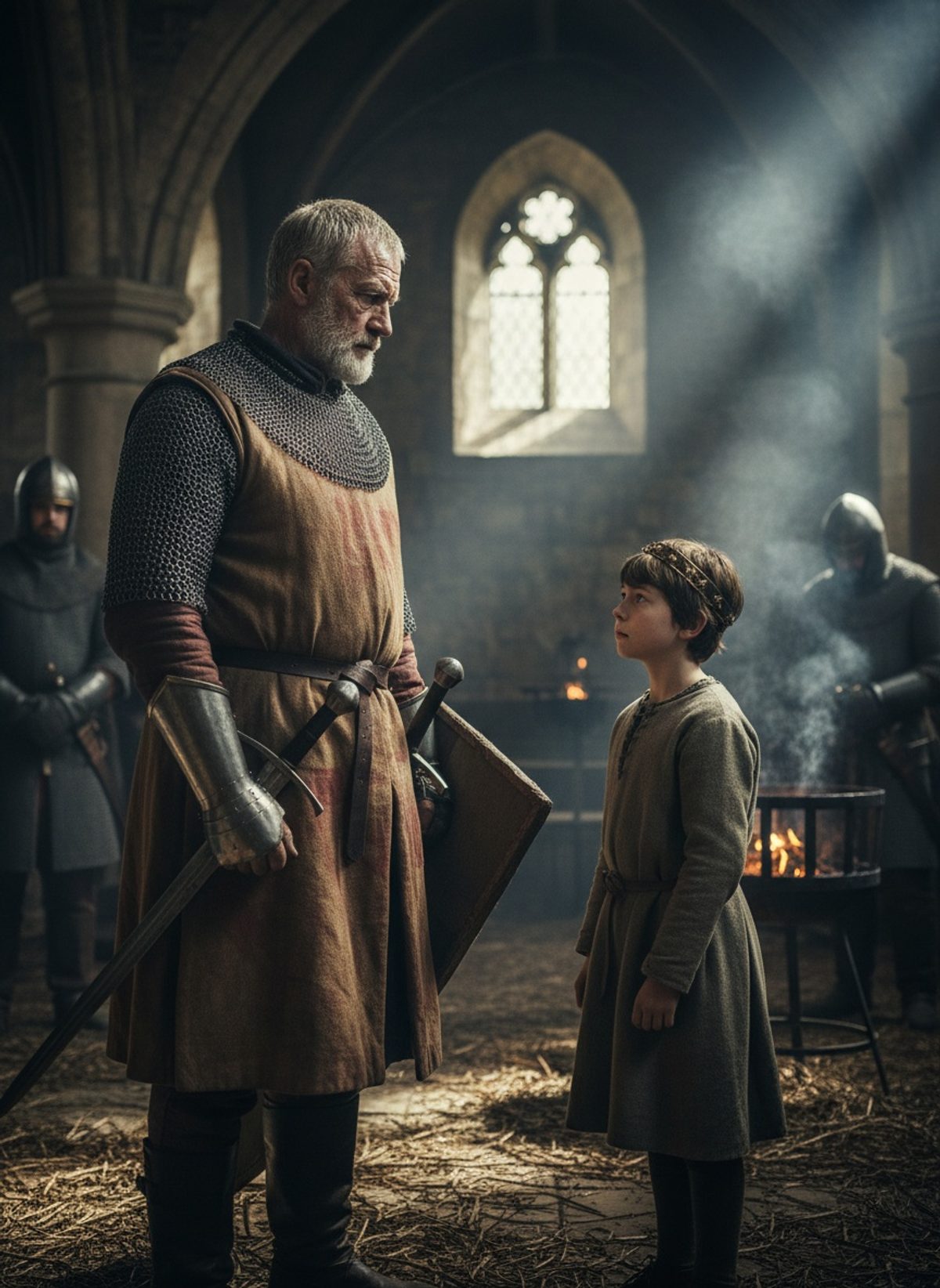
In the wake of King John's death, peace seemed a distant echo. England lay fractured, its loyalty split between the rightful heir, the nine-year-old Henry III, and the bold claimant, Prince Louis of France.
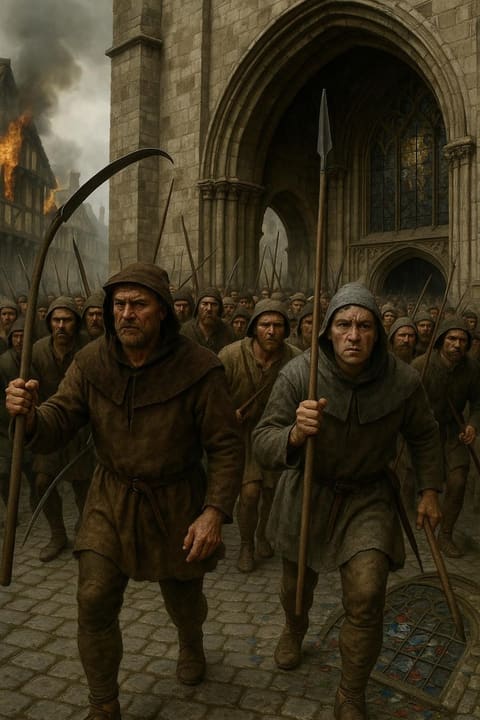
The barons, once loyal subjects disillusioned by John's turbulent reign, now saw in the French prince a potentially more stable rule. London had fallen into foreign hands, its towering castles and bustling streets now echoing with a dialect not their own. France's shadow threatened to extinguish the spark of English sovereignty.
Read next: The Peasant Who Walked Into London and Shook a King's Hand
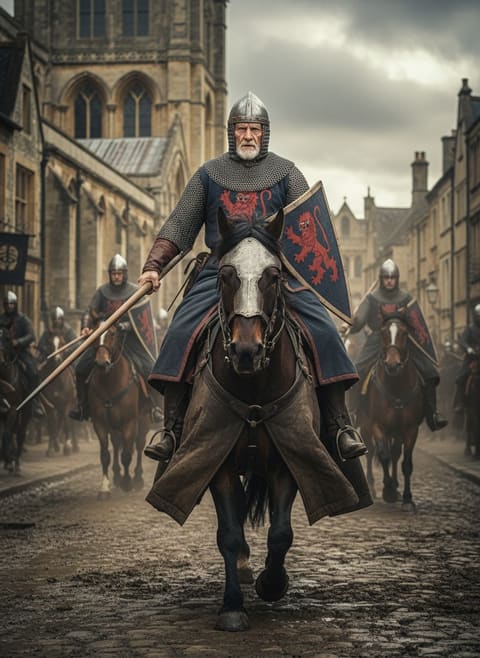
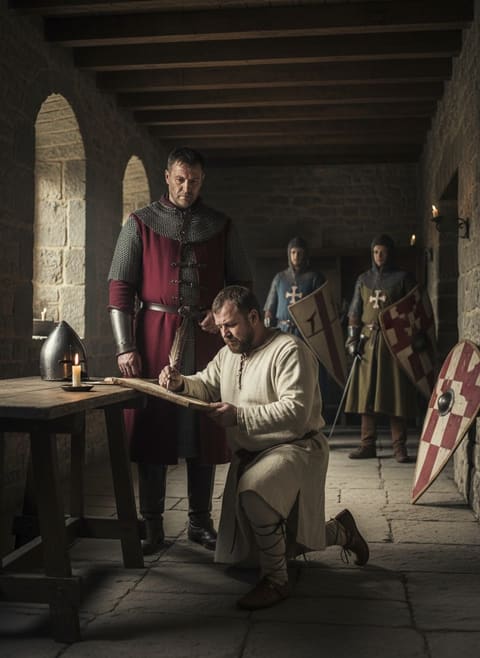
Amidst this disarray, one man stood resolute. William Marshal, a knight whose years were more than any natural predator's, possessed the wisdom of seventy revolving seasons. His reputation was legend; his sword, tempered by countless battles. But it was his integrity, his unfaltering loyalty, that would define the epoch. As England's appointed regent for young Henry III, his decision bore the weight not only of war but of the overarching history to be written.
The Defender in Armour
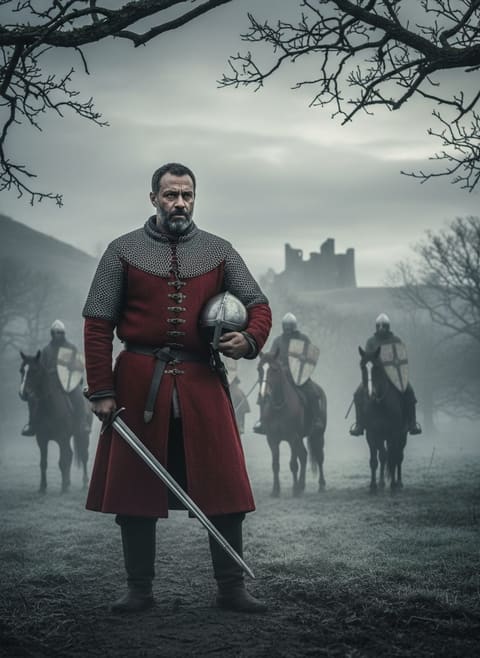
Marshal had known glory in arms and diplomacy in equal measures. In those days, time itself seemed eager to gallop ahead, harder on the heels of a kingdom in crisis. Parley or peril lingered with each dawn. Yet Marshal's body, weathered by decades of strife, was resolute. Stepping into his armour was both task and testament—a promise forged in steel and sinew. The mail shifted and clinked with familiarity—a metal murmur of old dreams and fresh fears.
Under his steadfast leadership, the English rallied. From the battlements of Dover to the barracks of Lincoln, he marshalled forces with the fervour of a seasoned commander. The wisdom earned through years as a celebrated knight now focused on the war effort. His banner would not fall. Marshal's strategy marked every map, a chessboard capturing cities and hearts. Still, the challenge loomed as vast as the Norman Conquest had ages ago, and the stakes were nothing less than identity.
Strategy, Stalemate and Sword
With each clanging clash and stratagem enacted, Marshal taught the world anew that battles were not won by strength alone but by cunning and courage. Yet the spectre of defeat was palpable. Enemies pressed on all sides, and alliances stretched thin under the weight of treachery and ambition. Yet, Marshal remained a bulwark. His decision to fight stirred loyalty with every step his mount took across the beleaguered land.
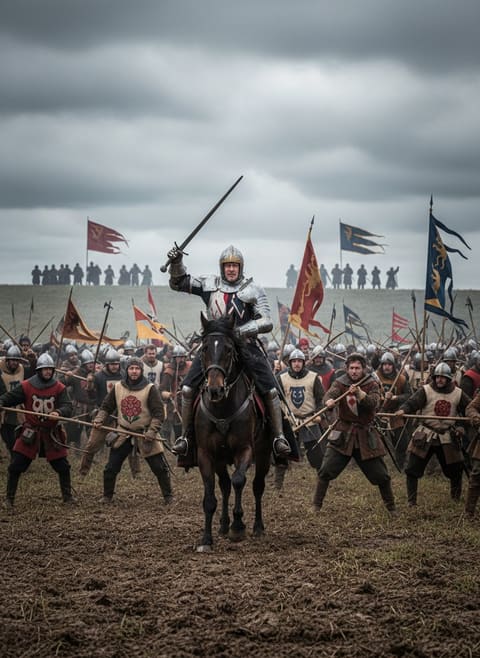
The culmination of this strife ripened with the Battle of Lincoln. It was more than a mere confrontation of arms—it was the spectre of all futures distilled into a single, defining struggle. The clatter of swords, the thud of arrows meeting shields—each bore the echo of the ages. England dared to hope once more as Marshal stood unbowed amidst the chaos, defying the gathering storm.
Read next: The Monks Who Built England's Greatest Timber Cathedral
To Save a Throne
In the end, it was a tale not of conquest but of survival, of a kingdom clawed back from the abyss at the brink of extinction. Prince Louis’s forces faltered under the relentless onslaught of Marshal’s resolve, as reinforcements flanked and shattered the French foothold. The regent's decision to embrace combat spared England a future under another's yoke, and Henry III's claim to the throne solidified like iron cooled in bracing water.
But beyond the clash of arms, this saga was an emblem of endurance—a realization that kingdoms are not merely parcels of land but shared dreams, personified in moments of choice. As the echoes of conflict died away over the wintry fields and strengthening winds unfurled the banners of a unified England, a child king took his tentative first steps towards rule, with a guardian whose legend bridges the grand and the guarded.
William Marshal's acts echo still, centuries past the haze of dust. In every choice to defend against odds, in every risk for a greater right, his legacy asks: what do we choose, and how does that redefine what we protect?
As he left behind the echoes of his horse's hoofbeats, Marshal ensured England's heart was more than a geographical boundary. It was and remains a testament to where loyalty, love, and light can lead. In those choices, we find the stories they truly left out of the textbooks.