Spring, 100 AD. The air was raw with the biting chill that crept unbidden through the fortifications of Vindolanda, a Roman outpost on the windswept edge of Britannia.
The Edge of Empire
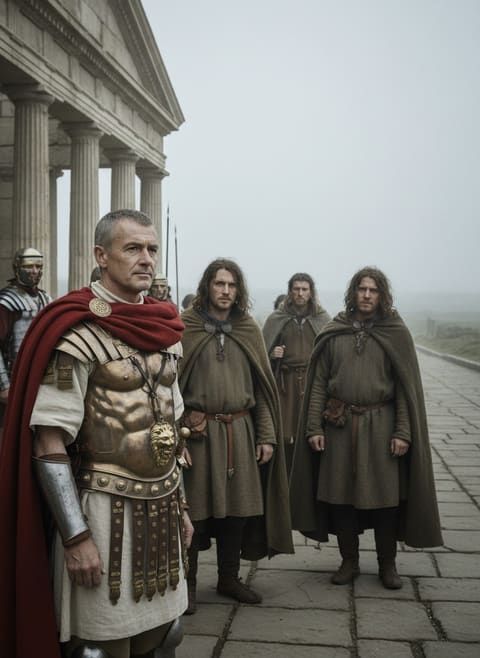
In the early second century, the Roman Empire stretched from the sun-drenched shores of Hispania to the sandy expanses of Syria. But for legionaries stationed at Vindolanda, home was a world away. Located just south of what would later become Hadrian’s Wall, this fort was a critical outpost defending Rome's most northwestern territories. Despite the grandeur of empire, everyday life for a Roman soldier in this remote Britannic borderland was often anything but glorious.
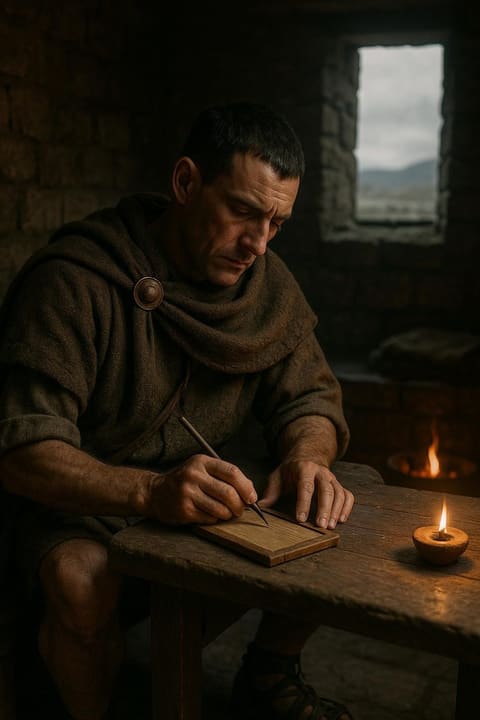
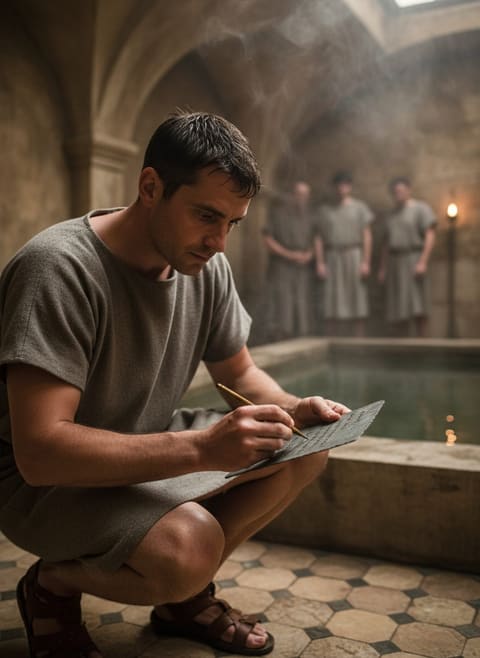
Imagine a soldier, standing duty on the rampart, gazing into the fog-shrouded wilderness beyond. His hands, numbed by the unceasing wind, clutched not a weapon but a wooden stylus. Despite the rigid discipline and hierarchy of the Roman army, moments of introspection crept in. This soldier, surrounded by a landscape alien and unforgiving, sought solace in the written word.
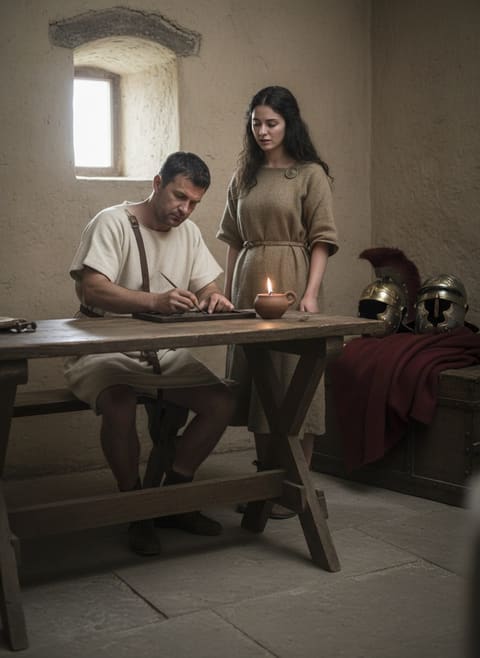
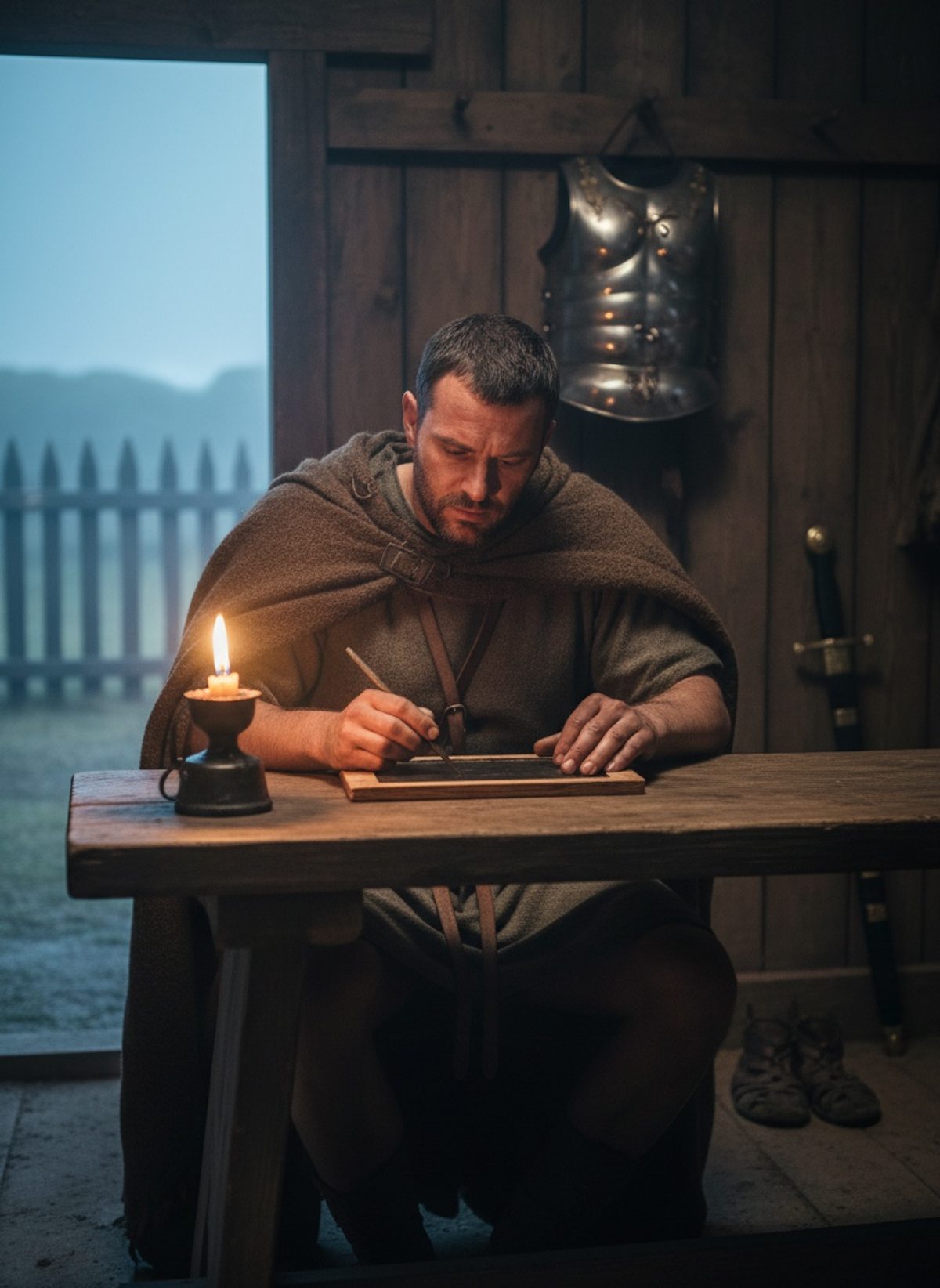
The tablet he clutched was no papyrus scroll or carved marble. Instead, it was a thin sliver of wood, a practical and portable medium for correspondence. In these damp conditions, more durable materials were essential for messages to survive. Our legionary, far from the bustling markets and familiar landscapes of home, penned a missive to his brother. It was a simple letter, an earnest connection that reached across the miles.
Read next: The Roman Governor Who Faced Down His Own Emperor
Yet this missive was not a tale of military prowess or exotic conquest. It was a heartfelt request for socks and warm underwear. These simple comforts symbolized the soldier's struggle against the elements and the yearning for the warmth of familial bonds. While Britannia was famed for its inhospitable climate, the legatus and centurions offered no shelter from its grasp. Only the practical and personal could ease this legionary’s burdens.
The Words that Survived Time
Preserved in the soil of Northumberland for nearly two millennia, the tablet carrying this correspondence emerged in the late 20th century as one of the Vindolanda Tablets, a remarkable archaeological find that overturned the conventional narratives of Roman military life in Britain. These tablets, made of birch and alder, with ink styluses or scratched with sharp points, have provided an indispensable first-hand account of the ordinary lives once lived at this frontier fort.
The conversation within this particular tablet spoke not only of cold and discomfort but evoked the soldier’s deep-seated longing for home. Here was a man who missed the camaraderie of friends, the closeness of family, and the familiar rhythm of his past life. His letter became a vocal testament to the personal sacrifices made by so many Roman soldiers stationed at the empire's periphery.
The Vindolanda Tablets have astonished historians, not for their grandiosity, but for their mundanity. From complaints about the shoddy quality of beer to invitations to birthday parties, these writings brought forth the everyday worries and joys of Roman soldiers and their families. In their fragile lines, experts discovered the human condition unchanged — where every generation grapples with life's simple dilemmas, even at the furthest reaches of civilization.
Read next: The Day a Roman Soldier Carved His Freedom Into Stone
Messages Across Millennia
As scholars continue to decipher the Vindolanda Tablets, each inscribed word uncovers more of the mosaic of Roman Britain. These slips of wood have breathed life into an era viewed previously through the lens of emperors and conquests. While the annals of history often detail the deeds of the elite and the powerful, here we find the everyday stories of unnamed legionaries, merchants, and settlers.
The tablet with the request for socks and warmth echoes through the ages, reminding us that even at the outer edge of the known world, we grapple fundamentally with the same needs — warmth, connection, and the ties that bind us to one another. This soldier, long faded from memory, now speaks to us across centuries, offering a glimpse into his life, bridging the distances not just of lands but of time itself.
In rediscovering these voices from Vindolanda, we are reminded that history is not merely the account of grand events or monumental achievements. It is also the tapestry of daily life woven by countless unnamed hands. As we hear this soldier's simple request, we are reminded of the strings that bind human experience, resonating beyond the empires fallen to dust and echoing ever louder in our own.