They called him a barbarian. But Caratacus, the man who defied Rome's legions for close to a decade, knew the art of command like few others of his time. When faced with certain doom, he chose words over weaponry, changing his fate in the annals of history forever.
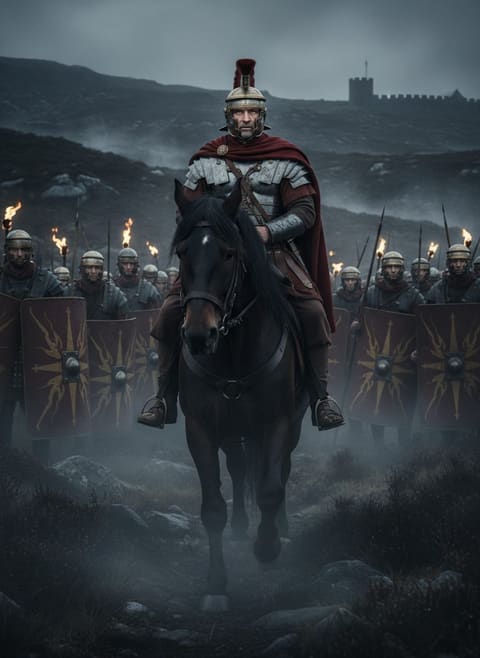
Caratacus, a warrior-king of the Catuvellauni tribe, rose to prominence at a time of great upheaval. His people stood upon the edge of an empire, where Roman expansion was relentless and unmerciful. When the legions first landed in AD 43 under Emperor Claudius, they brought with them machines of war unseen by the indigenous Britons. Yet, amidst the chaos and fear, Caratacus emerged as a beacon of resistance, a soldier willing to bleed for every inch of his homeland.
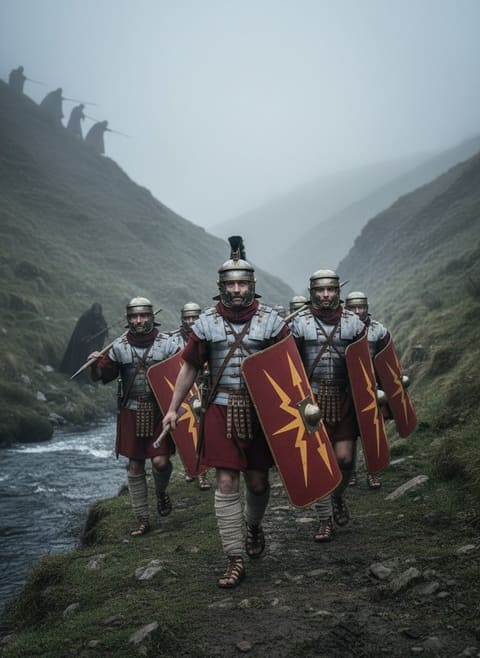
The Romans, masters of strategy and tactical warfare, encountered a foe in Caratacus who knew the terrain intimately. For years, as Roman governors and generals sought to bring the Isles to heel, their forces were met with fierce defiance. Caratacus waged a guerilla war from the mountains and forests, a thorn perpetually in the side of an army accustomed to easier victories. His campaigns were marked by hit-and-run tactics, strategic retreats, and an uncanny ability to evade capture.
Historians often glaze over the human aspect of such conflicts, but consider the burdens Caratacus bore. His was not just a fight against the legions, but a fight to preserve a way of life. To him, surrender was not an option. His people needed a symbol of resistance, and he became that symbol with unwavering commitment.
Read next: The Day a Roman Slave Left a Message That Outlasted an Empire
In AD 51, however, Caratacus's luck would falter. Betrayed and captured, the chains that bound him appeared to seal his fate. Rome had long exhibited a penchant for spectacle, and the captured British king was paraded through the streets. His passage to Rome was a journey of defeat, every step a reminder of his fallen kingdom. But within the Pantheon of Roman glory, Caratacus would find a peculiar ally in his eloquence.
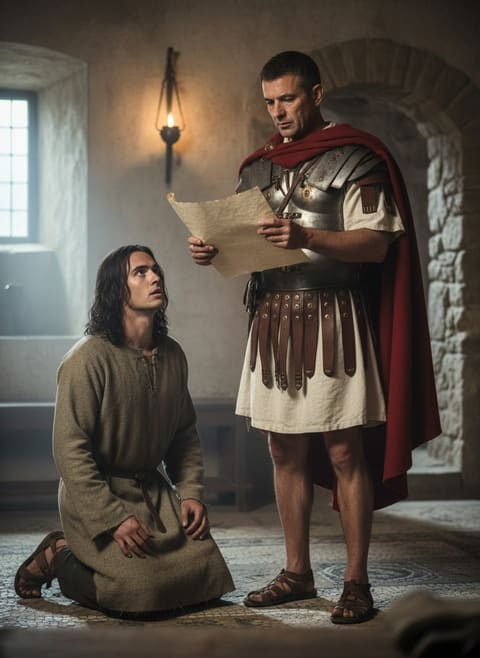
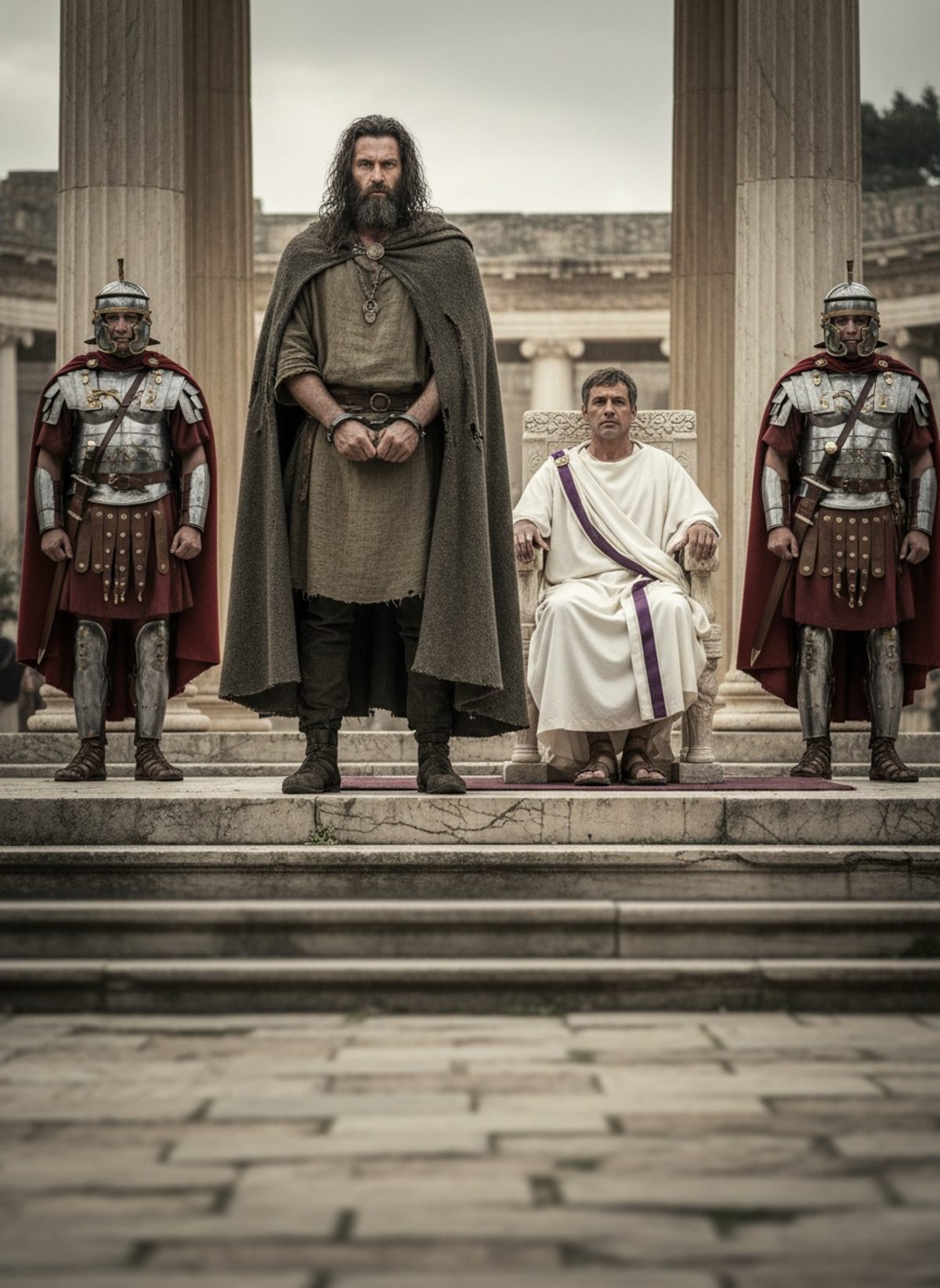
When brought before the emperor Claudius, the stage was set for a public execution. The spectacle, no doubt, would have cemented Roman might and deterred further resistance. But Caratacus, unbowed by chains, stood and spoke. In a hall filled with Rome's most powerful, his voice rang clear. He appealed not as a defeated barbarian but as an equal before the majesty of Rome. Caratacus praised the grandeur of Roman achievements while subtly admitting, without shame, his own people's valiant efforts to defend their freedom.
Read next: The Day a Roman Officer Freed His Captive and Walked Away
It is said that Claudius, a man accustomed to the reverence of his position, was moved by Caratacus's words. Here was a man who commanded respect not through fear or subservience but through dignity. Perhaps Claudius saw something of Rome's own essence in him — a city built on the idea of freedom through conquest. In an unprecedented act, Caratacus's life was spared, his captivity commuted to a type of Roman house arrest, his family joining him in exile but alive.
In the annals of Roman history, mercy was rarely written in the script. Emperors were more known for their tyranny than their magnanimity. However, the sparing of Caratacus marked an extraordinary gesture, one that not only immortalized the British king but also highlighted Rome’s complex relationship with the world it conquered. It illuminated a moment where words had become mightier than the sword, even in the eyes of an empire that thrived on the latter.
This fascinating episode reminds us of the myriad ways history can pivot on small acts of humanity. Caratacus's story sheds light on a forgotten corner of Roman Britain, usually overshadowed by conquest narratives and grandeur. By defying his impending execution with sheer presence and eloquence, he left an indelible mark not only on Roman hearts but on British memory, a figure of determination and resilience.
In reflecting on this tale, we are reminded that defiance against overwhelming odds can reshape destinies. Caratacus's stand before Claudius speaks to the power of words and individual conviction. And perhaps, in a world often remembering empires for their swords, this legend sparks the hope that history's echo can, at times, favor the unyielding spirit of freedom.