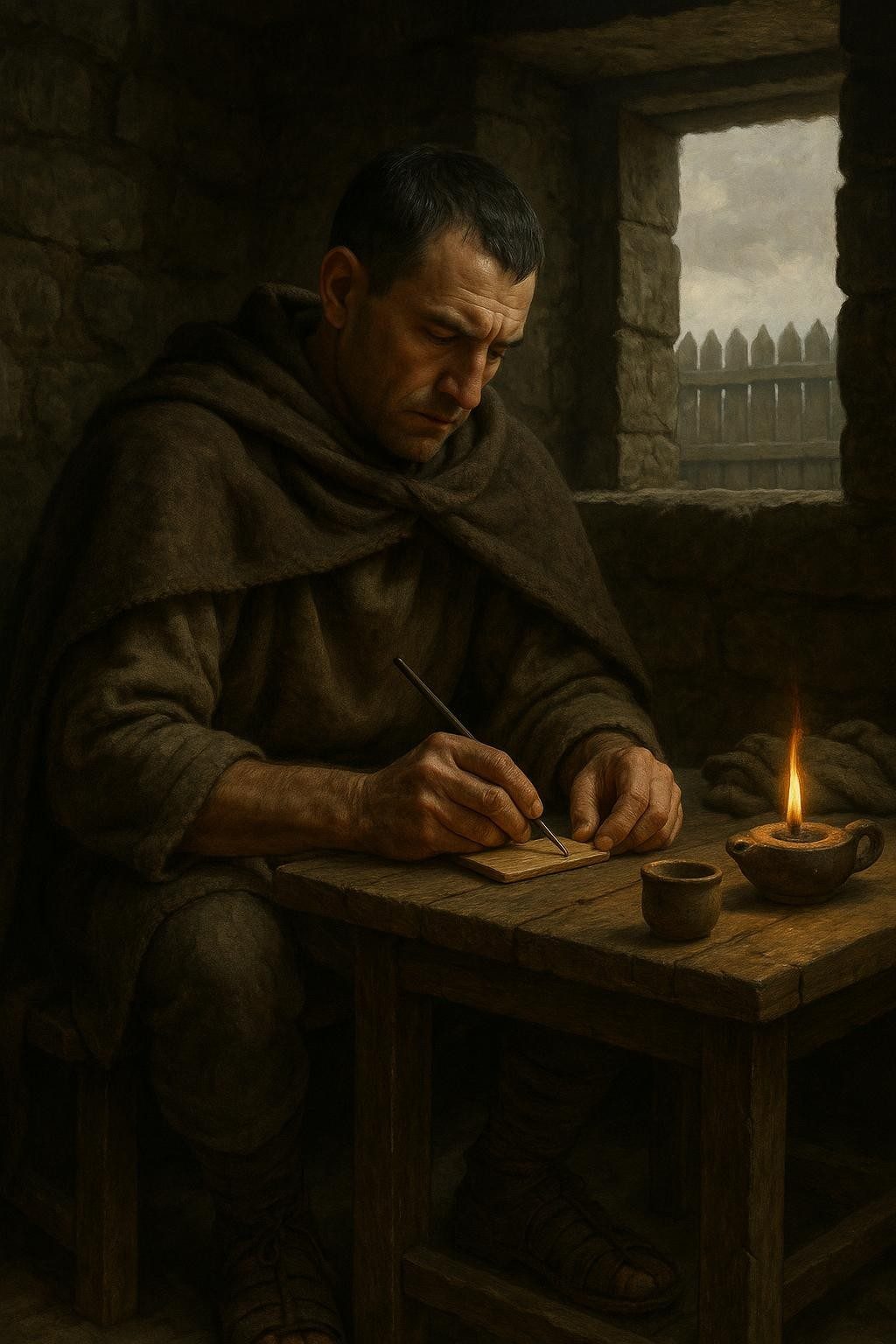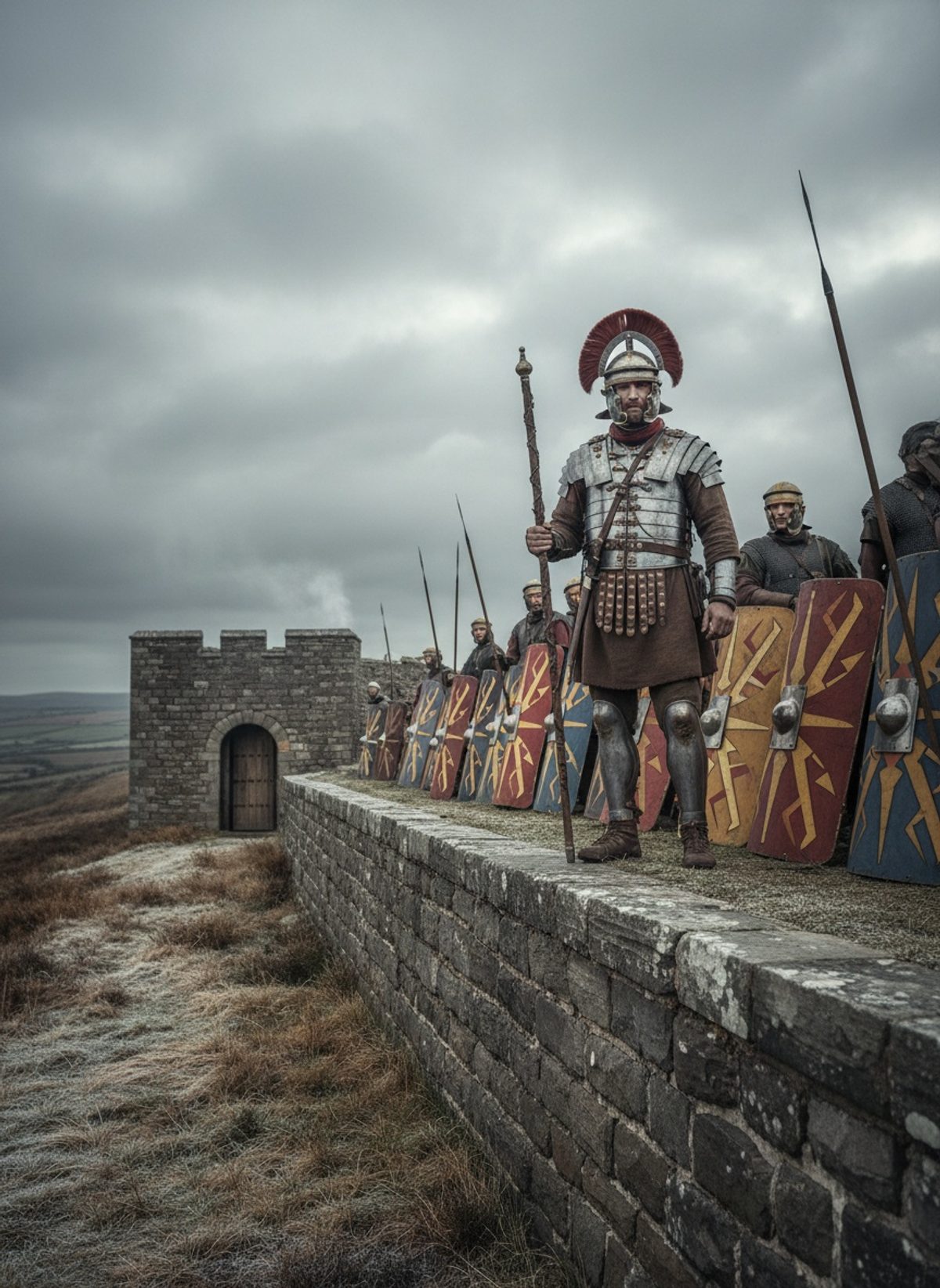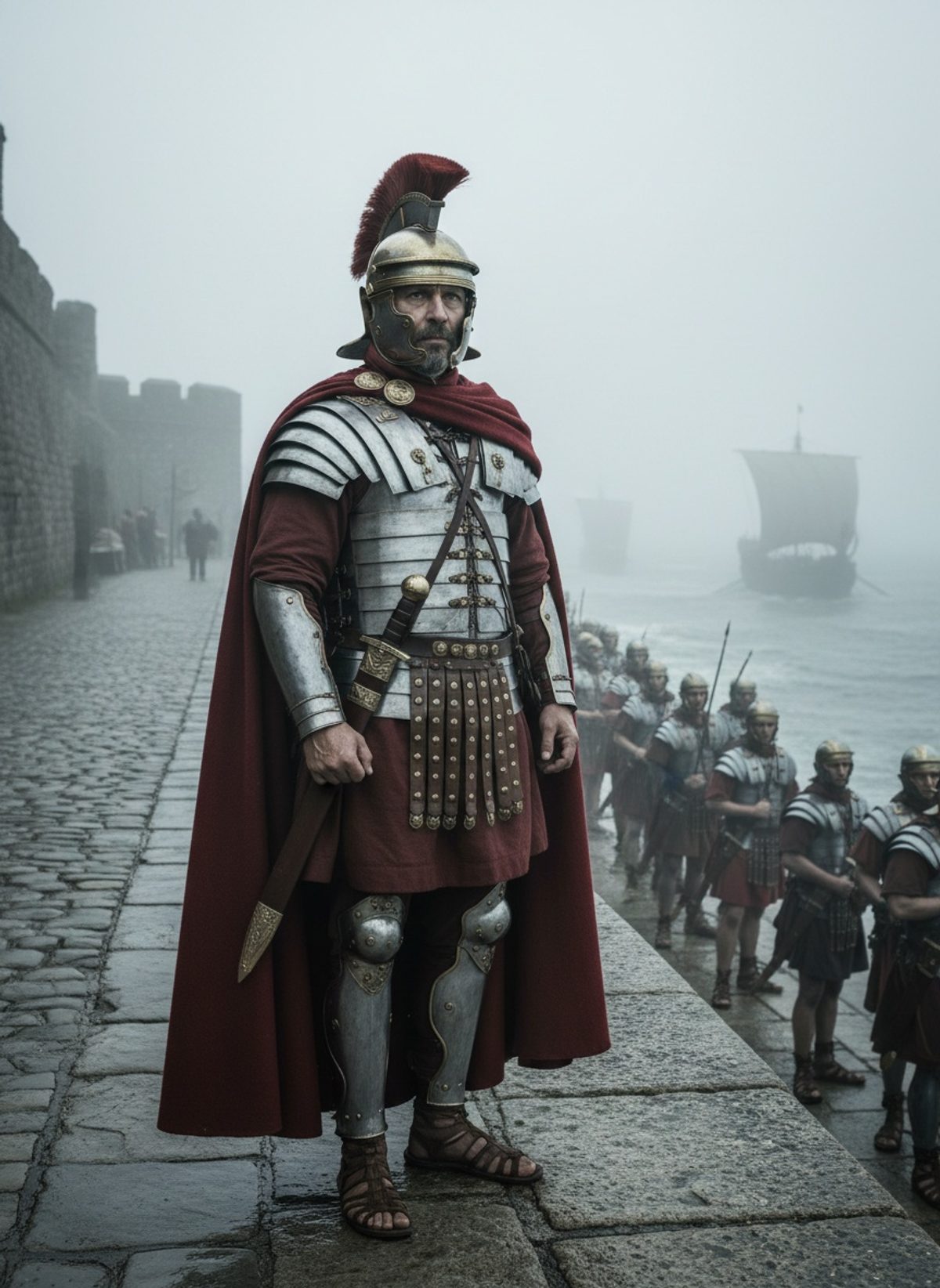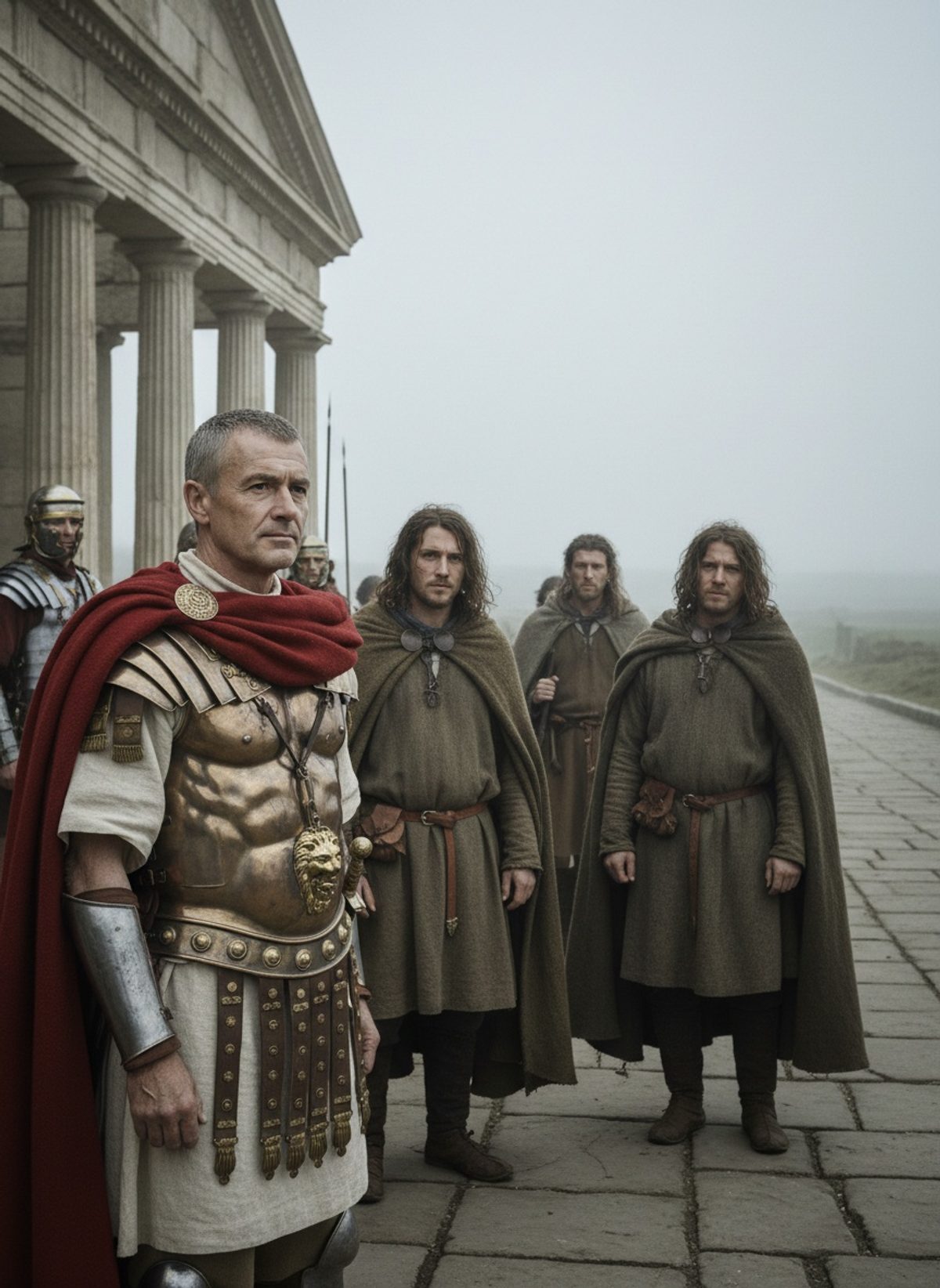
The air was thick with anticipation and the earthy scent of damp soil as Gnaeus Julius Agricola raised his hand to silence the uneasy murmur of his troops. The morning fog clung stubbornly to the land, ghostly tendrils weaving around the assembled Roman soldiers and their wary Briton captives. The northern campaigns had been arduous, brimming with skirmishes and sudden attacks from the shadows of Caledonian forests. Yet on this day, amidst the mud and chill typical of the British Isles, Agricola made a decision that would echo through the annals of history.
Beyond Conquest
In the eyes of Rome, the governor Gnaeus Julius Agricola had performed a veritable miracle. By 83 AD, Britannia was predominantly under Roman control, and the northern tribes that dared defy the eagle’s might had finally been subdued. Romans expected an old-world conquest: blood-stained, iron-fisted, with populations enslaved and their lands thoroughly Romanized. It was the creed delivered from Rome's most ancient strategies — to conquer was to assimilate entirely. Yet Agricola defied these expectations with a rare, almost subversive restraint.
Agricola's vision veered away from the customary blueprint. Instead of decimating the spirit of the conquered, he sought to uplift it. He could have pressed his victory to its brutal end, demanded the subjugation of these resilient tribes through oppression and slavery. Roman law afforded such authority without question. Yet, instead of chains, he offered a helping hand. The governor's enduring legacy in Britannia lay not only in its conquest but in its cultivation. He famously commissioned the construction of civic infrastructure: roads to bridge towns, forums to foster dialogue, and most notably, schools to instill knowledge.
Historians often cite the establishment of Roman education as Agricola's most ingenious form of governance, targeting the youth who would come to view Roman ways not as an imposition but as an opportunity. This nuanced approach resonated well beyond Roman administrative needs; it fostered a sense of peace and mutual respect. From the exterior, it seemed like a benevolent gift. But beneath its surface, Agricola's vision was also deeply strategic. By imparting an education infused with Roman ideals and equipping the Briton elite with its language and customs, he was creating a bridge. A bridge of understanding, resilience, and, in many, acceptance of their Roman overlords.
Read next: The Day a Roman Centurion Freed His British Slave
The Road Less Travelled
For a culture as steeped in militaristic discipline as Rome, Agricola's strategy was nothing short of maverick. His approach to governance circumvented turmoil and revolt — the perpetual shadows that loomed over any imperial power. Instead, Agricola dug deeper into the soul of Brittania, finding ways to coexist rather than extinguish. This had its inherent risks, of course, as any governor loosening his grip on such power could conceivably invite chaos. But Agricola seemed fueled not by control but by a genuine curiosity and respect for the cultures he encountered.
This desire to better understand the people of Britannia was reciprocated in smaller, yet profoundly meaningful gestures. Soothed by Agricola’s fair treatment, even former adversaries began to approach him with respect, seeing within him not just a conqueror but a leader who valued their existence beyond mere submission. Through conversation, trade, and education, a new tradition of peace fostered life where there could have been only strife.
Tacitus, Agricola’s son-in-law, portrays him in a manner few Romans would have enjoyed — a model provincial governor. To many scholars, Agricola's legacy transcends the label of conqueror. It marks him as a pioneer of a distinct kind of governance that walked the tightrope between benevolence and authority. Yet his methods did not merely change the Iberian landscapes physically; they altered the hearts of its inhabitants, enduring long after the Roman Empire itself began to decline.
Reimagining Power
In the silence following Agricola’s fateful announcement that foggy morning in 83 AD, a new form of victory emerged in Britannia. While the empire's emblematic legions remained ready to enforce his will, Agricola chose dialogue over domination. His move to liberate those he could imprison, to carry forward not just his armor but his spirit of understanding, set a new course for Roman governors henceforth.
Agricola’s story reflects a pivotal moment where the weight of an empire chose to inform and ally, rather than subjugate through fear alone. While shadows of war certainly lingered at times in the periphery, his vision of integration over imposition persisted. As weapons rested and treaties formed, a transformation unfolded that would ripple throughout history. Where there could have been bitter insurrection, a fortuitous peace took root.
The roads and structures he left behind speak with stone and mortar of a Roman presence, but the schools and cultural exchange speak of something deeper. Agricola left behind a model of nuanced leadership, advocating for respect and cooperation over sheer dominance. It is a reminder that in facing sword or slate, progress is often made not in the might of arms but in the courage to seek shared understanding amidst conquest. In many ways, Gnaeus Julius Agricola’s decisions on that day allowed both conqueror and conquered to walk forward together into a future echoed yet in the shared legacies of our present.