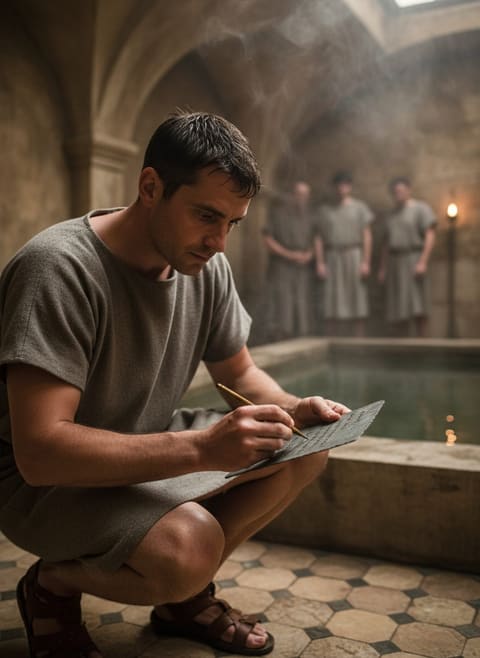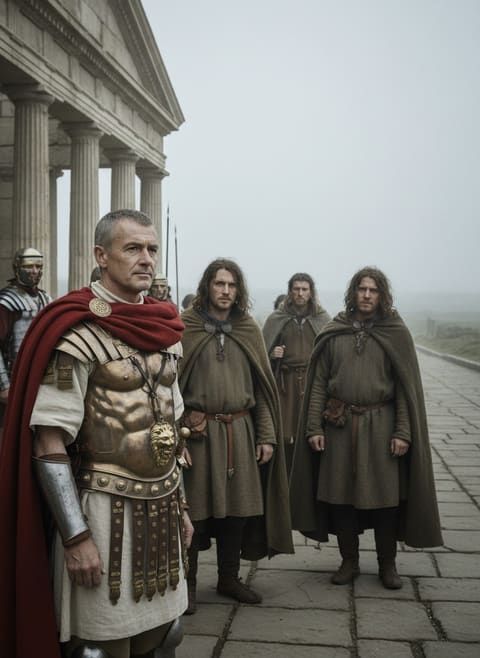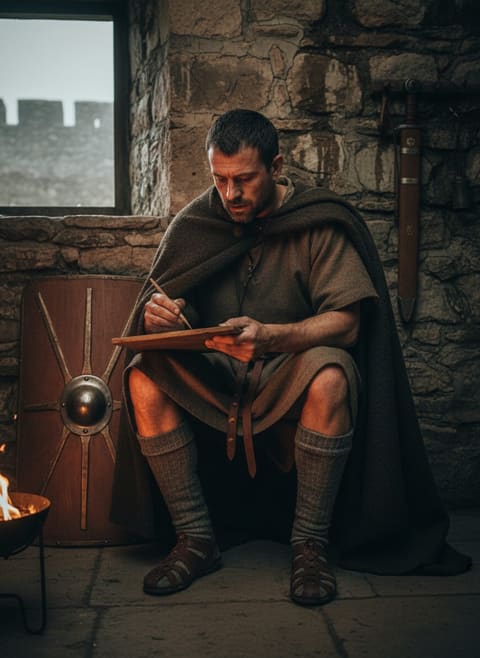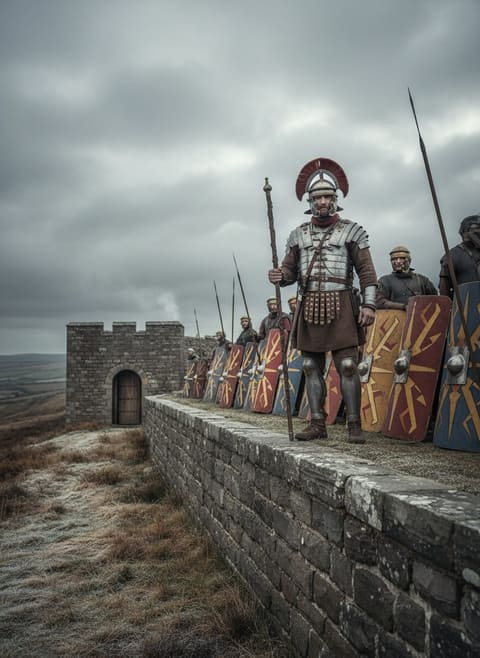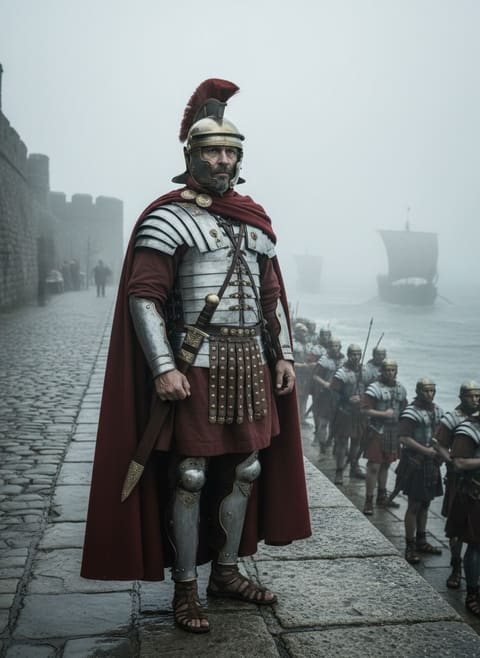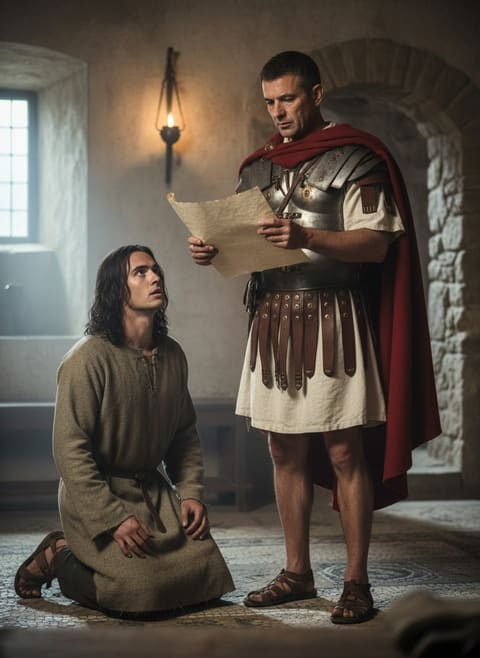
A Roman soldier considered Britain home. But he was from a world so different, it’s almost alien.
The Mystery of Vindolanda
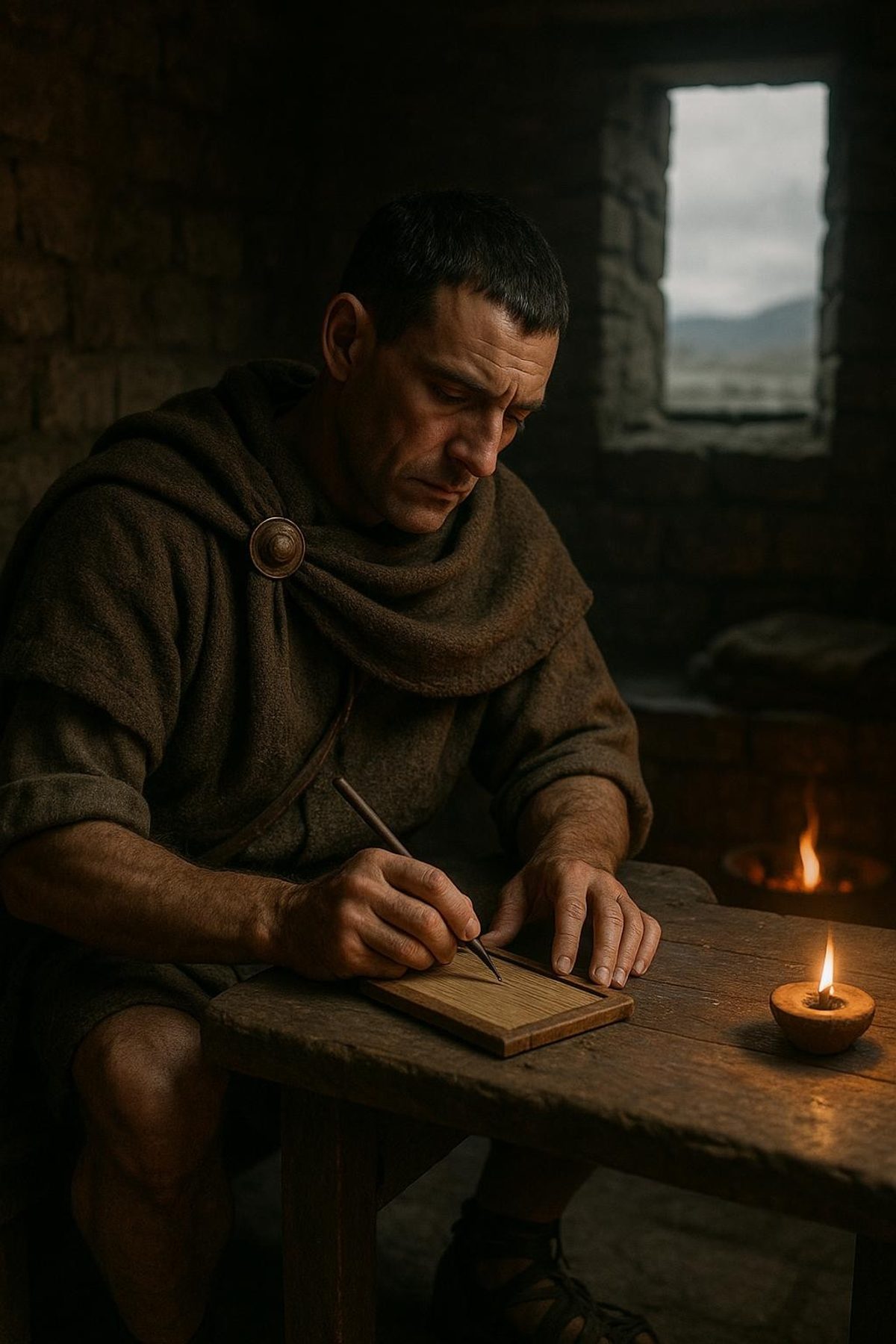
Nestled near Hadrian's Wall in the chill of northern England, Vindolanda was a frontier garrison. It was here in the early days of Roman Britain, around 100 AD, that soldiers who had journeyed from warm Mediterranean climes faced the relentless damp and cold of Britain. These soldiers, tasked with the defense of the empire's fringes, found themselves fighting an environment as formidable as any foe. Among them was a soldier whose personal words, inscribed on a humble wooden tablet, have survived millennia to give voice to his life on this distant edge of civilization.
This tablet, unearthed from the miry remnants of Vindolanda, offers not just a record of military logistics or political edicts, but something far more human: a personal plea for comfort. The soldier’s request, simple yet profound, sought the warmth of socks, the comfort of underwear, and the familiar solace of wine to combat the pervasive cold. In only a few brief words, this request carries the weight of longing and adaptation, a deeply human experience relatable even thousands of years later.
The Soldier's Life on the Edge
The life of a Roman soldier stationed in Britain was harsh. Far from the bustling streets of Rome, the empire’s splendor seemed a distant memory. Instead, soldiers were presented with endless stretches of rugged hills and the biting winds sweeping across them. Days were shaped by the rhythm of drills, fortifications, and vigilance. For these men, constructions like Hadrian’s Wall were not just symbols of Roman might, but work sites where they spent countless hours.
Read next: The Day a Roman General Knelt and Spared a British King
Despite these conditions, the garrisons like Vindolanda were bustling microcosms of the empire, enriched by the diverse blend of cultures and individuals hailing from as far as Rome, Gaul, or North Africa. With them, they carried stories, dialects, and customs that mixed on the British frontier, creating a patchwork society bound by the discipline of Rome yet distinctly touched by the local surroundings.
A Letter Across Time
The soldier’s tablet not only illustrates the necessities of life but also unveils an aspect of connectivity that spanned the empire. His appeal for mundane comforts reveals a network of communication that defied distance, engaging friends or family still flung across the continent. The act of writing itself was a bridge over leagues; each crafted word was a thread connecting him to a faraway home he might never see again.
Wine, a central element of Roman life, symbolized far more than relief from the cold; it was a taste of the homeland. The plea for warmer garments spoke to an unfamiliar climate that even the most disciplined soldiers could not tame. Each item on his list was more than a physical need; it reflected a desire to retain his identity in a land eager to overwrite it.
In the Step of Roman Sandals
Gladitus in hand, the soldier and his comrades stood as the first line of defense against raids from the north. The earthy trails and windswept trenches bore witness to their vigilance. Their life was driven by schedules of watchful silence, tactical maneuvers, and constant construction. In the midst of such lives, the small comforts became treasured lifelines, imbuing the cold stone barracks with the warmth of personal connections.
Read next: The Day a Roman Commander Knelt and Freed a British Chieftain
Yet, it was not just indigenous resistance that threatened; the very separation from their origins played an equally potent role in their struggle. It might be imagined that this soldier, like many others, waited eagerly for letters, tokens, and supplies from the south—or as far away as Rome. In the absence of these, it was comradeship with fellow soldiers that forged a new kind of home, where shared hardships and victories bound them as tightly as blood.
Enduring Words in the Mist
Today, the soldier’s words are preserved as an enduring whisper from antiquity, a reminder of the human condition, transcending cultures and eras. They were never intended for immortality, yet their survival down the centuries testifies to the timeless need for connection, identity, and adaptability. The small tablet echoes louder than any grand monument, highlighting a personal saga amid the vast tableau of history.
As we step back from this ancient scene, we ponder why this missive, out of many, endures with such resonance. Perhaps it is because in its simplicity, it captures a shared human experience: living at the edge of what is known, forming ties, and ultimately, finding a home far from home. Through these words, the soldier lives on, offering a lesson not in warfare or diplomacy, but in humanity. In that, his legacy is secure—as warm and real as the socks for which he longed.