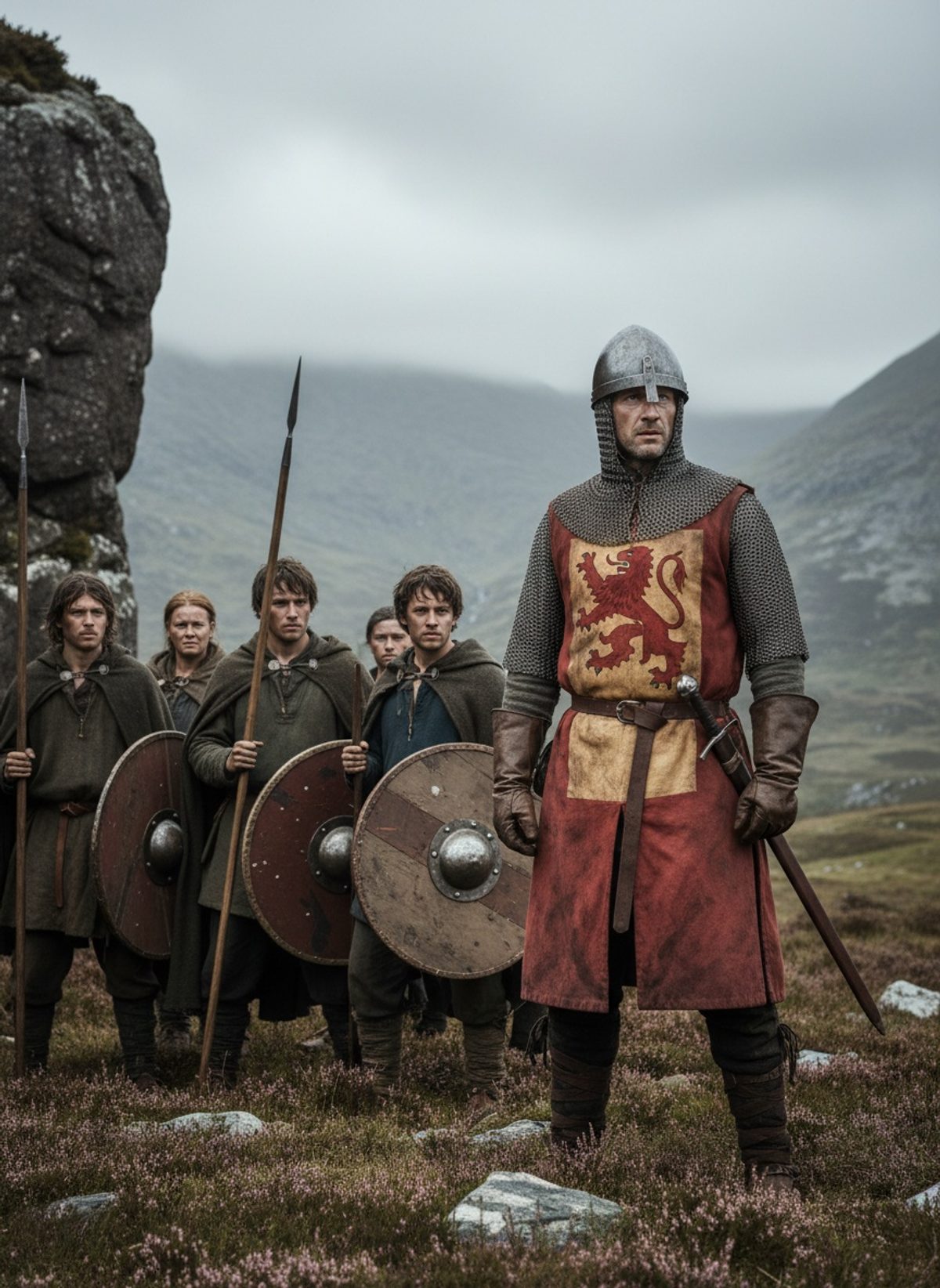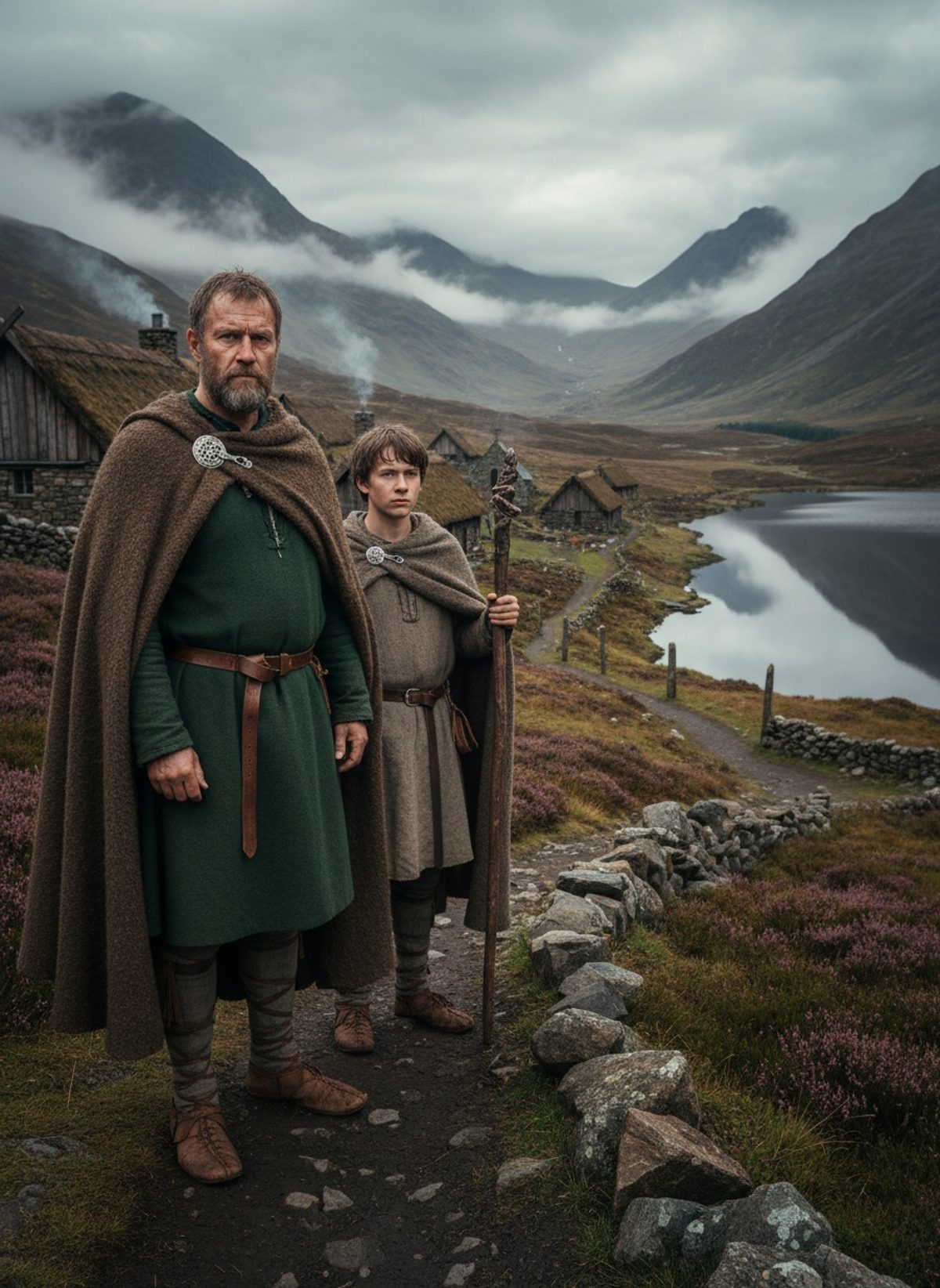
They called it Tor, a name given by the Norsemen who once roamed this rugged land. But the people of this village had another idea, one rooted in defiance and identity.
The Power of a Name
In the heart of Medieval Scotland, somewhere between the years 1214 and 1286, a small village wrestled with the burden of its identity. Names, as the locals understood, were more than mere labels. They were stories, manifest in sound, pulled from the very essence of the lands they described. Villages like theirs bore names bestowed by Viking marauders and nameless Pictish tribes alike, markers from old realms now hidden beneath the moss of centuries.
Amid the shifting sands of medieval geopolitics, this village was a microcosm of cultural intertwining. Norse, Gaelic, and Pictish influences were etched across their lands, each linguistic layer a silent testament to past conquests and forgotten tribes. The Norse had dominated, branding much of Northern Scotland with their own hard-edged syllables — places like Tor. For the residents, the name felt like an echo, detached and unrepresentative of the lives they led. In response, the villagers united to forge a name that resonated with their spirit, a move that was remarkably bold for the era.
A place’s name signified more than geography; it was deeply personal, entwining with one's lineage and history. Names carried the weight of legends, real or imagined — they sang of battles fought and lands tilled. Thus, the villagers, a tapestry of interwoven histories from displaced strands of Gaelic and Pictish descent, gathered in whispered assemblies where the Norse dominion waned. Their rebellion against the Norse convention culminated in choosing a new name. And perhaps the most surprising part? They retained it, long past the authority of the names that came before. This act marked one of the first known instances of a community collectively asserting its linguistic sovereignty.
Read next: The Day a Scots Minister Stood in a Plague Town and Refused to Leave
The Language of the Land
To understand why this medieval village's decision carried such weight, one must delve into the linguistic landscape of Scotland during this time. This was a period before maps or recorded addresses; the names of places not only captured locations but also the interplay of relationships, a matrix of stories and the whispered will of its inhabitants. Gaelic speakers, who spoke a language imbued with poetry, named regions after the striking geography and divine resemblances they saw, spinning myths into reality with their very words.
Contrarily, the Norsemen often imposed their practical, navigational nomenclature, reducing vast, storied lands into directional aids. This provided settlers with quickly understandable landmarks but left little room for the romantic or the poetic flourishes cherished by the native peoples whose lands they occupied. Yet, in the depths of the timeless glens, vibrant pockets of resistance existed, where the oral traditions persisted in subversive acts of storytelling.
A crucial element in this village’s defiance rested on the Gaelic revival. Language was a key marker of identity and played a critical role in the larger tapestry of Scotland's cultural resilience. During this period, Gaelic was spoken widely across the Highlands and Islands, carrying with it a rhythmic cadence that seemed to echo the land’s undulating landscape. By reclaiming the name of their village, the people sent a resounding message that their identity and traditions would not be quashed so easily.
The Shadowy Chronicles of the Past
Despite their victory in naming, or perhaps in part because of it, the story of this small village remained largely forgotten, like many minor pebbles worn down to sand in the tide of history. Yet, its legacy remains, held in the words that continue to shape Scotland's identity even today. The decision to name — to defy imposed labels and instead pick a story-rich designation rooted in cultural significance — offers a rare glimpse into the power dynamics of medieval Scottish life beyond the turmoil painted by border wars and royal legacies.
This was a time of profound societal transformations. Between the rule of William the Lion and the eventual Wars of Scottish Independence, communities struggled with land rights amidst fluctuating allegiances and political landscapes. Engraved deeply within this societal transformation was the enduring human penchant for naming, an act of claiming and reclaiming.
The village that once bore the generic "Tor" became a whispered muse for future generations. It captured the hearts of a people seeking autonomy in identity in a world that told them to conform. It persists as a symbol, not only in defiance of foreign occupation but as a reminder that identities are crafted — not commanded. In essence, this quiet rebellion is not simply a footnote erased by time but a calling out across centuries. It asks modern-day readers to ponder: in a world where the giants of emigration and globalization can overshadow individuality, how do we choose to name ourselves, and at what cost do we allow others to do it for us?