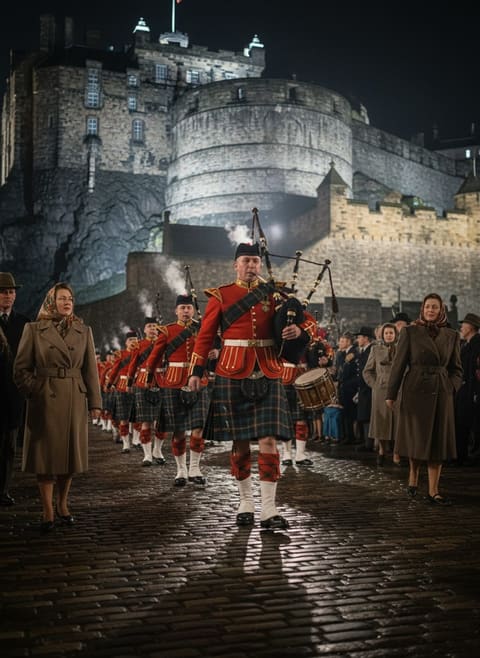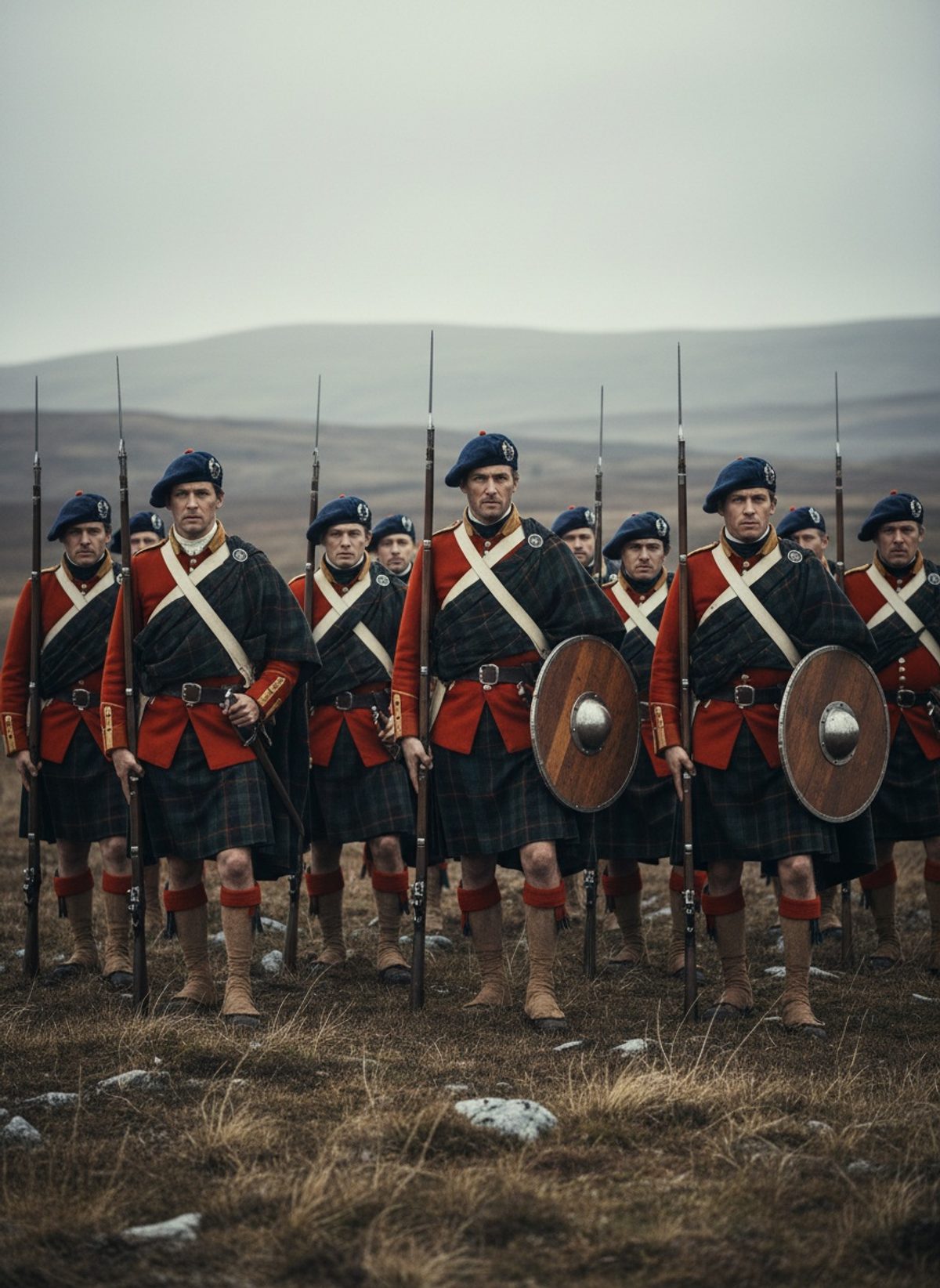
November 11, 1743. The damp chill of a London morning seeped into the bones of 109 Highland soldiers stationed far from home. These men of the newly formed 42nd Regiment, clad in tartan and hope, found their world reshaped by a promise unkept, a betrayal that began with royal words and ended with blood on Tower Green.
The Promise of Peace
In 1739, the soaring Highland glens echoed with a proclamation: King George II sought to bring peace to the tumultuous hills of Scotland. Aware of the Highlands' fierce clans and their legendary loyalty, the Crown envisioned a regiment that could keep the peace at home, a force uniquely Scottish, proud and steadfast in its duty.
The initial offer was tempting. Six independent companies of Highlanders, men of great renown and skill, were brought together with the assurance they would serve solely in Scotland. The prospect of a secure Highland regiment, one that could patrol their own land and protect their own people, drew many to rally under the king's banner.
The royal promise was both clever and deceitful. By framing the regiment as a local force, the king aimed to channel the unruly Highland spirit into a disciplined military unit, one that would remain loyal to the Crown and bind the wilder hearts of the North into the greater good of the empire.
Read next: The Day a Scots Girl Rowed Into a Storm and Saved a Prince
The Bitter Truth
Two years later, the morale of the regiment was tested as they embarked on what they believed to be a mission of review by their sovereign. But this so-called review journeyed them not north to familiar grounds of heather and heath, but instead across the Channel to Flanders. The Highlanders, once promised the life of peacekeepers, were now soldiers destined for the battlefields of the Continent.
It was here, amidst the foreign lands of Europe, they were informed of their true fate: to fight in wars that were not theirs, to serve in lands unknown, far removed from the kin and clans they had vowed to protect. The realization of betrayal unspooled into a fury that coursed through the regiment like wildfire.
Highland pride turned to defiance as whispers of unrest grew into the brave step of returning to their homeland. Led by determined ringleaders, 109 of their number heeded the call of the North and left the ranks, setting off for the long march back to Scotland.
The Return March
Their odyssey home was not simple. Exhausted and on foot, they traveled through the heart of England, strangers marked by the distinctive tartan that should have ensured respect but instead incited suspicion. Every step north was fraught with peril, the Crown's forces in pursuit, the law branding them as deserters rather than heroes.
Read next: The Highland Law That Tried to Erase a Clan From History
In the end, their journey was curtailed brutally before it could reach its hopeful end. Intercepted and captured, the rebellious Highlanders were brought back to face justice in London, not as brave men returning to protect their own, but as traitors. The iron of shackles was a stark contrast to the once-proud glint of their clan badges.
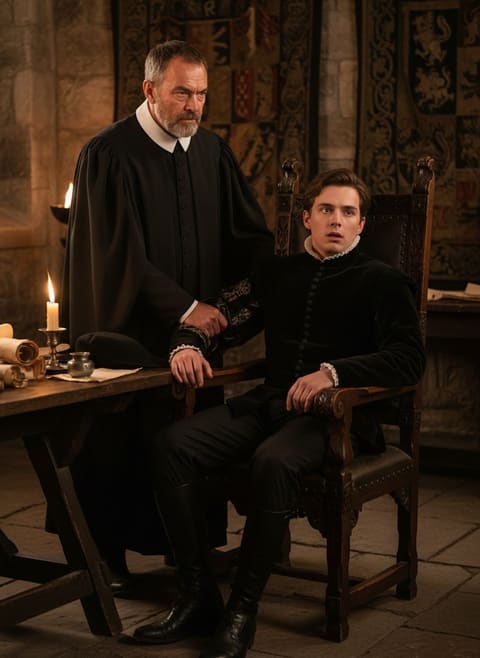
In a grim theatrical flourish, three of the ringleaders were tried and executed on Tower Green. Their deaths served as a chilling reminder of royal authority, a testament to the severed thread of trust between the King and his Highland subjects.
The Unquiet Legacy
Thus concluded this grim chapter of deception that turned kin against king. The lesson learned played a significant role in future military endeavors where promises, if not made to be kept, at least reminded all involved of the peril of falsehoods.
This fracture had broader implications, reverberating through subsequent recruitment strategies and subtly shifting the dynamics of trust and loyalty. The tale of the Highlanders of the 42nd stands not just as an episode of broken promises, but a cautionary account: The loyalty of the heart cannot be commanded by the decree, nor can the spirit of the Highlands be easily contained.