Siward of Northumbria won a battle that few remember. Yet, his victory carved a legend that still lingers in silence.
The Command from a King
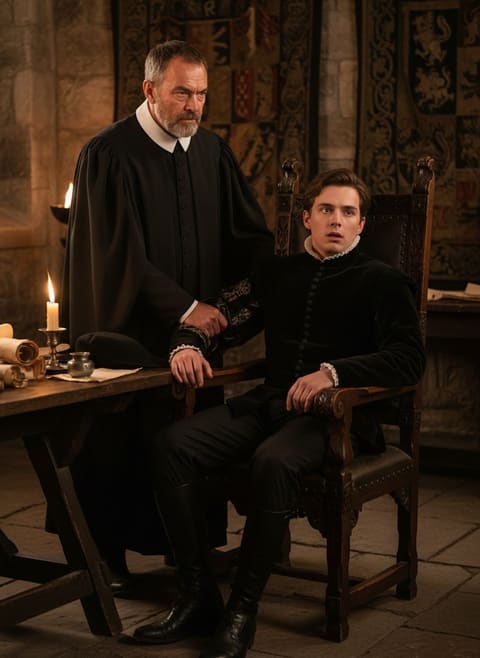
In 1054, a call to arms echoed across the earldom of Northumbria. King Edward the Confessor had issued an order, summoning Siward, the formidable Earl of Northumbria, to march north. His mission was bold and perilous: challenge the reigning power of Macbeth of Scotland, whose name has drifted into notoriety thanks to a certain playwright centuries later. But make no mistake, this was not theatre; it was a brutal struggle for dominance.
The political landscape of early medieval Britain was a patchwork of fragile allegiances and simmering vendettas. Edward, eager to assert influence over Scotland, saw an opportunity to install Malcolm, son of the dethroned King Duncan, as king.
To accomplish this, he required the sword and might of Siward, whose reputation as a war-hardened leader preceded him. Siward's decision to heed this call was as much about duty as it was about maintaining his standing in a kingdom where loyalties were often as treacherous as they were shifting.
Read next: The Highland Law That Tried to Erase a Clan From History
March to the Unknown
The campaign against Macbeth saw Siward leading a formidable force up the spine of Britain, his sights set on a domain where the terrain and weather could be as lethal as any foe. It was an ambitious march into lands that bore the scars of countless clan battles and Roman legacies fading in the mists of time.
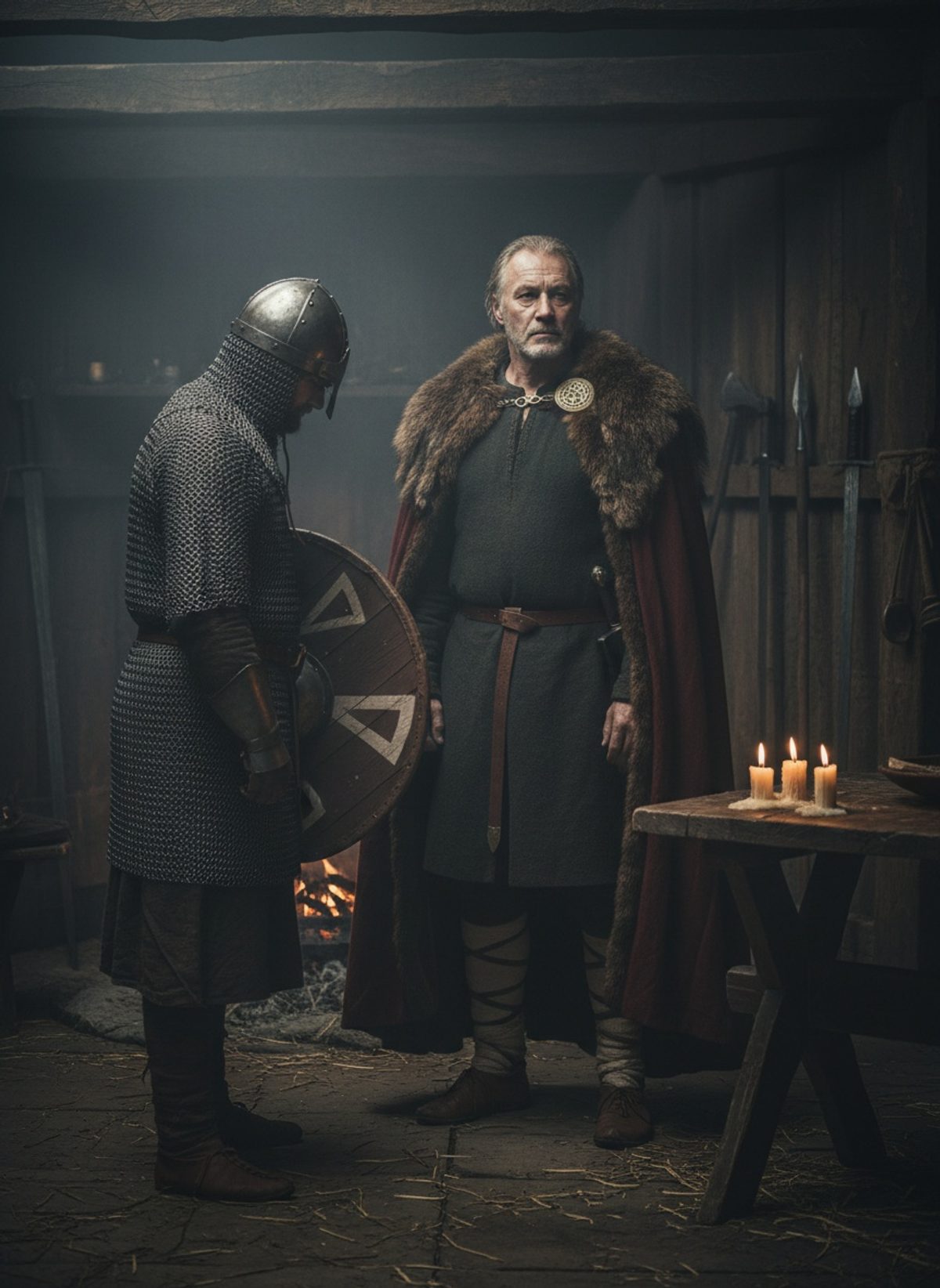
For Siward, the road ahead was one he would traverse with grim determination. By his side was his son, Osbeorn, the embodiment of his legacy and hopes for Northumbria’s future. Together, they marched north, embracing a fate shrouded in uncertainty.
Crossing into the Scottish heartland, Siward's army was confronted by the unsettling vastness of its wilderness, where the rolling hills dipped into shadowed glens. The strategy involved was not just martial might but the challenge of logistics, with the necessity to maintain supply lines through a harsh and resistant landscape. This was not merely a battle against Macbeth, but against the elements and the unpredictability of war in its rawest form.
Clash at Dunsinane
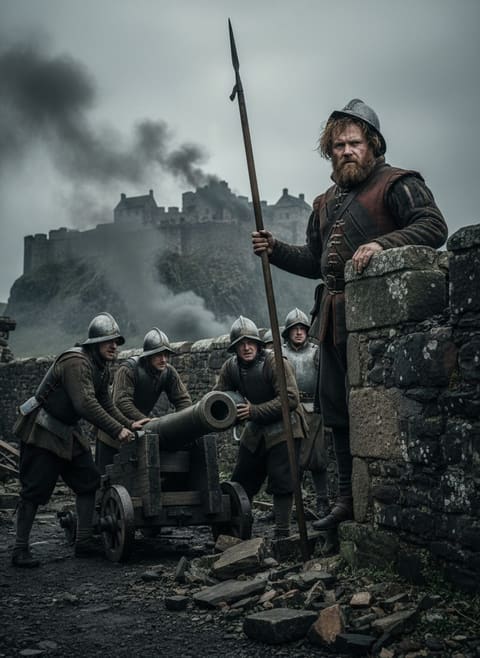
Their encounter culminated in the infamous Battle of Dunsinane. History has largely forgotten the details, overshadowed by the bard’s fictionalized retelling, but the reality was far bloodier than any script. Warriors faced each other amidst the screams and clangor of conflict, each side entrenched in a fight driven by both loyalty and survival.
In this brutal test of arms, Siward and his men clashed with Macbeth’s forces in pitched combat. The battle was fierce, the din of steel on steel echoing across the heather-clad fields. It was in this chaos that young Osbeorn found his end—a warrior’s death that marked the bitter cost of conflict. For Siward, victory arrived stained not with glory, but with the blood of his lineage.
In the Shadow of Loss
Upon hearing the news of his son’s death, Siward's reaction was famously stoic, embodying the harsh ethos of a hardened era. His words, simple yet profound, when told that Osbeorn had died well, reverberated down the corridors of time: "He died well." These words, stripped of embellishment, conveyed a complex tapestry of pride, grief, and acceptance. They encapsulated an age where personal sacrifice was woven tightly with honor and duty.
Read next: The Day William Wallace Refused to Bow and Faced the Block
Siward had won the battle but at an unbearable personal price. The throne Siward secured for Malcolm with his victory might have held promises of political reward and stability, but they were cold comfort against the warmth of his lost son. The victory that once bore the crown of expansion was now a heavy burden etched in paternal sorrow.
A Legacy Carved in Stone
The story of Siward’s northern march and the price it exacted endures in a quiet corner of history. It is a tale enshrined not in the details of battle strategy or kingly ambitions, but in the enduring weight of a father's sacrifice.
In some ways, this campaign was a harbinger of the relentless tides of history, where battles and boundaries shift but the cost remains ever-present. It forces us to reflect on the unyielding dichotomy between the pursuit of legacy and the personal toll exacted by history’s inexorable march.
Siward’s tale reminds us that the true stories of old are stitched with heartache as much as heroism. As a figure obscured by the fog of legend and lore, the Earl of Northumbria stands amidst the echoes of history, his legacy etched in the price paid on a battlefield long forgotten.