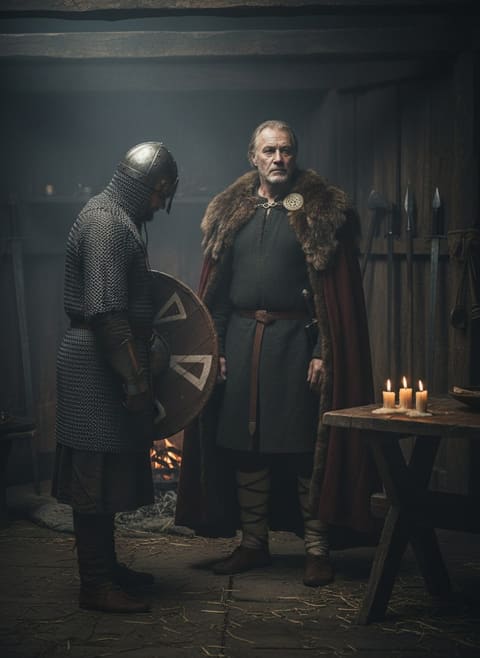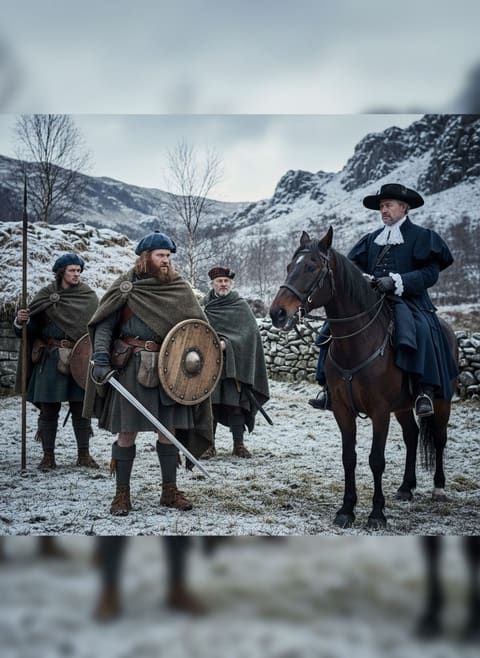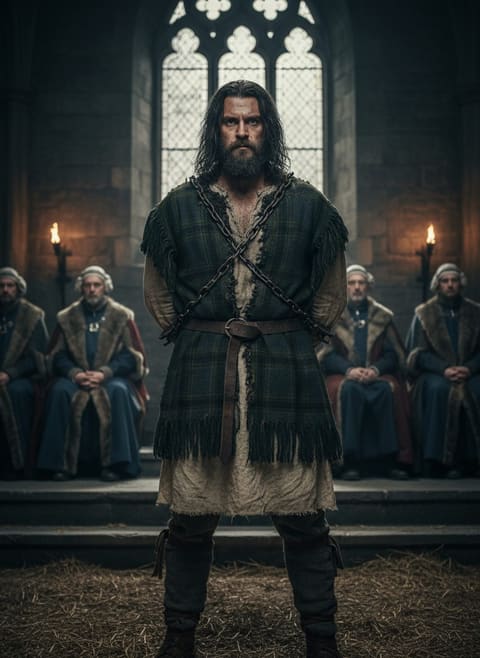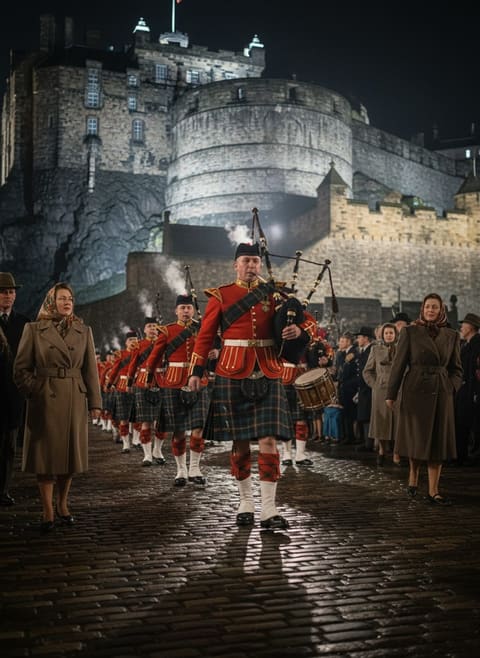
They called him "Butcher" Cumberland, yet his battle scars weren't earned on the front lines. He was a princely puppet master, commanding his troops from atop a hill, untouched by sword or blood, when he changed the fate of the Scottish Highlands forever. The echoes of his ruthless legacy linger in the hills and valleys, a stark reminder of what followed the Battle of Culloden.
The Prelude to Destruction
April 16, 1746, marked the end of the Jacobite dream to reclaim the British throne. On the windswept moor of Culloden, the decisive battle between the forces of Charles Edward Stuart, known as "Bonnie Prince Charlie," and the troops commanded by Prince William Augustus, Duke of Cumberland, commenced.
It was over in less than an hour. The Duke, just 25 years old, was less a military genius than a hammer striking down on a vulnerable anvil. His army, far superior in number and artillery, quickly shattered the Jacobite forces, leaving the moor red with the blood of hopeful Scots.
Culloden was meant to be the final blow to the Jacobite uprising, but for Cumberland, the real campaign was just beginning. He stood unscathed as he ordered the pursuit of fleeing Highlanders, leaving no stone unturned in his quest to stamp out dissent. Yet, the battle's immediate aftermath was but a prelude to the systematic campaign of terror that would follow.
Read next: The Night the Lords of the Isles Fell and Scotland Changed Forever
The Aftermath: Orders of Doom
While the battle reached its grisly conclusion on that April morning, Cumberland’s instructions launched an unforgiving offensive against the defeated and scattered Highland clans. The infamous Cumberland soon etched his epitaph in the annals of history through the pitiless orders he gave in the following weeks. The "pacification" of the Highlands sought not just military control but cultural obliteration.
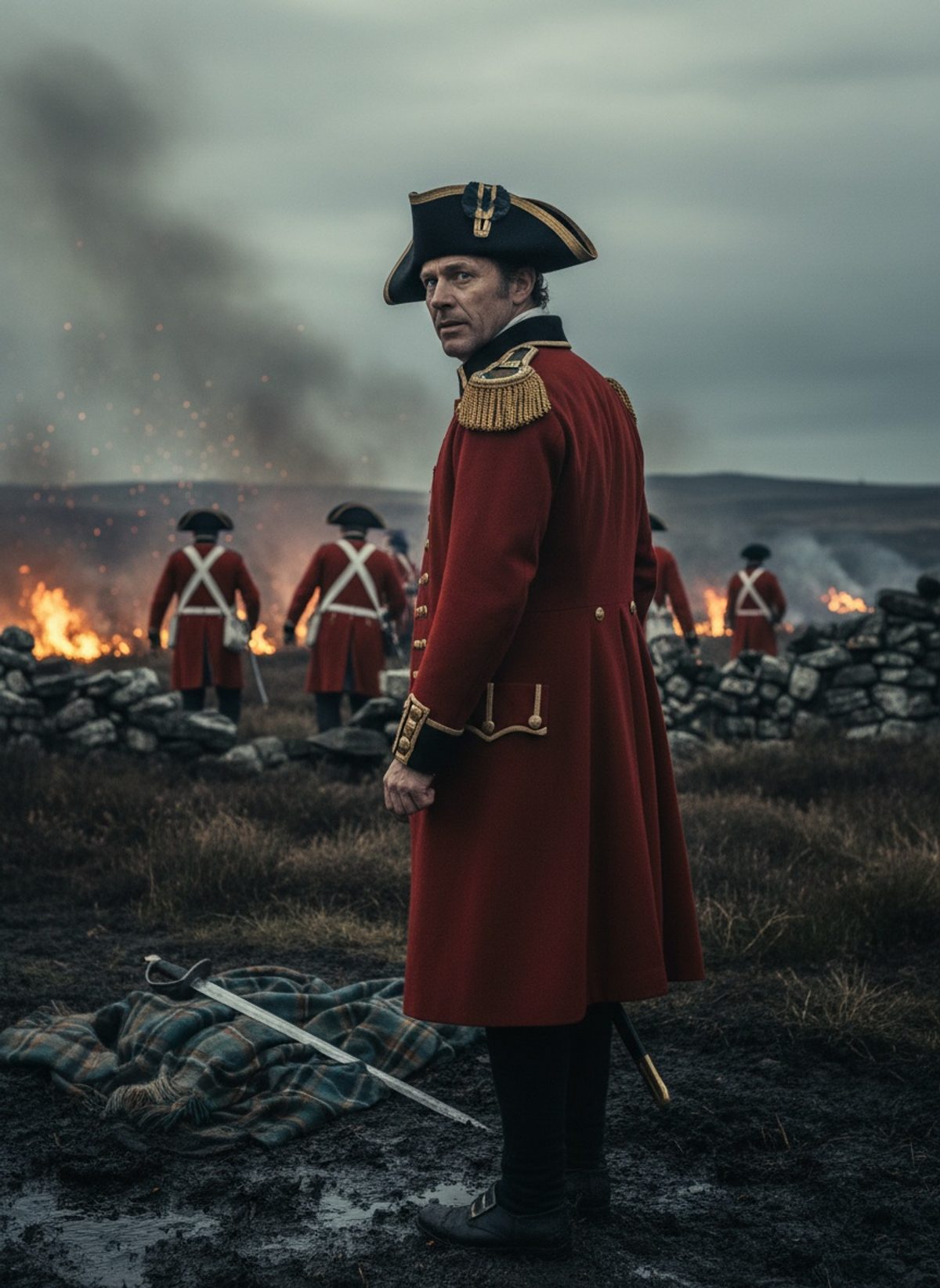
Historically characterized by their resilience, rich traditions, and independence, the Scottish clans found themselves outlawed both literally and symbolically. Cumberland ordered his men to roam the countryside, burning townships to the ground and executing suspected Jacobite supporters on sight. No wounded soldier was spared. If they could not be killed by sword and shot, they were bayoneted or left to die in the open air, with no quarter granted to the injured or dying.
His ruthless efficiency did not stop with the physical. The embodiment of Highland culture, the tartan, became one of many casualties in Cumberland’s campaign. With the passing of the Dress Act of 1746, Scottish attire was criminalized, reducing once-proud clans to the anonymity of plain English dress, effectively eradicating visible symbols of cultural identity.
Beyond Battle: The Stranglehold Tightens
The weeks following Culloden became dark years for the Highlands. Cumberland’s reign of terror extended beyond military actions to a broad assault on the social fabric of Scottish life. Church buildings that harbored Jacobites were desecrated; cattle, the livelihood of many Highlanders, were confiscated or slaughtered, leaving villages to starve. With the help of government-enforced laws like the Heritable Jurisdictions Act, the traditional clan system was dismantled, creating a vacuum easily filled by English control.
The Duke's actions had the unsanctioned yet implicit support of his father, King George II, who lauded his son as a hero of the realm, a man who had saved Britain from a papist rebellion. While English accolades painted him as a protector, his iron fist choked the Highland spirit, forever branding him as "the Butcher" in Scottish lore.
The Human Toll: A Land Changed Forever
As conflict settled into a cruel peace, the landscape of the Highlands transformed. Families previously allied with the Jacobite cause found themselves destitute and displaced. Some fled to the safety of mainland Europe or across the turbulent Atlantic in search of a new life away from a nation that had turned hostile overnight.
Read next: The Highland Regiment Born From a King's Broken Promise
Emigration surged, with the once indomitable clans scattering to corners of the world like leaves in the autumn wind. Those who remained faced the loss of not just land and livestock but a distinct way of life, as ancestral governance disappeared, erased by acts of law designed to ensure compliance with the crown's authority.
The Indelible Scar on Scotland
Today, the name of the Duke of Cumberland remains a specter over the Highlands, a reminder of the repression that followed Culloden. Roads that once pulsed with the vibrant life of clan societies became silent monuments to the lost and fallen. Tales of the atrocities committed under Cumberland's orders enshroud the moors like a persistent mist, part of a shared memory that transcends generations.
In reshaping the battlefield into a land cleansed of its past, Cumberland instilled a harsh lesson about power and cultural survival. The aftermath of Culloden stands as a poignant example of how victory on the battlefield can transform into moral defeat, serving as a reminder of the destructive potential of unchecked authority.
Centuries may have passed, but the story still reverberates through history, urging reflection on the high cost of conquest and the resilience of cultural identity in the face of annihilation.