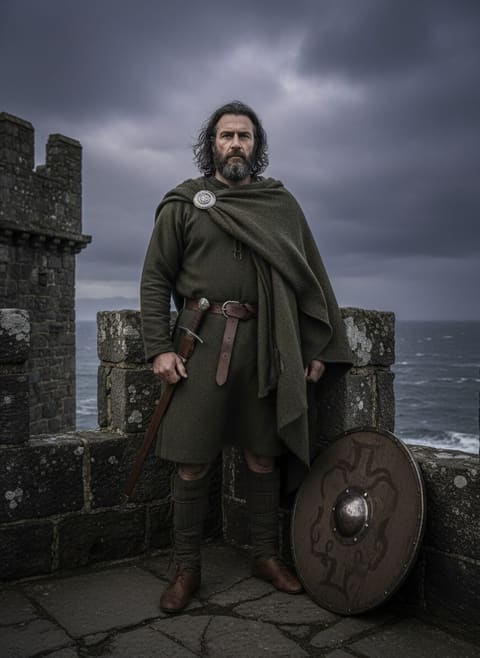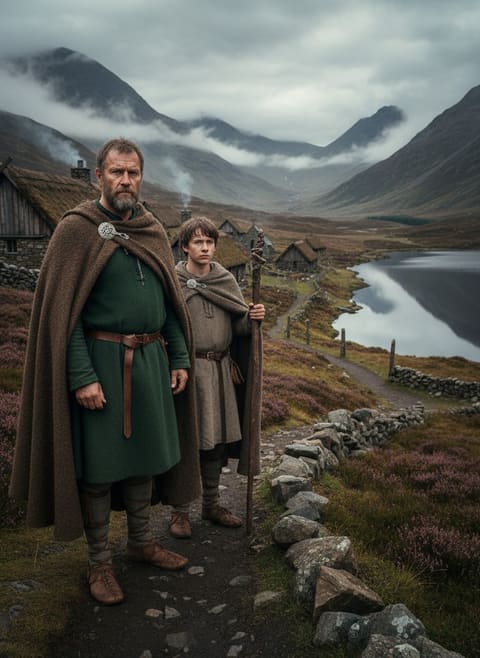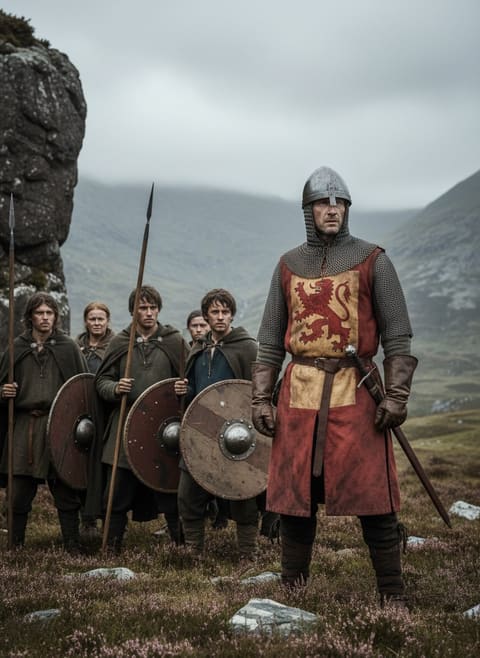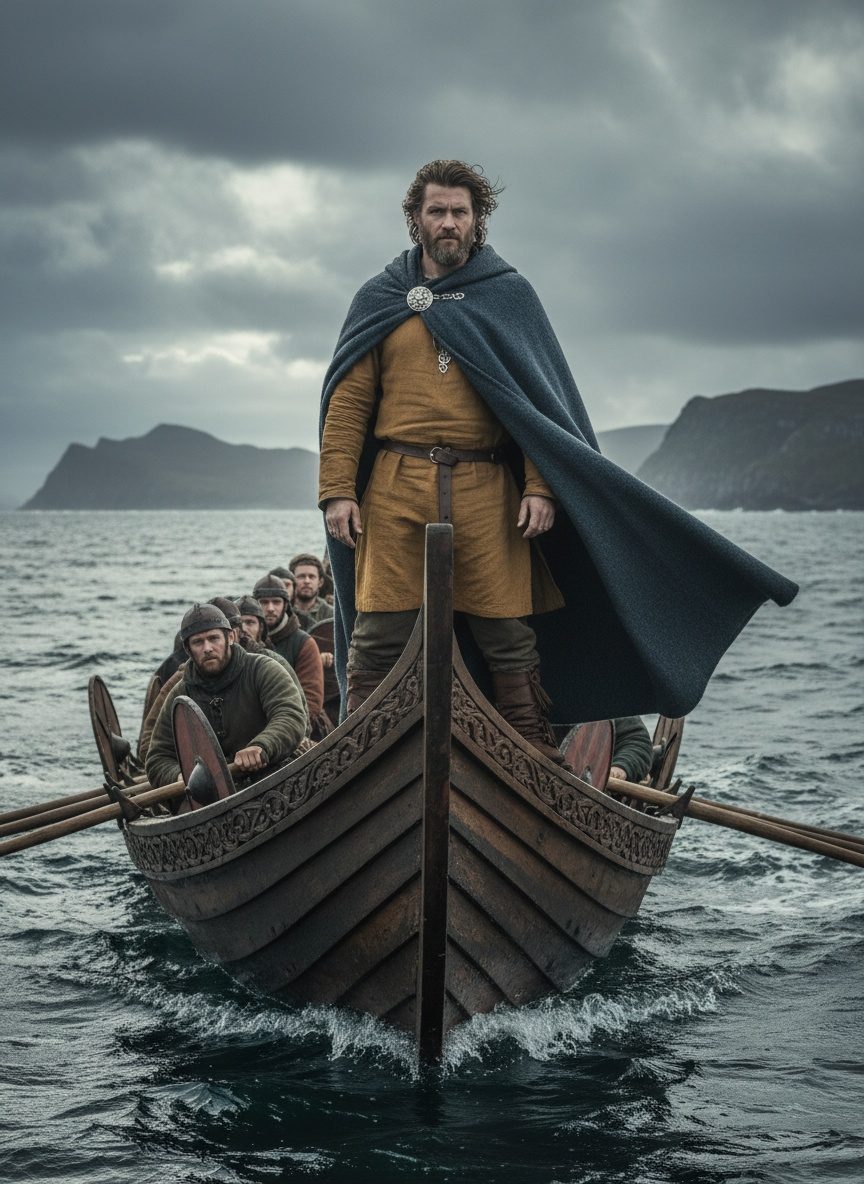
The sea mists rolled in thick over the Hebrides, cloaking the rugged coastline in a veil that separated the mainland from its distant echoes of Gaelic past. The rhythmic crash of waves against jagged rock filled the air with a primordial hymn, a testament to the enduring dominion of the Lords of the Isles. For two hundred years, these ocean rulers held sway over the western seas of Scotland, their autonomy seemingly as eternal as the tides. Yet, in 1493, a single decisive move by James IV of Scotland would unravel centuries of semi-independence, forever altering the history of the Scottish isles.
The Rise of a Seafaring Dynasty
The power of the Lords of the Isles began with Somerled, a Norse-Gaelic warlord who, back in the 12th century, harnessed the sea as his domain. His descendants, the Clan Donald, nurtured this legacy, expanding their influence across the Hebrides and parts of the Scottish mainland. With a strategic blend of diplomacy and military prowess, they crafted a maritime kingdom that operated almost independently of the Scottish crown.
The Lords controlled a nearly impenetrable stronghold. Castles dotted the islands, serving as bastions of power where they held court, passed judgment, and even forged treaties with foreign rulers — actions that thumbed a nose at Scotland's monarchy. Their Gaelic kingship was a blend of Celtic and Norse traditions, steeped in rituals that signified their sea-centered power, including the famed Bannercarrier oath where they pledged allegiance to the sea rather than land monarchs. This unique cultural synthesis made them far more than provincial lords; they were kings in their own right.
James III's Last Gamble
As the 15th century drew to a close, the relationship between the Scottish crown and the Lords of the Isles grew increasingly strained. King James III attempted to curtail their influence, a venture fraught with political miscalculations. His court was mired in discord and rebellion, leaving little room for an effective strategy against the western lords.
Read next: The Day a Scots Weaver's Son Freed the Kirk From a King
The last sovereign Lord of the Isles, John MacDonald II, holding titles of Earl of Ross and head of Clan Donald, walked a diplomatic tightrope. However, even his adept maneuvering couldn't prevent the deterioration of relations. James III’s loss at the Battle of Sauchieburn in 1488 left Scotland in disarray, a state that only emboldened MacDonald. His flirtation with treason, notably in dealings with the crown’s enemies like the English, deepened the king's suspicions and nearly ensured his downfall.
The King's Pen Stroke
In 1493, James IV, a young, energetic monarch of Scotland, seized upon the unsettled dynamics left by his father. Recognizing the geopolitical peril posed by the autonomous Hebridean lords, he wielded a political weapon mightier than any sword: the power of royal decree. In a move of sheer audacity, James IV stripped John MacDonald of his land titles, effectively dissolving the Lords of the Isles to a mere historical footnote.
The enforcement of this decree was as dramatic as the proclamation itself. James, savvy in statecraft, embarked on a campaign that was both military and diplomatic. By allying with rival clans through advantageous weddings and land grants, he solidified the crown’s influence in areas long considered bastions of MacDonald power. Some legends suggest he visited the Isles himself, a symbolic gesture underscoring that the Scottish crown would tolerate no competition.
Echoes and Reverberations
With the fall of the Lords of the Isles, the power dynamic in Scotland underwent seismic shifts. Clan MacDonald was relegated from formidable rulers to influential locals, their political acumen repurposed in service of the crown. The once autonomous isles were drawn into the tapestry of the Scottish nation, their harrowning seafaring history woven into its narrative.
Read next: The Day a Highland Clan Turned a Massacre Into a Legend
The dissolution also led to a more centralized governance, uniting the Scottish kingdom under a single, though fractious, monarchy. However, the legacy of the Lords did not fade easily. Stories of their golden age lingered in song and legend, keeping their spirit alive in cultural memory. The peculiar blend of Norse and Gaelic traditions persisted through the arts, as the people of the Isles commemorated their past in ways only they could: with ghostly tales and emboldened war cries etched in history.
Reflections Over the Waves
Today, the ruins of old fortresses and the Gaelic songs that hang in the salt air serve as a haunting reminder of a maritime empire that defied a king. The lore of the Lords of the Isles is more than a historical episode; it’s a testament to the fluid nature of power and identity, illustrating how the smallest of realms can challenge the greatest of kingdoms.
The ending of the Lords of the Isles speaks to a universal theme in history: the tension between autonomous regions and centralized authority, a dynamic that continues to resonate in the modern world. It invites reflection on the enduring conflict between cultural independence and political unification. As the mists clear from the shores of the Hebrides, one can't help but wonder — in the cycles of history, which side truly writes the lasting legacy?