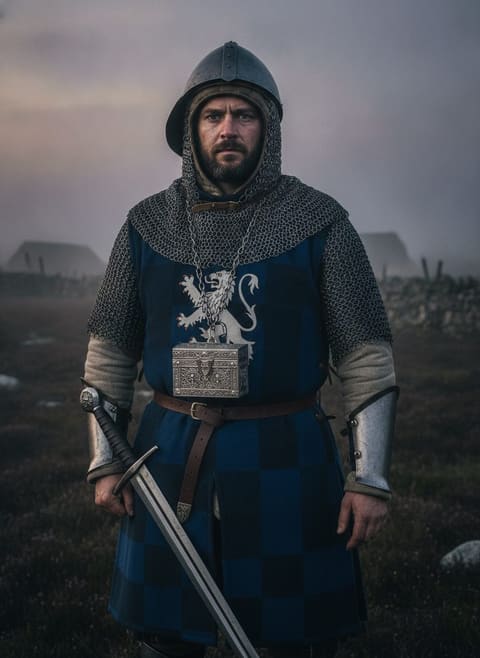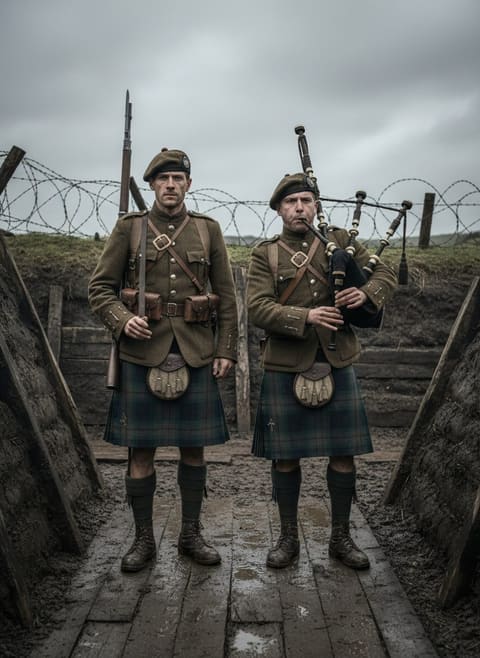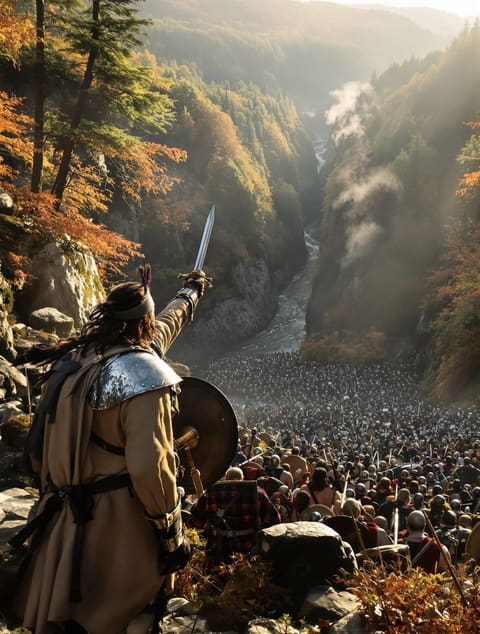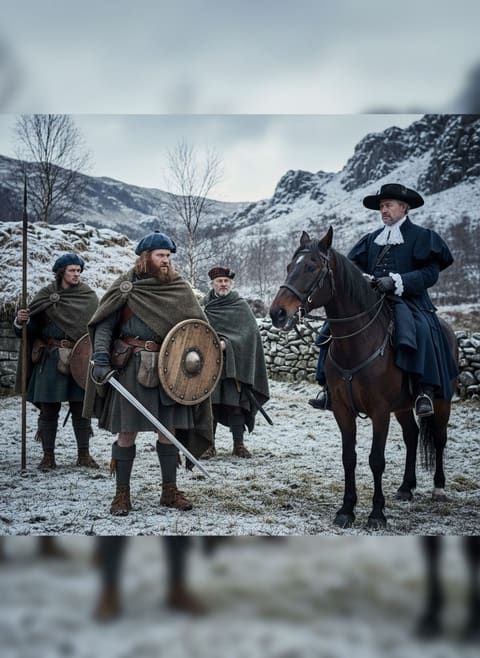
He was a lord by lineage, a soldier by necessity. His greatest asset was understanding a different kind of battlefield entirely.
The Clumsy Cavalry of Empire
In the first months of the Second Boer War, the British Army faced a new kind of enemy—one that didn’t play by the conventional rules. Trained cavalry charges proved useless against the Boers, who formed a deceptively deadly force.
Armed with precision rifles and mounted on fast, nimble horses, Boer marksmen took advantage of the open veldt, striking hidden within the landscape itself. More experienced at conventional warfare, the British struggled to adapt, losing battles to these elusive foes amid the stark South African terrain.
The Boers' hit-and-run tactics puzzled the high-commanders, who were accustomed to visible enemies and open battlefield engagements. They discovered only too late that their conventional military standards were ill-suited for this frontier guerrilla warfare. The Boer sharpshooters, with their ability to disappear and reappear unexpectedly, turned the savannah into a place of danger and doubt. It slowly became apparent that to beat such opponents required a drastically new approach.
Read next: The day James MacPherson fiddled his way to the gallows at Banff
An Unexpected Answer from the Highlands
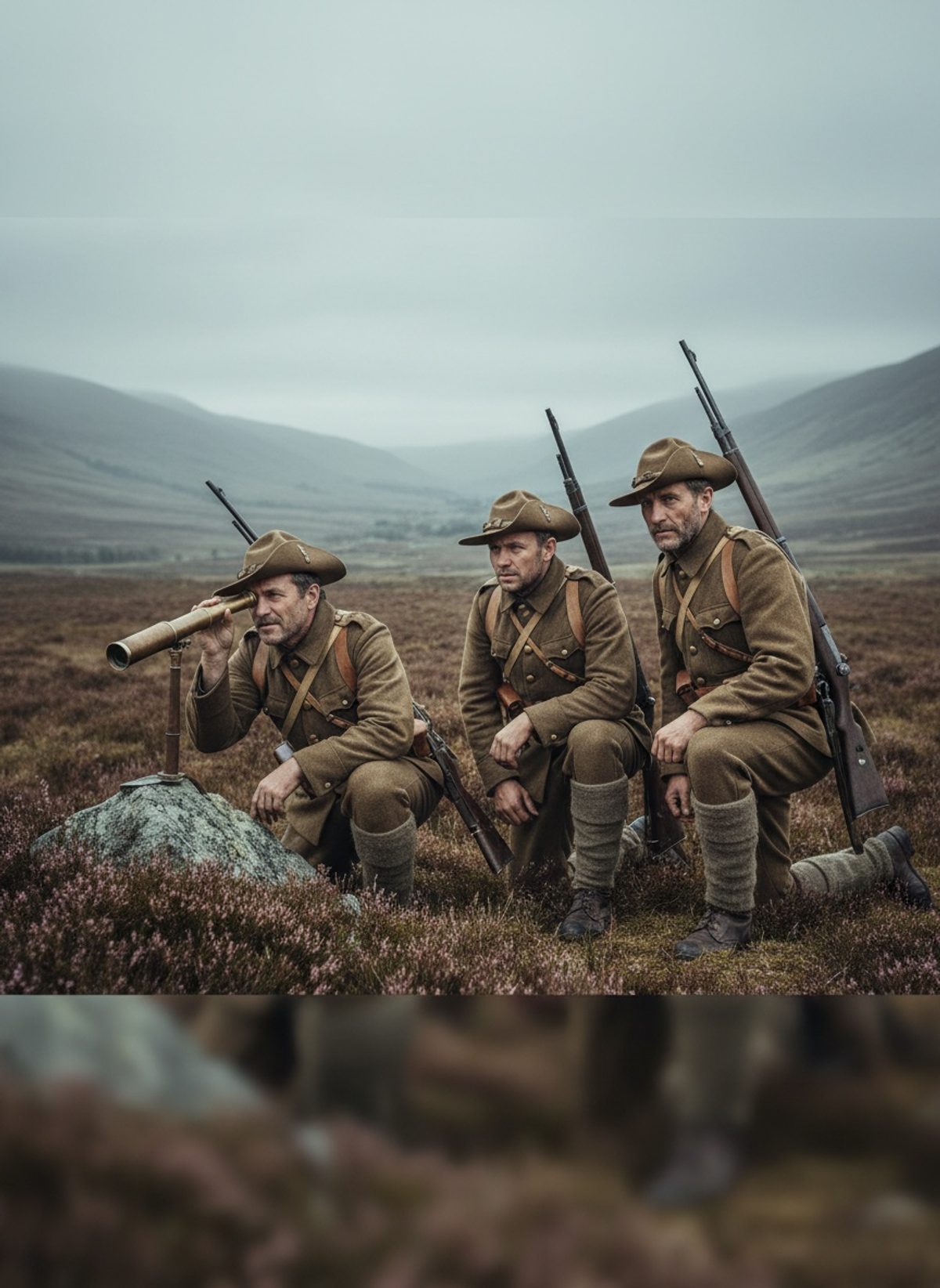
Enter Simon Fraser, the 14th Lord Lovat, a man poised to bring the answer from the rugged Scottish Highlands. An avid deer-stalker and an understanding lord, Fraser knew of men predisposed for this unusual conflict. These were the stalkers and ghillies of the Highlands, individuals raised alongside the natural rhythm of the land. More than guides or gamekeepers, they lived as one with their environments, reading the weather, understanding animals, and moving invisibly across hills and valleys.
Fraser recognized that the skills of these Highlanders were exactly what the beleaguered British forces needed. The ability to move unseen, to appear as part of the earth and disappear back into it, was invaluable. Acting on this vision, Fraser raised a 300-man unit that became known as the Lovat Scouts. These men stood apart from any military unit previously mobilized by the British Army.
Never before had the British Army seen sharpshooters trained in such a specific art of stealth and precision. These were not just hunters of deer; they were masters of the natural world, able to read it with an eye more trained and more practiced than any military strategist's map.
Laying the Blueprints for Modern Reconnaissance
The Lovat Scouts quickly proved their worth on the battlefields of the Boer War. Their presence transformed the dynamics of engagement, providing not just eyes on the horizon but eyes that could vanish in the blink of an eye. Trained since boyhood to remain unseen, lie low, and wait with patience, their talent for blending with their surroundings was unmatched.
Read next: When Baden-Powell's 'Black Watch' Defied a Boer Ultimatum
Beyond their sharpshooting skills, these scouts delivered intelligence that could make or break a skirmish. Their testimonials of observation were peppered with details overlooked by regular soldiers. These enhancements to military information networks foreshadowed the crucial role of intelligence and reconnaissance in 20th and 21st-century military operations.
The doctrine of fieldcraft ushered in by the Lovat Scouts would persist as a cornerstone in the evolution of specialized military tactics. Their seamless integration into their surroundings and the lessons they imparted would help sculpt modern sniper units all over the world. As the first officially recognized sniper unit, they laid down practices still taught in intense army training today.
Why the Highlanders Still Matter
The legacy of the Lovat Scouts extends beyond their direct contributions to the Second Boer War. It illustrates a broader lesson still relevant today: sometimes, adapting means understanding your terrain—both the physical landscape and the metaphorical one. War, like nature, can demand a step back, a rethink of assumptions, and a borrowing from unexpected quarters.
The story of these Highlanders merges nature with human resilience to reveal a time when soldiers were more than arms and legs of the Empire—they were bound to the land itself. In this intertwining of earth and man, the lesson from the Highlands still echoes loudly today: understanding your ground can often outweigh the power of brute force. In the fields where technology and human ingenuity repeatedly clash, knowing when to blend in might just secure the most enduring victories.