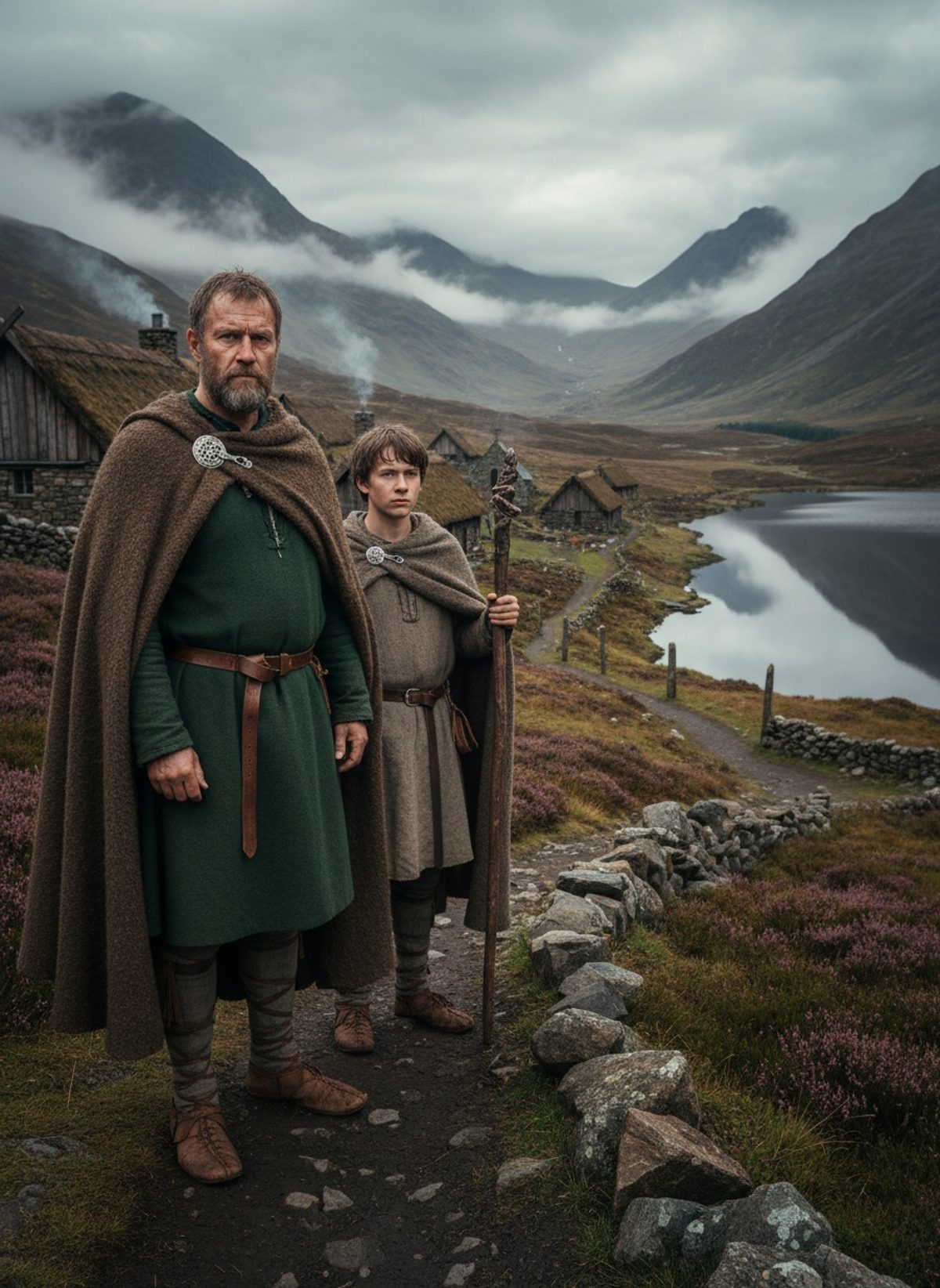
February 1692. A sinister silence covered the snow-sprinkled valley of Glencoe, save for the occasional whispering wind weaving through the stark Highland peaks. It was a morning stained with treachery that would never be forgotten, transforming the tranquil beauty of this Scottish glen into ground marked by blood and betrayal, forever etched in the annals of British history as the Massacre of Glencoe.
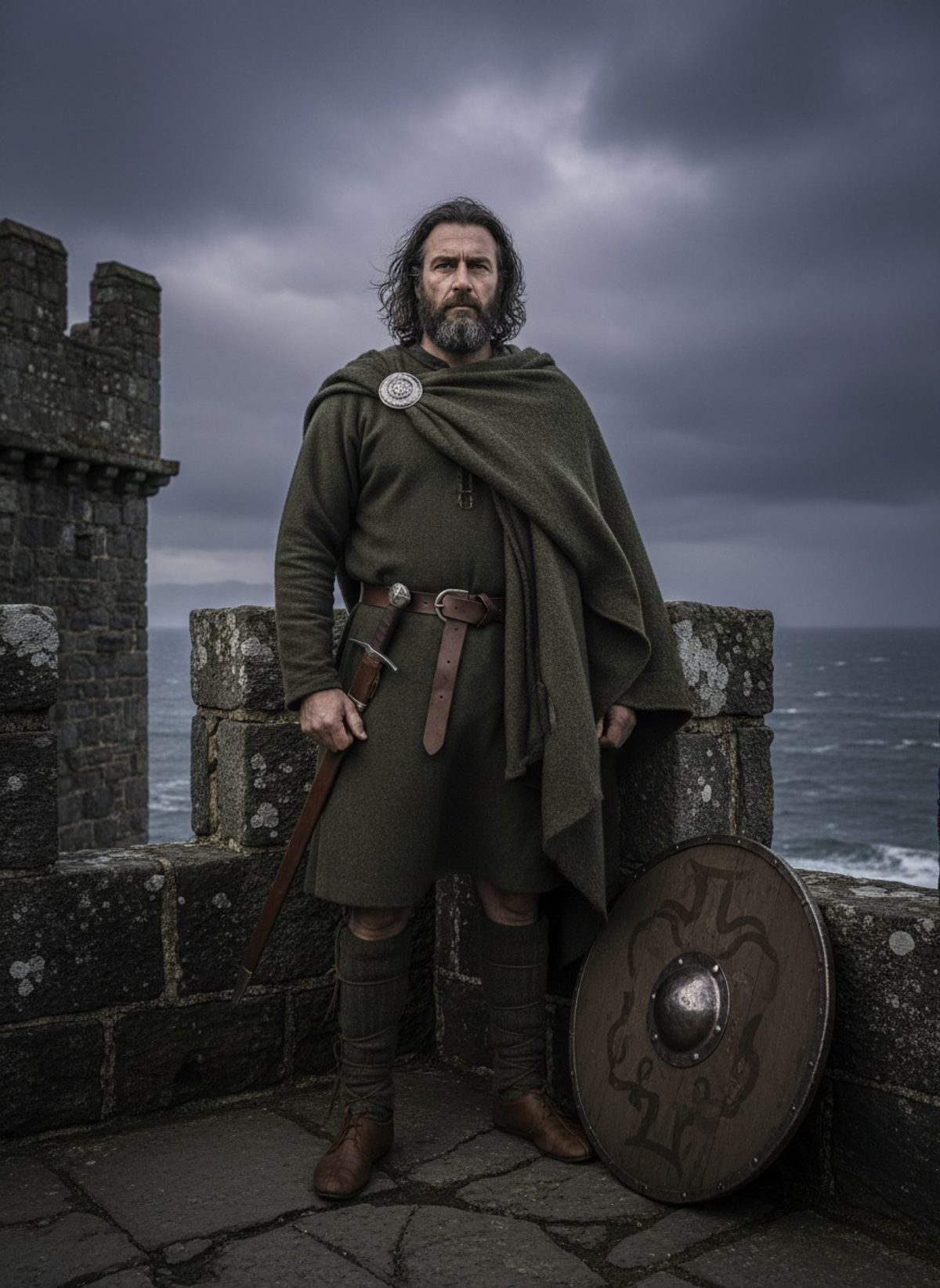
The events leading to this grim February day unfolded in the chaotic political landscape of late-Stuart Scotland. Alliances were fickle, and loyalties often came under the shadow of doubt. The Glencoe MacDonalds, a Highland clan known for their defiant spirit, found themselves tragically embroiled in this web of political intrigue and royal mandates that spanned the divided kingdoms of England and Scotland. Their crime was a perceived slight against the newly ascended William of Orange, who demanded all Scottish clan chiefs pledge allegiance by a specific deadline. The MacDonalds of Glencoe, like many clans, delayed. An administrative oversight, tangled in the snafus of distance and hostility, left them exposed to the king's ire.
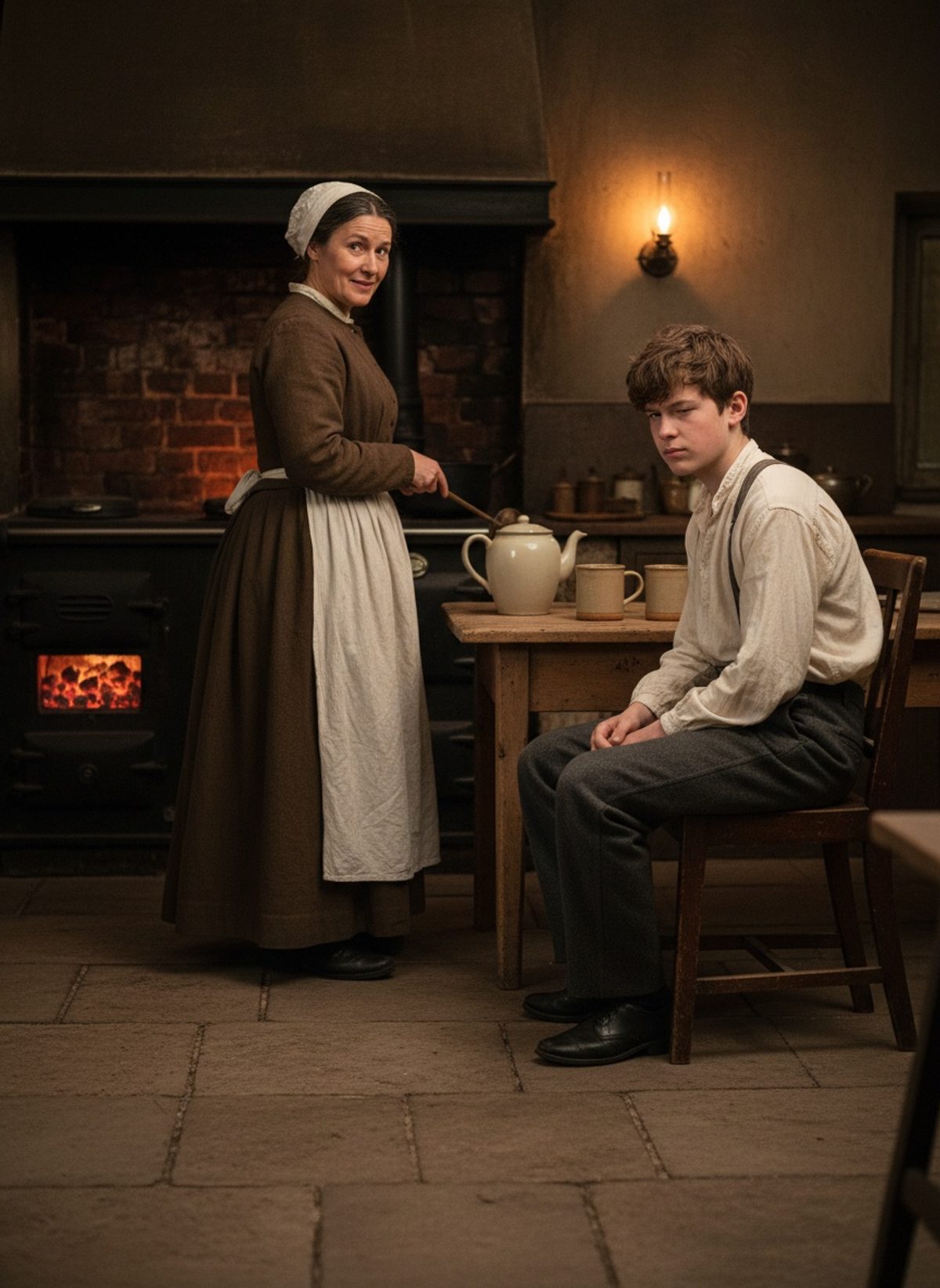
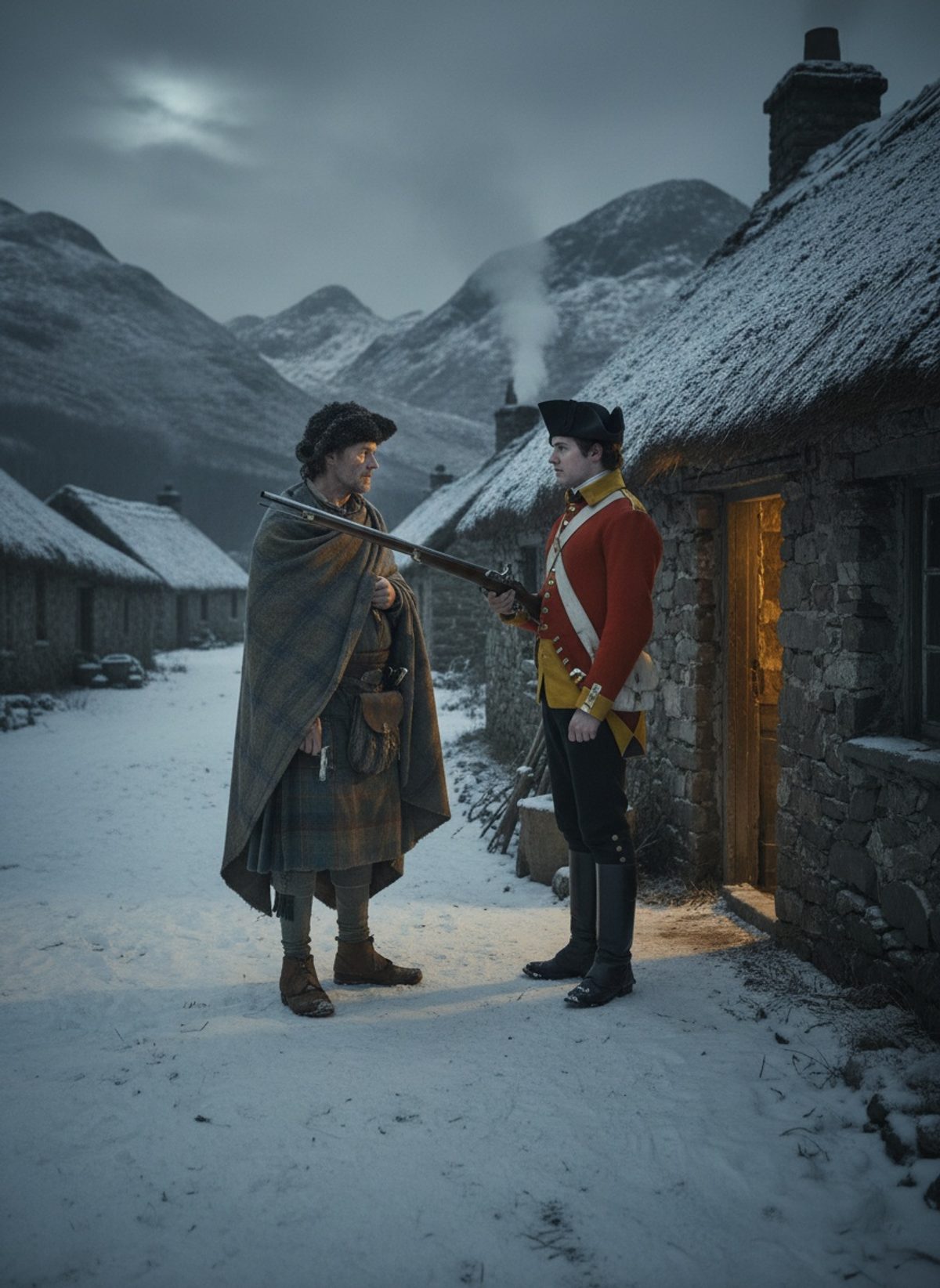
As fortune would have it, Captain Robert Campbell of Glenlyon arrived on the doorstep of the MacDonalds. With him were a contingent of government soldiers, part of the Earl of Argyll's regiment. They sought refuge from the harsh February climate, citing the king's demand for billets, which was customary for the times. With characteristic Highland hospitality, the MacDonalds opened their homes, welcomed these men, and shared their hearths, perhaps unaware of the treacherous intent clasped under the cloak of feigned camaraderie.
For twelve days, this unholy alliance persisted. Soldiers and clansfolk shared meals and stories, kindled fires against the winter's chill, and danced together under Glencoe's frosted moonlit skies. It is easy to imagine smiles and laughter shared around the flame's flickering light; such is the insidious nature of betrayal—it roots itself where trust abounds. But what the soldiers concealed in warm smiles and friendly jests were orders dispatched from the crown, sealed in wax, and marked with a cold machination of political necessity.
Read next: The Day Scotland Chose a Name That Changed a Kingdom
On the early hours of that fateful February morning, when Glencoe lay silent under its white shroud, the soldiers turned on their unsuspecting hosts. The King's order unfurled—"put all to the sword under seventy." It was a cold and calculated eradication couched in the language of justification. Loyal to the king's command more than the sacred trust of Highland hospitality, the soldiers acted. Thirty-eight unsuspecting men, women, and children of the clan were cut down in their homes or while frantically trying to flee into the punishing wilderness outside.
The falling snow cruelly concealed their fleeing footsteps. More lives succumbed not to the blade but to the winter's merciless grip, taking refuge in the hills ungirds of mercy, where icy death claimed lives the sword had missed. In those desperate hours, a sense of loss deeper than Glencoe’s loch settled upon Scotland—a massacre most chilling not merely for its violence, but for the savage breach of sacred customs that had bound clan societies through blood, allegiance, and common humanity.
This story, a profound breach of the Highland ethos, transcended mere accountancy of loss. It planted seeds of enduring narratives — a legend woven intricately into the tapestry of Scottish identity, fueling tales of resistance and the cultural justice that pulsed silently through clan veins for centuries. The massacre whispered through time, transforming the glen's beauty into a haunting testament to betrayal. The enduring voices of moaning winds through the glen only feed the soundscape of half-enduring cries of souls wronged by kin who masqueraded as friends.
The agony of Glencoe played well into the broader political machinations of the age, offering the Jacobite cause vivid illustrations of the crown's perfidy. Discontent, already buried under heavy Highland snow, found spring in tales of this atrocity, compelling rallies toward Bonnie Prince Charlie half a century later. Even today, in the narratives repeated in hushed tones across Scottish pubs and gatherings, the Glencoe Massacre serves as both lament and lesson—an emblem of unity among the people torn asunder by political cynicism.
Glencoe stands in the Highland mists not solely as history, but as a chilling reminder of consequences when power breaches sanctuary, and violence shatters the veneer of trust. It speaks to the core of humanity's shared stories—the unyielding spirit of a people who endure against all odds. This massacre, though obscured by time's passage, underscores the complexity of human allegiance and the devastating cost of betrayal—a lesson perhaps meant not merely for Britain but for a world eternally in flux amid the sands of political power.