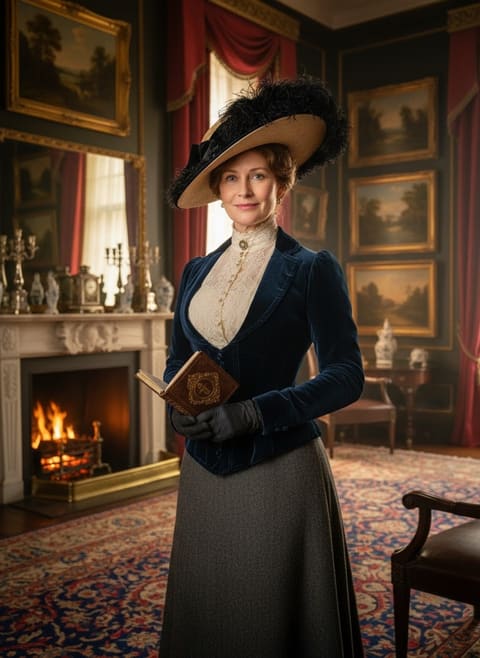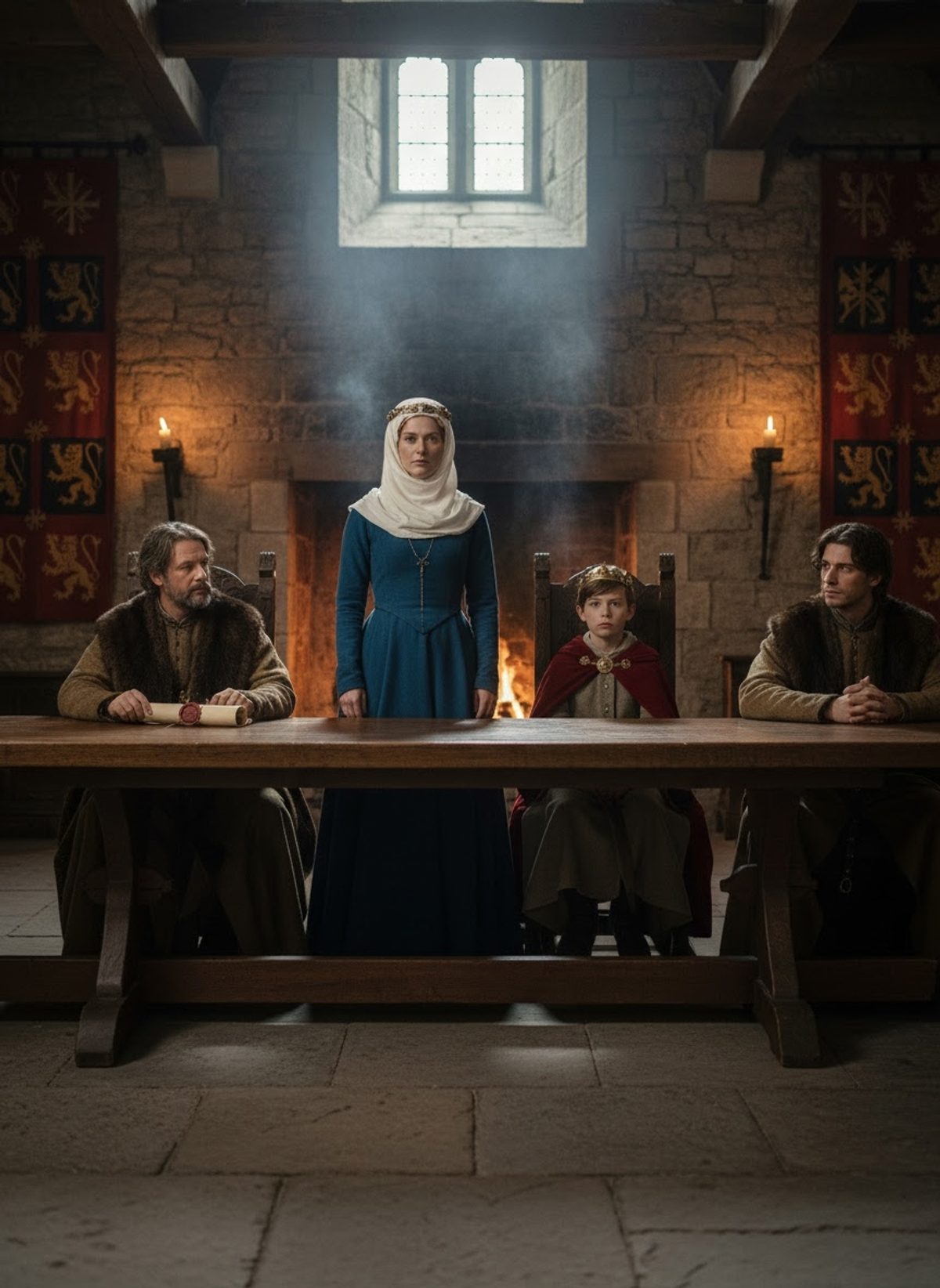
The flickering light of the great hall danced on the cold stone walls. Amidst the hushed murmurs and scurrying messengers, she stood at the center with a poise that belied the chaos around her. Her fingers curled around the edge of the table, squeezing tightly as she studied the latest reports.
English lands teetered on the brink, and much of the kingdom lay beneath the shadow of foreign troops. Yet, it was Eleanor of Provence, a queen not born to rule, who now held England's fragile future in her hands.
Whispers of a Distant Throne
In the thick of England's darkest hour, the coronation of young King Henry III was little more than a whisper among clashing swords and the roar of an impending storm. England's lord of Marshal, William, claimed the title of regent, supported by those who had survived the chaos and suspicion of King John's rule. But among the council's sharp soldiers and wily statesmen stood Eleanor, a queen, who was deft with both pen and tongue.
Her journey to power was a tapestry of tenacity. The kingdom was not only physically fractured by French incursions but politically shattered after John's turbulent reign. Noble allegiances were as unstable as the shifting tides. Eleanor, however, was no stranger to the intricacies of medieval power plays. With the kingdom split down its spine, every meeting was a chess game, every decision weighted with the potential for consequence.
Read next: The Letter Philip Wrote Before He Could Walk Behind Her
Her presence on the regency council was deliberate, her voice a blend of compassion and steel. As the council convened, breaths were held; Eleanor’s observations were keenly awaited. In her actions, the kingdom saw more than a ruler's wife — they saw a guiding force willing to take risks for stability.
The Web of Diplomacy
England's strength lingered on the brink, reliant on alliances as fragile as spider silk. With French forces pressing their claim through Prince Louis's banner, Eleanor's insight and influence wove crucial connections between England’s beleaguered factions. Her correspondence with distant courts and local lords was laced not just with requests for allegiance, but also promises of honor and shared fortune.
Queen Eleanor’s dispatches were masterworks of medieval diplomacy, each woven with care to avoid the knives waiting in the shadows of France's occupation. They were a testament to a brilliance often overshadowed by her husband's tempestuous reign. As the regency council traveled the country, pulling the disparate threads of loyalty tighter, her voice ensured none forget the child who bore the crown, or the legacy that must be protected for the coming generations.
Yet diplomacy was not her sole battlefield. For Eleanor, this was a fight for survival, a chance to hammer a future from the jumbled remains of John's contentious reign. She knew the cost of inactivity, and she refused to let opportunity wither in indecision. Every dispatch was a chess move, designed to corner England's enemies and embolden its allies.
The Queen’s Quiet Counsel
Even as discussions of war filled every corner of the court, Eleanor’s more critical impact lay in her internal counsel. She was not merely a figurehead, present for formality. Her insights during strategy sessions often swung debates, using her unique understanding of Europe's political fabric to anticipate moves several steps in advance.
Her pragmatism complemented Marshal’s martial expertise, crafting plans that acknowledged the complexity of holding a fractured nation together. While Marshal focused on military logistics, Eleanor concentrated on maintaining the kingdom's internal trust — an invisible thread that could unravel with a single misstep. She understood that a divided loyalty was a greater adversary than any foreign army.
Read next: The Yellow Diamond That Sat on a King's Hat in 1821
As fleeting victories and devastating losses unfolded across the kingdom, Eleanor’s resolve grew firmer. It was her determination that lent the young king an air of stability in a time of turmoil. Her whispers, more powerful than the loudest war cries, reinforced the necessity of unity against common threats.
A Kingdom United
The child's crown, worn with uneasy grace upon Henry's head, represented more than sovereignty. It was England’s fragile beacon of hope, flickering defiantly against the winds of conflict. Eleanor of Provence remained steadfast amidst battles lost and won, guiding England back from the precipice of ruin.
The months ticked by, and the tide began to turn. French forces discovered that holding English soil required more than military prowess. Eleanor’s groundwork in securing alliances meant English hearts tended toward loyalty to the homegrown king rather than a foreign prince. The subtle power of her diplomacy kindled an indomitable spirit within her lands. The crown, once a delicate promise held on young shoulders, became an emblem of unlikely resilience.
Today, the story of Eleanor's determined regency offers a profound lesson about the overlooked power wielded away from the battlefield. In an era where the sword ruled supreme, Eleanor's strength lay in sowing seeds of unity among those willing to listen. Her legacy may not grace the same pages as her male counterparts, but her impact remains etched within the resilience and renewal she championed during England’s hour of need.