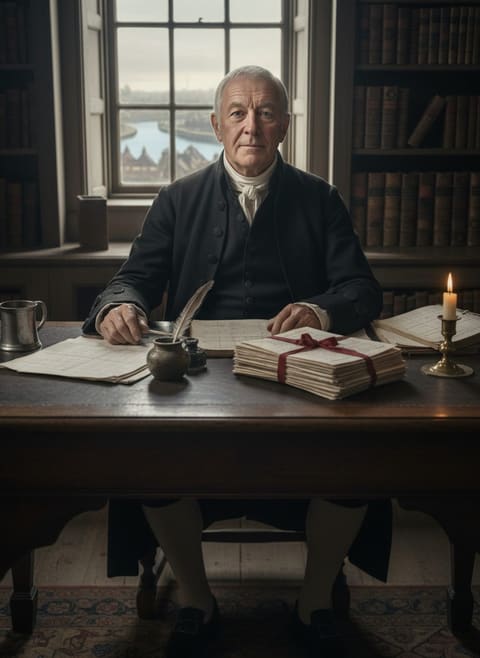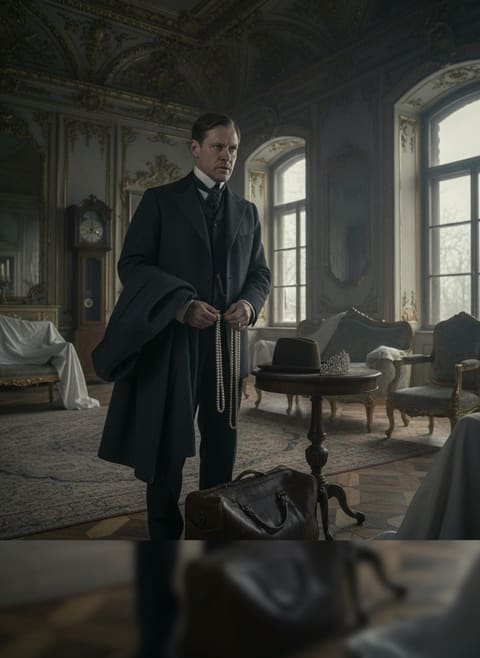
February 11, 1987. A journalist unfolded the pages of Burke's Peerage in the musty backroom of a London archive.
The Silent Arrival at Royal Earlswood
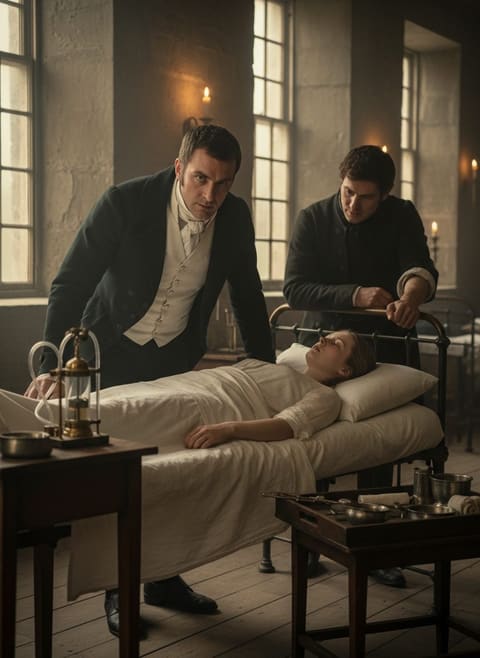
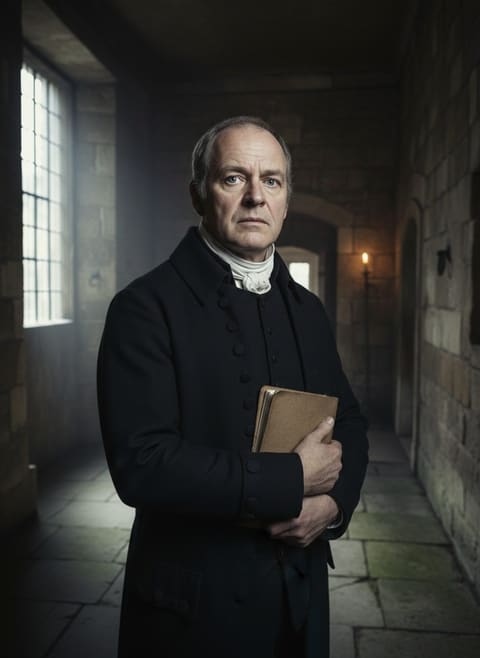
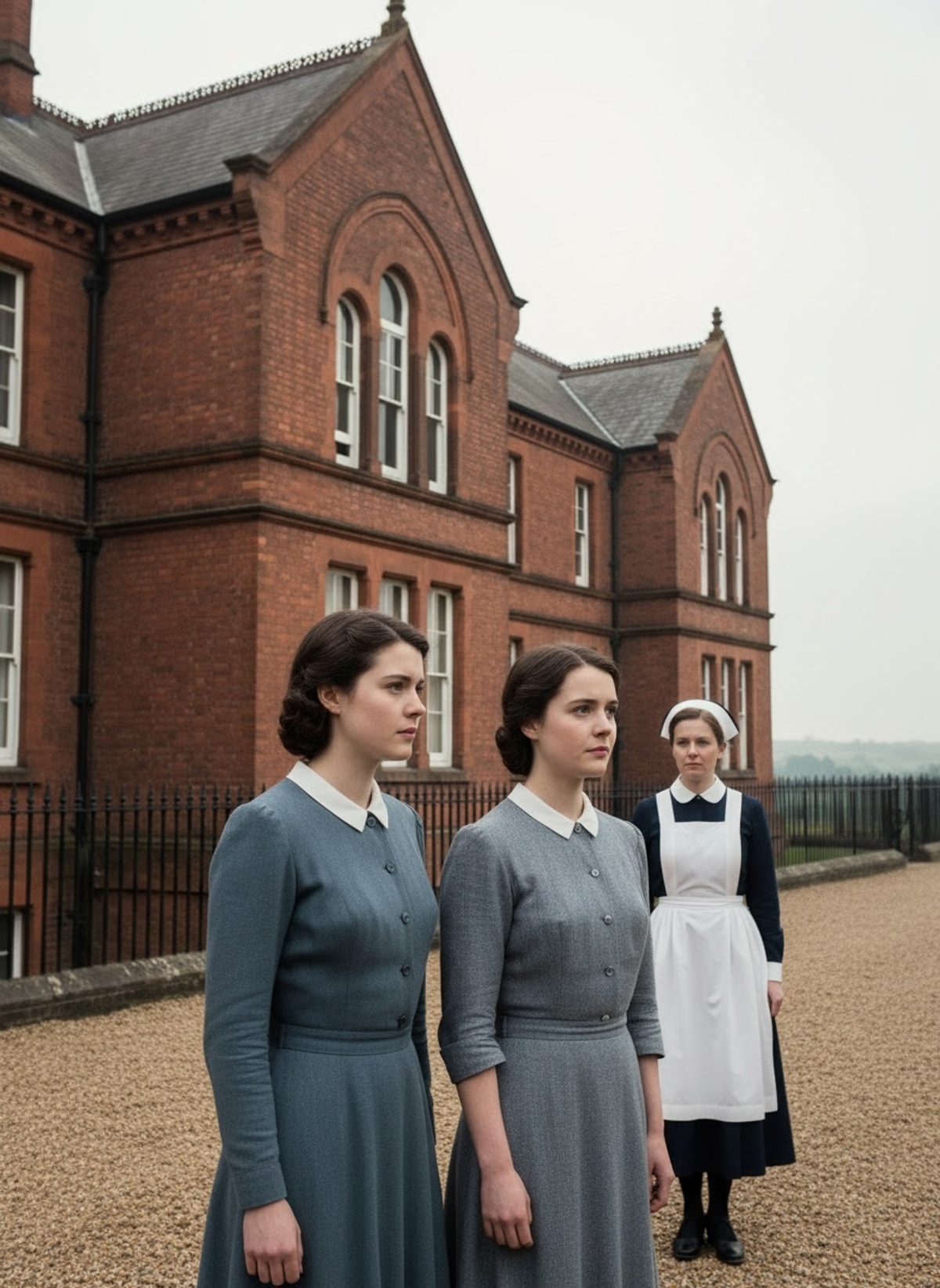
The story of the two sisters begins far from the fluorescent-lit halls of the London archive, on an overcast day in 1941. The brick façade of Royal Earlswood Hospital for Mental Defectives stood somber and imposing against the Surrey hills. Two young women, secretly aristocratic by blood, stepped across its threshold. Their arrival went unnoticed by most, absorbed into the hushed routines of this large, isolated institution.
The sisters, Katherine and Nerissa Bowes-Lyon, were nieces of Queen Elizabeth The Queen Mother. Their institutionalization was cloaked in silence, a fortress of privacy apparently unbreachable by the curiosities of the public eye or the prying of modern historians. Yet, their presence there was notable not only for who they were but for their disappearance from public and familial acknowledgment. As World War II raged across Europe, this quieter, lesser-known tale was unfolding in silence.
Invisible Lives Marked by Time
The tick of time was best measured by the slow rhythms of Royal Earlswood, where the sisters would spend decades of their lives. Removed from the lavish comforts and duties usually expected of those of noble birth, they shared this institutional world with many others, existing in a reality of routine rather than royal grandeur.
Read next: The Scots Girl Who Became Britain's Most Loved Queen
While the sisters quietly lived out their days in dormitories and manicured grounds, the outside world presumed them gone. According to Burke's Peerage, the authoritative guide to the British aristocracy, both Katherine and Nerissa had been reported as deceased. This erroneous declaration went uncontested for decades, blanketing their real lives in a shroud of implied finality.
The error in Burke's Peerage wasn't just a clerical oversight; it was a revelation of the societal and familial pressures of the time. For a family of such high standing, the shame of mental illness was compounded by an unforgiving public eye fixated on the purity and success of its most revered individuals. In a world where appearances were paramount, the existence of these two sisters was quietly forgotten by the broader narrative.
Unveiling the Unspoken Secrets
That fateful day in 1987, a journalist's fortuitous cross-check of historical records challenged the long-held belief of the sisters' fate. With disbelief turning to intrigue, the mistaken entries in Burke's Peerage were exposed. Shockingly, it was discovered that Nerissa Bowes-Lyon had only died the previous year, in 1986, and Katherine was still alive at Royal Earlswood.
This discovery sent ripples through the royal corridors and across Britain, where tales of royal discretion and secretive practices were given new dimensions. It raised questions of responsibility, not only about the protocols and values of the royal family but also about societal attitudes towards mental illness and intellectual disabilities.
Katherine Bowes-Lyon, still residing in the institution, became an emblem of resilience and a symbol of those whose stories were involuntarily smothered. Her existence transformed from an overlooked record in an aristocratic ledger to a vivid reminder of humanity's indefatigable spirit, regardless of societal constraints and familial abandonments.
Read next: When William Burke's Body Paid the Price of Empire's Hunger
Legacy Beyond the Record Books
Reflecting on the lives of Katherine and Nerissa Bowes-Lyon, their story bounces off the conventional paths of royalty and touches a raw nerve regarding the treatment and perception of mental health in the 20th century. These women, once relegated to the shadows, became central figures in a broader conversation about compassion, acceptance, and the responsibilities of those in power to act transparently.
The Royal Earlswood's terrain is a landscape filled with whispered stories and latent memories of individuals who experienced both neglect and community. As these stories came to light, they forced a reevaluation of past attitudes and decisions, encouraging society to grow beyond outdated stigmas.
In remembering Katherine Bowes-Lyon as an elderly woman residing in Royal Earlswood, her existence calls for a more inclusive narrative, one that respects and supports individuals of all abilities. This sobering discovery doesn't just add complexity to royal history; it reminds us that acknowledgment and inclusion are essential to understanding and valuing human worth.
The truths lurking in the shadows of historical editions like Burke's Peerage are potent reminders that every life, no matter how obscured or dismissed, contributes meaningfully to the broader human saga.