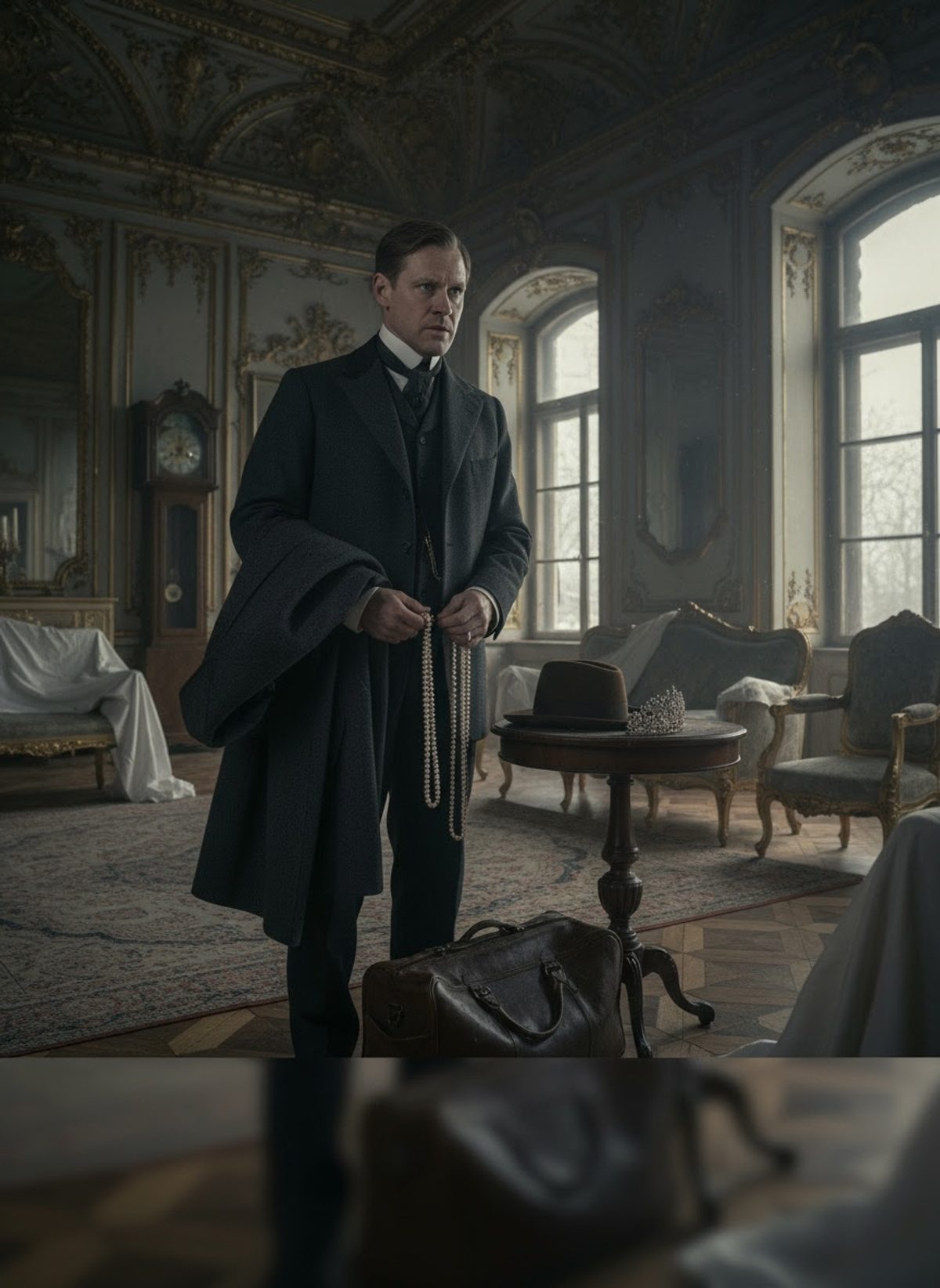
He was an antiques dealer, neither spy nor soldier. Yet, he returned from a Petrograd palace with a fortune hidden in unassuming bags, untouched by revolutionary upheaval.
The Quiet Man of Bold Endeavours
Albert Henry Stopford was a name scarcely known in the circles of espionage and diplomacy during the Russian Revolution. A British antiques dealer by profession, his life seemed far removed from the political chaos enveloping Russia in 1917. As the Bolsheviks stormed Petrograd, seizing power and royal wealth, Stopford embarked on an unassuming mission – not in the guise of a secret agent, but as a man of nerve and discretion.
The tale of his foray into the heart of the conflict, however, is woven into the quiet rooms of Vladimirsky Palace, once echoing with the footsteps of Grand Duchess Maria Pavlovna.
A scarce figure amidst the turmoil, Stopford capitalized on his profound connections within European aristocracy, paving his way into an empire teetering on the brink of collapse. Contrary to appearances, his bold venture had roots in relationships cultivated through his trade, including the Grand Duchess, whose illustrious jewels would soon rest in the secrecy of his bags.
Read next: The Day a King Was Crowned Who Never Wanted the Throne
Jewels of the Past, Treasures for the Future
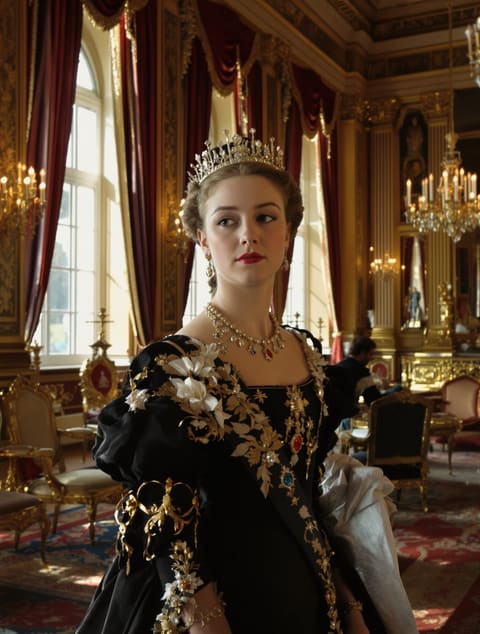
Grand Duchess Maria Pavlovna, known as Maria Pavlovna the Younger, held jewels of great value and sentimental significance. Born into the Russian imperial family, she was a granddaughter of Alexander II of Russia and first cousin to Russia's last Tsar, Nicholas II. Her life veered from grandeur to upheaval, amid which her precious collection was secreted away in the vast Vladimirsky Palace.
Maria Pavlovna had faced consistent turmoil, the loss of her mother at an early age, and the estrangement from her father through his banishment all tinted her early years with grief. Guarded and resilient, she was unyielding in her protection of family treasures even as World War I drew Russia closer to revolution. By 1917, her marriage to Prince Sergei Putyatin saw her eventually flee the unrest, with her legacy and heirlooms precariously at risk.
Enter Stopford, entrusted with safeguarding a collection that included what today is the Vladimir Tiara, now residing within the Royal Collection. Through his skillful concealment within battered bags, he smuggled the jewels out of Petrograd, navigating a country gripped by revolutionary fervor. Surrounded by soldiers and the threat of confiscation, Stopford's calm demeanor was fitting for a man carrying a fortune beneath a veneer of simplicity.
The Unseen Roads to Safety
Stepping through the doors of the Vladimirsky Palace, Stopford might have seemed unremarkable amidst the tidal waves of change sweeping through Petrograd. Yet, his quiet escape marked a bold success in the salvaging of Russian imperial history. The jewels hidden in his luggage were not just material wealth but symbols of a dynasty slipping into the annals of history.
Read next: The Only Time Nine Reigning Kings Stood in One Room
Stopford's path to safety was fraught with the very real danger of Bolshevik inspectors. The Petrograd streets brimmed with suspicion and unrest; the revolution dismantled safe havens, turning once familiar territories into treacherous landscapes. Avoiding direct confrontation or exposure, Stopford opted for understatement, transporting the jewels under the nose of tumultuous change, leaving no trace but for the slight clink of gems nestled within linen.
Ultimately, his journey beyond Russia's borders was a testament to foresight and meticulous planning. Employing diplomatic channels and relying on his connections, Stopford succeeded in navigating through a fracturing Europe, ensuring the jewels' safe passage to England's shores. There, they transitioned from perilous artifacts to cherished historical pieces, laden with stories and survival.
Echoes of a Bygone Era
The jewels once belonging to Grand Duchess Maria Pavlovna remain a glimmering thread between then and now, a link across decades shadowed by conflict. Stopford's unassuming yet audacious act during a tempestuous epoch remains significant for its subtle defiance against oblivion. His venture preserved not solely gems, but elements of an antiquated era slipping beneath the icy grasp of Bolshevism.
While we might not elevate Stopford's story to the annals of celebrated heroism, it is an intriguing reminder of individual agency amidst historical upheaval. The Vladimir Tiara and its accompanying jewels persisted, nestled in England's Royal Collection, silent witnesses to a past marked by grandeur and destruction alike. In capturing these jewels, Stopford captured echoes of a time when royalty reigned—and when individuals made all the difference in safeguarding legacies against time's relentless ebb.