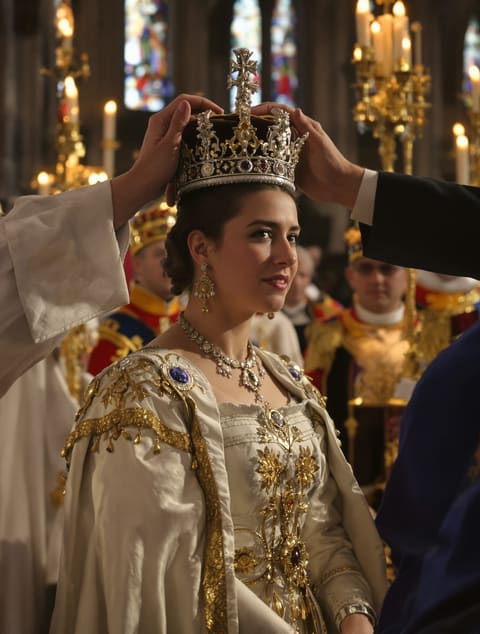
April 26, 1923, marked a grand occasion at Westminster Abbey. Yet, a moment passed almost unnoticed amidst the royal splendor; it was anything but ordinary.
A Wedding and a Whisper of War
The wedding of Elizabeth Bowes-Lyon to the Duke of York, the future King George VI, drew the eyes of the nation. The streets leading to Westminster Abbey were awash with onlookers, eager to catch a glimpse of the elegant bride.
Many were familiar with Elizabeth's gentle grace and her endearing nature, yet few knew of the poignant weight she carried in her heart that day. As the bells tolled and the clock inched closer to the ceremony's commencement, Elizabeth enacted a deeply personal gesture that left a subtle yet profound legacy behind.
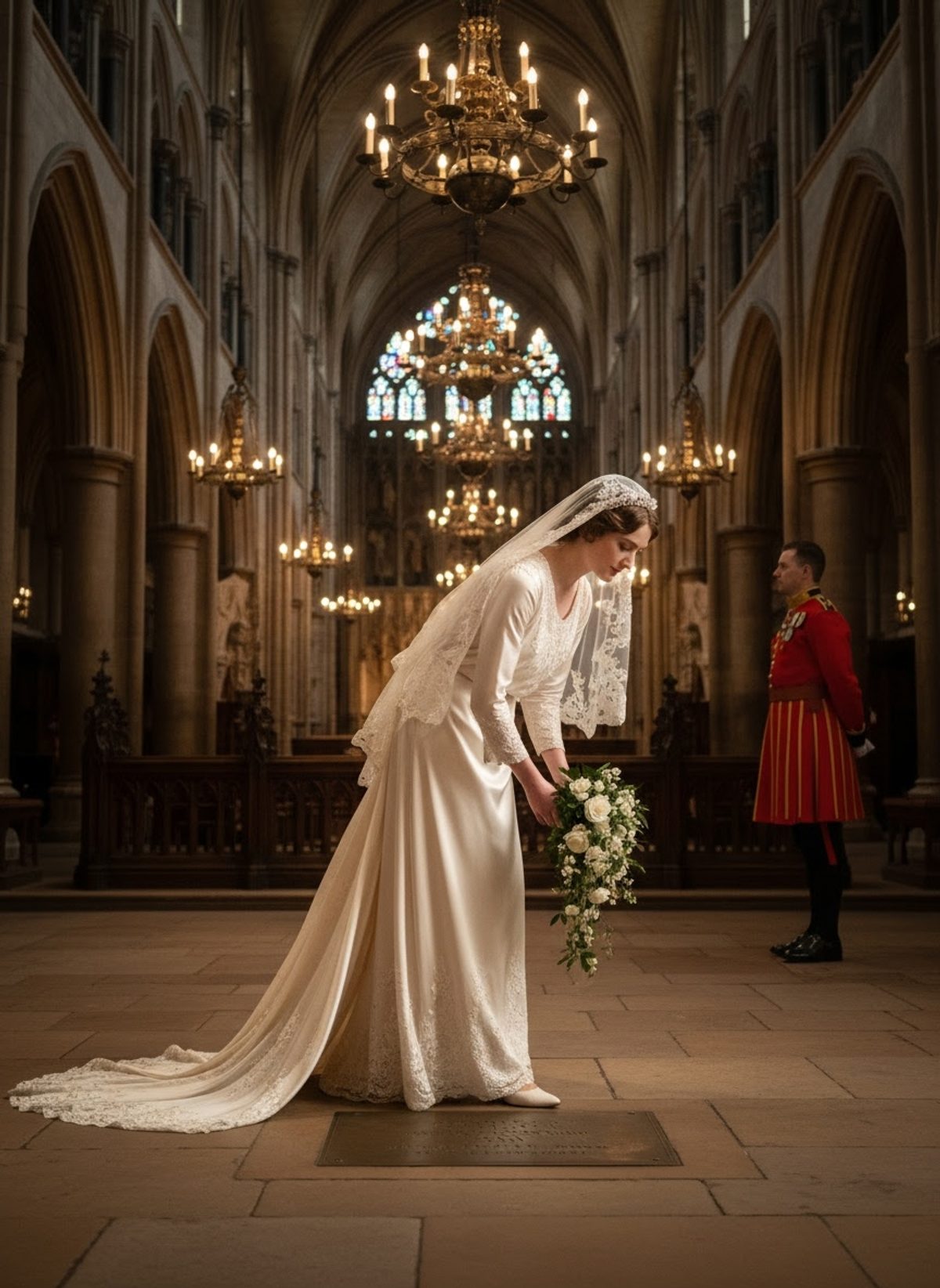
As she entered the storied Abbey, Elizabeth made a gentle detour to pause at the Tomb of the Unknown Warrior. It was here, amidst the echoes of whispering stone and reflecting grandeur, that she laid her bouquet of white roses and heather. The symbolism of this act was resounding.
Read next: The Day a Queen Was Crowned in Silence and Thunder
The Unknown Warrior represented the countless voices silenced by the horrors of the Great War, a conflict that had ended just five years prior. With the laying of her flowers, Elizabeth acknowledged the unyielding specter of loss that still loomed large over Britain.
The young bride's gesture was not born of protocol, nor was it a spectacle designed for the public eye. It was a personal tribute, a silent homage to her brother Fergus, who had fallen at the Battle of Loos in 1915.
This act of reverence infused the jubilant day with a somber reminder of sacrifice and the shadow of grief that lingered in the hearts of many families across the nation. The seemingly simple gesture was an unspoken vow that acknowledged a collective mourning interwoven with the strides towards new beginnings.
From Unspoken Grief to Lasting Tradition
Elizabeth's single, quiet act rippled further than she might have imagined. Although her laying of the bouquet was not officially documented at the time, this symbolic gesture soon became a cherished tradition for English royal brides. Each one since has mirrored Elizabeth’s tribute, pausing at the Tomb of the Unknown Warrior, weaving personal threads into the royal tapestry that defines Britain's monarchy.
This ritual of remembrance became an enduring link between royal pageantry and the shared tragedies of war. For every bouquet set at the tomb, a silent dialogue continued between the past and present. It spoke of an acknowledgment that, behind the façade of regal ceremonies and public duties, the pain of loss connects even the highest echelons of society with common humanity.
By weaving this tradition into royal weddings, Elizabeth ensured that the personal intersected with the public in a meaningful way. This act humanized the royal family, subtly resonating with a nation still licking its wounds inflicted by a brutal war.
In her quiet tribute, Elizabeth ushered in an era of historical consciousness—a reminder of the personal stories interspersed with the grand narratives of monarchy and national identity. It was a silent affirmation that past struggles hold a vital place in the celebratory moments of the present.
Read next: The Day a Young Queen Stood Alone and Faced a Nation
A Legacy Rooted in Personal Sacrifice
The practice begun by Elizabeth Bowes-Lyon lives on, underscoring how actions rooted in personal history can become meaningful cultural touchstones. Each royal bouquet laid at the tomb contributes to a somber and reflective moment within the bustle of ceremony, reminding Britain of the weight of history carried to the altar. Elizabeth's tribute was a minor deviation from the script of ceremonial grandeur, yet it created a space for shared remembrance amid the grandeur of tradition.
This silent tradition reveals more than just a string of royal marriages; it is a powerful reminder that history is composed not only of grand events but also of private griefs and quiet acts of remembrance. It is a narrative woven into the fabric of the monarchy and serves as a reminder of how personal loss can inform public roles in unexpected and enduring ways.
The significance of Elizabeth's gesture lies in its simplicity—a profound act dressed in unassuming humility. It is a testament to how tangible expressions of loss and respect emerge from real lived experiences, transcending their immediate context to become enduring elements of collective memory.
Thus, an abiding bouquet laid over an unknown soldier’s grave becomes a narrative, ever retelling the story of Elizabeth's generation and its silent contract with history—a promise that memory and homage will consistently be delivered, no matter how grand or joyful a royal occasion.