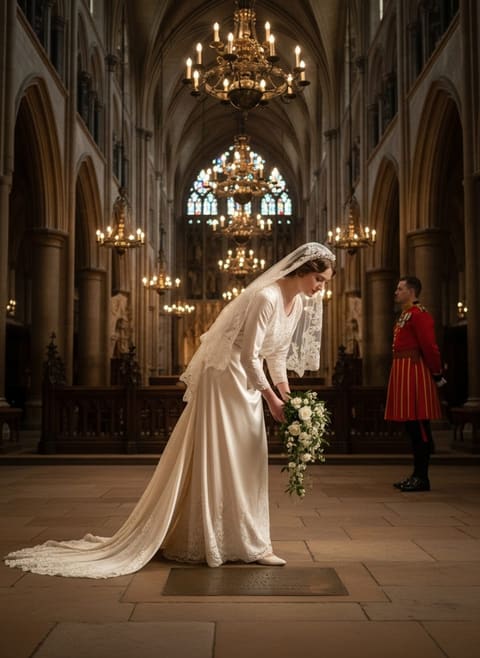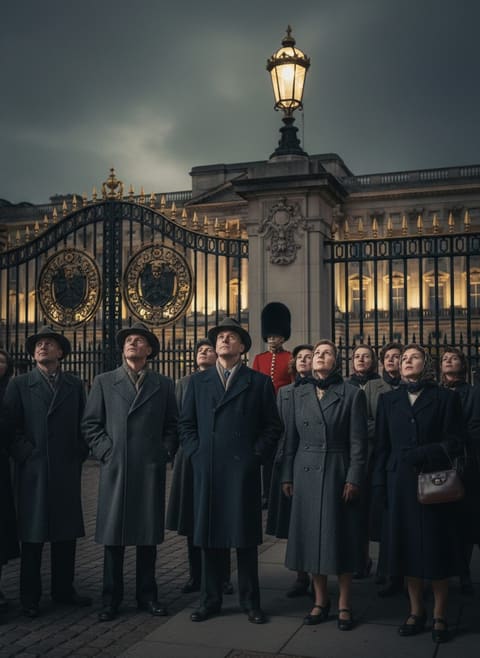
March 15, 1942. Polesden Lacey stood enveloped in a shroud of fog, its manicured gardens obscured from view.
The Rise of an Illegitimate Heiress
Margaret Greville was no stranger to defying expectations. Born the illegitimate daughter of a Scottish brewer, it might have seemed improbable for her to become the grand hostess of Edwardian Britain. Her father, William McEwan, may have lacked aristocratic roots, but he was rich and savvy, ensuring Margaret had a stable foundation. His brewery nestled in the fields of Edinburgh was a paragon of success, ready to hand Margaret a legacy upon which she could build her empire.
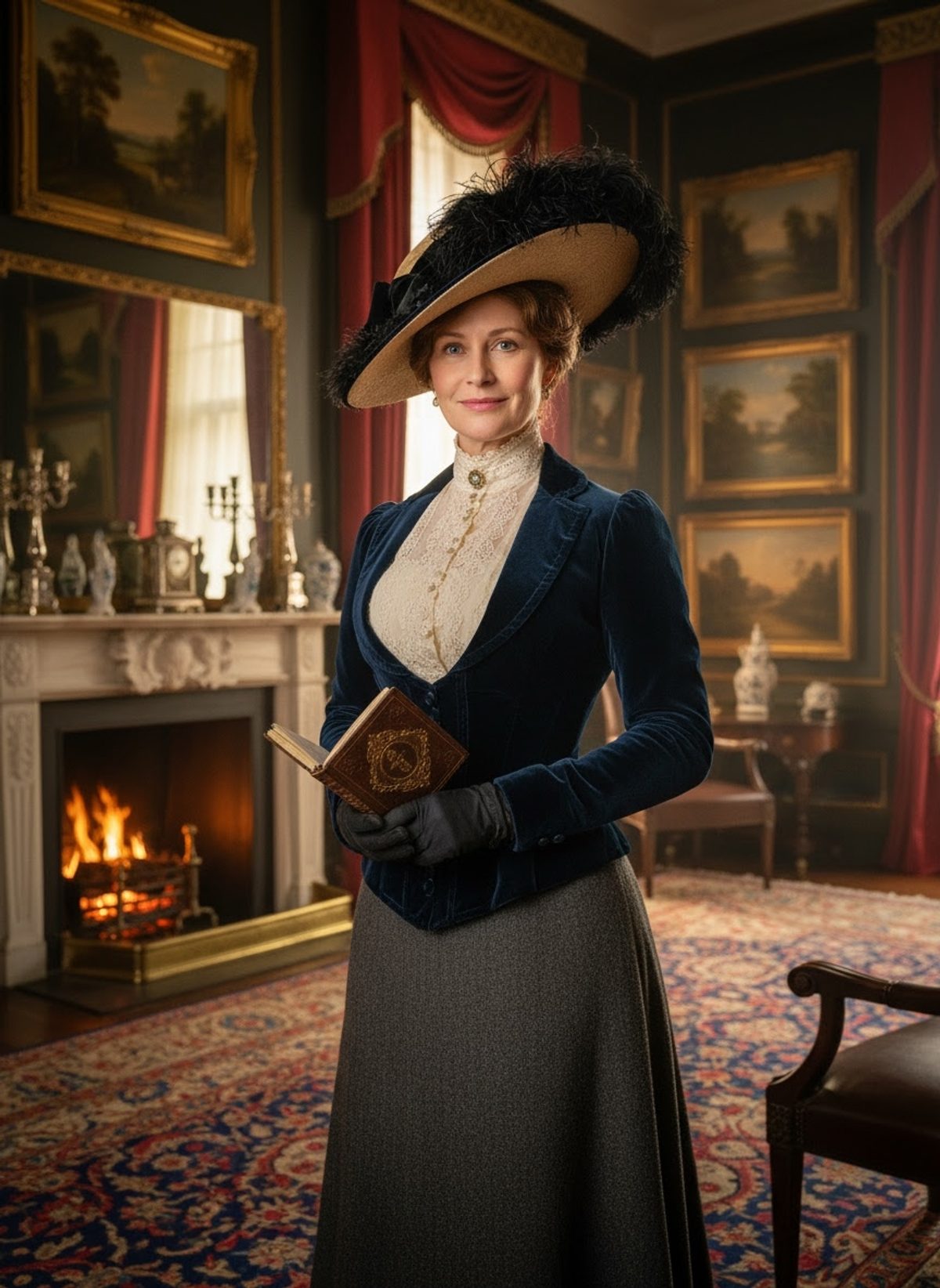
Margaret’s ascent into high society was nothing short of meteoric. Her marriage to Captain Ronald Greville in 1891 opened the doors of London's elite circles, yet it was her wit and unrivaled charm that truly captivated the powerful. Polesden Lacey, the Georgian house she extensively refurbished in Surrey, became her stage — a luxurious setting where kings and prime ministers dined, and secrets were shared over fine wine and golden chandeliers.
Yet, Margaret's life was a labyrinth of contrasts. A woman sprung from society’s fringes yet becoming its core; she wielded influence not by birthright but by sheer ambition. Her dinners were more than social events — they were the fulcrum of political strategies and private alliances, where Margaret positioned herself as confidante to the powerful.
Read next: The Antiques Dealer Who Smuggled a Fortune Out of Revolution
The Jewel Campaign
The jewelry collection that Margaret Greville amassed over the decades was renowned and coveted. From Paris to Vienna, her acquisitions were the envy of Europe. Court jewelers, privy to the upper echelons of fashion and aristocracy, often heralded Margaret's collection as a marvel of modern taste. Emeralds, diamonds, and rare gemstones — each piece gleamed with history and whispered secrets of those who donned them before.
What made her collection unparalleled was not just its monetary value but the stories it held. These jewels were tokens of friendships, political endorsements, and sometimes of tales brushed under the silk carpets of royal courts. Margaret understood the power in a necklace or a ring, transforming her appearances into declarations of standing and presence in the shifting landscape of British society.
When she decided to bequeath this extraordinary collection to the royal family, it wasn't merely a gesture of generosity; it reshaped the British Crown Jewels. Her jewels, once wrapped in intrigue and social maneuvering, became symbols public and enduring, lending more than just a glint to royal parades and ceremonies.
Influence Beyond Invitations
Margaret's power lay not in official titles but in her unrivaled influence — a hostess who crafted a symphony with her guest list, discussions, and the ambiance of her soirées. Winston Churchill was among the many who sought solace and insight in her vast salon, where the clinking of crystal glasses was often overshadowed by the whisperings of nation-shaping decisions.
Her soirées were not mere frivolities; they were arenas for diplomacy and influence. Inside the opulent drawing rooms of Polesden Lacey, Margaret cultivated alliances that reverberated through halls of Westminster and beyond. Unlike those who clung to tradition, Margaret understood the seismic shifts in power and used her gatherings as solder — binding diverse threads of society into cohesive strategies that benefited her and the attendees.
Read next: The Grave That Had No Name: Royal Earlswood's Hidden Story
It was here that she constructed her legacy, ultimately ensuring her influence extended far beyond self-interest. As a master of social strategy, she tutored future generations of hostesses on weaving personal agendas with national interests, entwining her fate with the annals of British history.
A Legacy of Ambition and Generosity
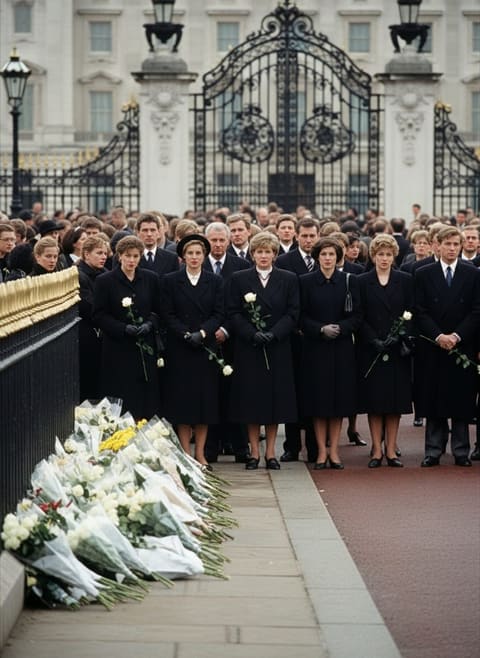
When Margaret Greville passed away in 1942, the world was embroiled in a conflict that threatened to reshape nations and destinies. Yet, her life had already redefined social paradigms. Her death led to a revealing of her will, which surprised many. Margaret’s decision to bestow her immense jewelry collection to the British Royal Family was a gesture steeped in foresight and appreciation for the monarchy's enduring place in a tumultuous world.
Beyond the diamond tiaras and extravagant necklaces, her legacy offers profound insights into the power dynamics of her time. Margaret Greville's life was one lived among the greats, one that maneuvered deftly around institutional restrictions to claim a seat at the table of influence. A remarkable feat for someone often relegated by birth to society’s shadows.
Margaret’s story remains a testament to ambition's ability to transcend societal limitations. It serves as a reminder that personal fortunes can intersect with historical trajectories, creating ripples that influence far beyond an individual's life. As Polesden Lacey still whispers her secrets today, the jewels she loved continue to adorn modern monarchs, subtly reminding us of the audacious woman whose legacy is as dazzlingly layered as the gems she left behind.