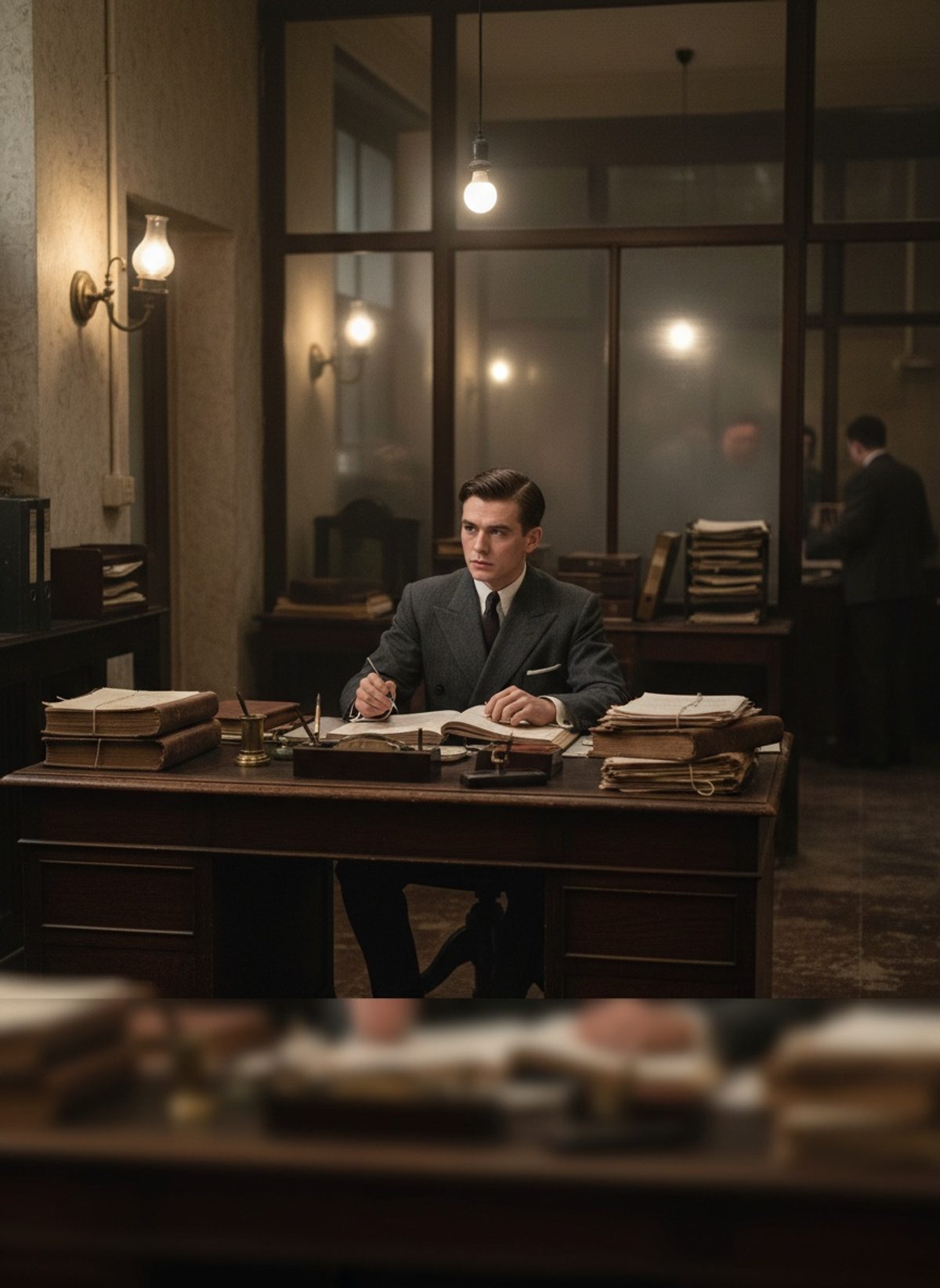
October 18, 1926. A brisk wind swept through the Liverpool streets, carrying the subtle scent of the Irish Sea. It was a typical autumn day, filled with the promise of change, though few would recognize it at the time. Among the throngs of bustling Liverpudlians was a quiet clerk, indifferent to the thickening clouds—Leonard Rossiter, a man not yet known to the world, but destined to leave an unforgettable mark on British comedy.
From Insurance to Indelible Laughter
For years, the daily grind of insurance paperwork defined Leonard Rossiter's life. Born and bred in Liverpool, Rossiter was by all accounts an unremarkable young man of the 1940s and 50s—a time when the world recovered from war and sought stability over creativity. Employed as a clerk in an unassuming insurance office, Rossiter filed claims and balanced books with a quiet diligence. Yet beneath this conventional exterior stirred the soul of a performer.
It was not until he reached the age of 27, an age when most actors have already begun their careers or abandoned them, that Rossiter took his first professional steps onto the stage. The transition from clerical work to the footlights was not an abandonment of stability, but rather a belated acknowledgment of a burgeoning passion that demanded expression. His entry into theatre was like a detonated firecracker—unexpected yet intensely illuminating.
Acting as If Time Was Running Out
This late start was more than a simple career change; it became the catalyst for Rossiter's frenetic energy. Every role was an opportunity seized with the intensity of a man who understood that time was not on his side. He approached acting with vigor and commitment, whether performing in London’s West End or gracing the humble stages of the UK's regional theatres.
Read next: The Yorkshire Boy Who Became One of Britain's Greatest Knights
Rossiter’s performances were marked by an acute attention to detail and a sharply honed comedic timing that verged on the surgical. Indeed, friends and colleagues often noted his incredible ability to transform any script into something greater than the sum of its words. The legacy of this transformation culminates in his legendary portrayals on television, where characters like the unapologetically pompous Rigsby in *Rising Damp* and the harried, beleaguered Reginald Perrin became etched into the collective consciousness of British audiences.
The Man Behind the Characters
Off-stage, Rossiter's life remained a paradox of the serious and the humorous. He was known for his disciplined nature, an almost military precision with which he approached his craft. There was little room for complacency in his world—a mindset that perhaps hearkened back to those years of meticulous paperwork in Liverpool.
Yet those who worked with him also recall the gleaming sparkle in his eyes when he delivered a particularly witty line—a glimpse of the keen intelligence and innate charm that so effortlessly endeared him to viewers. It was this blend of disciplined craft and spontaneous humor that enabled Rossiter to thrive in his roles, creating characters that were simultaneously relatable and larger-than-life.
The Dark Heart of British Comedy
Despite his relatively late arrival to the entertainment scene, Rossiter’s body of work has a lasting influence on British comedy. He brought a darkness to his comedy that was rare and refreshing. His roles often embraced the flaws and absurdities of the human experience, transforming them into sources of humor and insight. This distinct approach to comedy—a willingness to delve into the darker corners of human nature while maintaining a comedic front—distinguished him from his peers. Rossiter’s talent lay in making audiences laugh, even as they grappled with the angst and challenges depicted in his characters.
Read next: The Day a Quaker Tailor Walked Into Court and Freed a Man
Rossiter never shied away from difficult themes, using humor as both a shield and a sword. His comedic protagonists grappled with existential crises, bureaucracy, and the banality of everyday life, rendering him a modern-day Shakespearean clown, dunking truth in the waters of humor.
A Legend Unfolds
Though Leonard Rossiter left the stage physically at the age of 57, his impact is indelible. His career demonstrated that even the most unremarkable of beginnings could precipitate a cascade of laughter that reverberates through time. Perhaps this is why Rossiter's legacy persists—because he exemplified how it is never too late to become the person one is meant to be, regardless of where one begins.
His work continues to inspire generations, not merely by its humor, but by the underlying message: that artistry, when pursued with vigor and authenticity, can be a refuge, a rebellion, and above all, an enduring impact on the tapestry of cultural memory. In a world preoccupied with the ticking clock, Rossiter remains a powerful reminder of the extraordinary that can arise from the ordinary. His life and career inspire us to embrace our own creativity with the same dogged intensity.