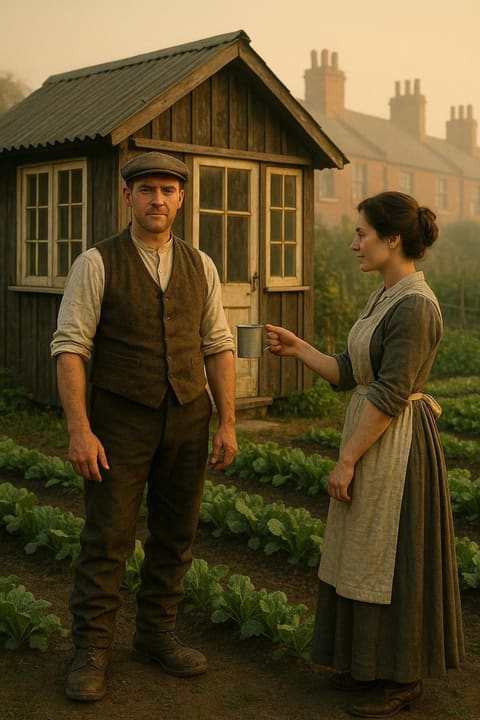
The cloud-filled skies over Swindon in late 1967 mirrored the complexity of emotions stirring within the heart of a young Wiltshire songwriter. The air was crisp, hinting at impending rain, the kind that soothed the soul with its gentle pattering against the window panes. It was within this atmospheric embrace that a 19-year-old sat by his dimly-lit bedroom window, not with the purpose of crafting a time-tested masterpiece, but for the solace that putting pen to paper so often provided. What emerged was a song about longing—a melody ignored by many at its inception, yet destined to ripple through time.
The Beginning of a Melody
In the heart of Swindon, a town not yet synonymous with musical success, our songwriter found his quiet muse. The town in 1967 buzzed with the hum of daily life, the air thick with the scent of industry and the chatter of its people going about their routines. It was an unlikely birthplace for a musical phenomenon, yet in a small bedroom filled with a mix of youthful naivety and the stirring of artistic ambition, a song was born. Inspired by the eternal themes of love and yearning, the songwriter captured an emotion that didn't quite fit the musical narrative of the time. The song was raw, emotional, its haunting refrain tethered to the timeless pursuit of love unfulfilled and dreams just out of reach.
Initially released to a world not ready to open its heart, this rhapsody of emotion was met with resounding indifference. The bustling British music scene of the late '60s was marked by a cacophony of voices and fierce competition. Amidst the dynamic, shifting musical tides, the gentle notes of this Swindon teenager's creation were drowned out, its poignancy lost on ears listening for a different beat.
An Unexpected Revival
Time moved on, as did the cultural pulse of Britain, and by 1972, the world had shifted. The socio-political landscape was different, embracing the introspective echoes of a tumultuous past while yearning for connection. It was in this climate that the dormant song stirred from slumber. The title, resonant with the sadness and beauty of longing, found new life and purpose. Re-released five years after its initial debut, the song surged up the charts, reaching Number Nine in its home country and toppling records across the continent. Its verses, once overlooked, now resonated with listeners who saw themselves within the faded notes and lingering lyrics.
Read next: The Day 3 Para Held the Line in Helmand's Deadliest Summer
Europe, too, felt the song's power. It climbed to the top five, its reach exceeding every expectation. The very notes that formed the song's backbone were re-examined, rediscovered, transforming what had once been a personal ballad of longing into a shared anthem. Its revival was a testament to music's ability to find its moment, to speak when people are finally ready to listen.
The Anatomy of a Hit
With the success of the re-release came intrigue. What was it about this modestly conceived track from Swindon that captivated the hearts of millions? Analysts and music lovers alike scrutinized its elements, from its poignant opening notes to its ethereal lyricism. The achingly beautiful melody was woven together with a certain melancholy—a deep understanding of loss and love standing just beyond reach. It encapsulated a generation's grief, not just for love lost, but for every yearning unfulfilled, every dream deferred.
Read next: The Day a Cornish Vicar Stood Between a Mob and a Wreck
The song's magic lay in its universality. While birthed from a singular perspective, it told the story of many—a shared narrative of heartache and humanity. As people played it again and again, they imbued it with their own stories, till the song formed a tapestry woven with the collective consciousness of its listeners. It became more than a hit; it became a part of their lives.
A Lasting Echo
Even now, decades later, the Swindon song serves as a poignant reminder of music's transcendent power. Its journey from obscurity to acclaim mirrors the path of so many innovations and ideas through history; initiatives ahead of their time, requiring the passage of years or even generations before they're truly appreciated. In an industry often characterized by its rapid pace and fickle tastes, this song taught a crucial lesson: every piece of art has its time.
The melody born in a humble Swindon bedroom illustrates that the power of music lies not just in timely release, but in resonant underlying truths. As long as there are ears to hear it, the song will continue to echo, reminding new generations of the universal threads of longing that bind us all. In a world forever evolving, this tale from Wiltshire stands as a historical enigma: a cultural artifact perfectly illustrating how history can transform ignorance into acknowledgment with the rhythm of time. This story matters because it highlights an essential truth: sometimes, a generation's grief finds its voice in the least expected of places.