The summer of 1772 in London was typical in its unpredictability. The sun, at times, fought its way through heavy clouds, casting sporadic warm glows upon the cobbled streets. But on the morning of that pivotal day, the light was muted, filtered by a thick blanket of grey that threatened to release a torrent of rain at any moment. The bustling city, alive with the clamor of horse-drawn carriages and the calls of street vendors, pulsed with an undercurrent of tension. For within a stone's throw from the illustrious courts of the Kingdom lay a crucial struggle over freedom and human dignity, the resolution of which would echo across oceans.
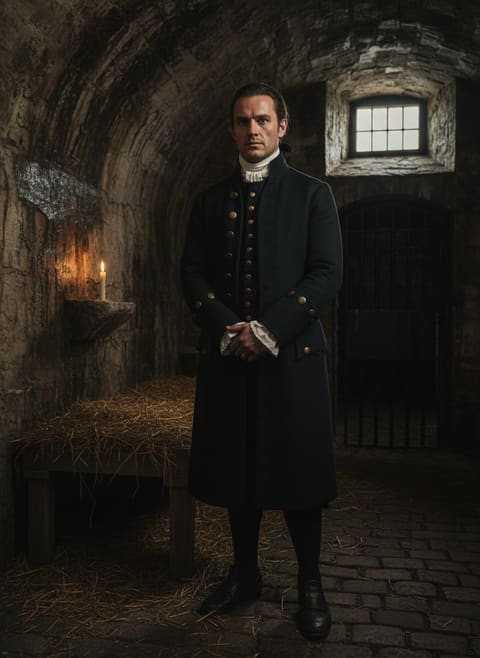
James Somerset, a Black man caught in the cruel grip of his captors, had languished in chains, destined for an unremitting life in the Caribbean's harsh plantation fields. His body bore the marks not only of physical restraint but of an existence shackled by the dehumanizing chains of slavery. Yet, on the streets of London, empathy stirred in the heart of an ordinary man, a Quaker tailor named Granville Sharp, whose simplistic appearance belied an unyielding passion for justice. Sharp was not an attorney, nor did he claim to be an expert in legal matters. Instead, he possessed a conviction—a conviction that no man should live enslaved and that the realm of England ought to be an asylum for the oppressed.
Granville Sharp committed himself to overturn the harsh decree that bound Somerset. He took on the British legal system, undeterred by his lack of formal education in law or a lifetime of legal experience. His armor was conviction, and his sword was the pen. Granville's journey into the annals of history began with a single, defiant step, seeking counsel from sympathetic legal minds who believed as he did.
Into this noble quest emerged a beacon of hope: the writ of habeas corpus. Arguably one of the most potent symbols of British liberty, this writ demanded that Somerset be brought before a court and that the legitimacy of his detention be assessed. With this powerful legal tool in hand, Sharp pushed the case into the judicial stratum, scaling it to the Chief Justice of the King's Bench, Lord Mansfield, where it would gain unprecedented attention.
Read next: The Day a Norfolk Nurse Walked Into a Firing Squad Alone
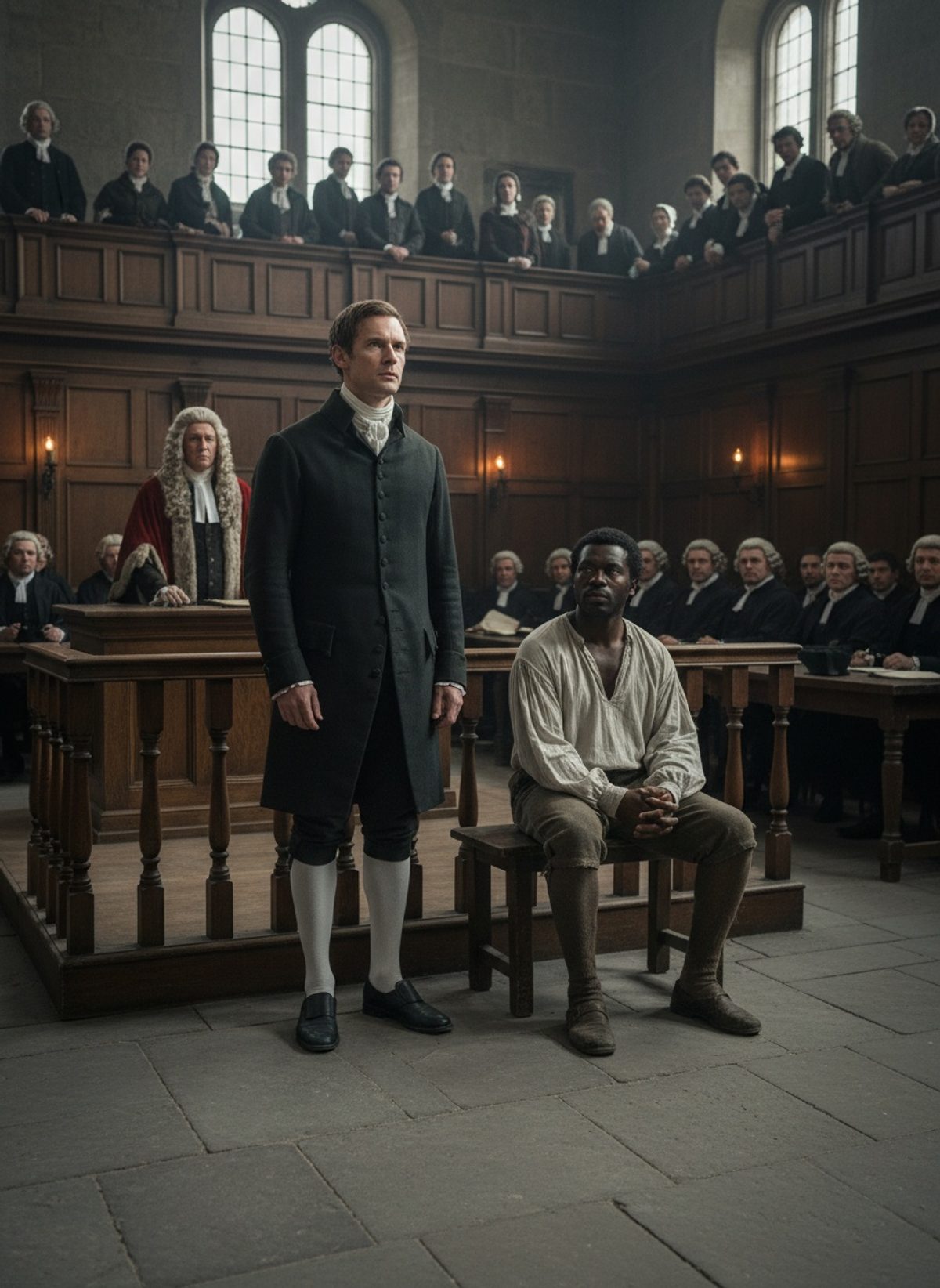
Lord Mansfield, a giant in legal tradition, presided over Somerset's case with an air of solemnity befitting the weighty matter before him. The court was a grand affair, filled with opulent woodwork and forged iron chandeliers, yet on this occasion, it was the crowd—a motley congregation of activists, journalists, elites, and common spectators—whose eager anticipation hung in the air like the charged stillness before a storm. The case brought forth emotional and legal appeals that reverberated through the ornate space, each argument a step toward defining fundamental human rights in British soil.
Inside the courthouse, arguments flew in fervor. Somerset’s supporters argued boldly, presenting not only a moral case but plumbing the depths of England’s common law for a legal precedent which might declare slavery anathema to the kingdom’s core principles. Opponents, merchants and owners of enslaved people, countered with steadfast claims of property rights and economic necessity, desperate to maintain the bitter status quo.
As the days unfurled, Lord Mansfield, sitting grave and venerable, bore the weight of modern society’s most pressing ethical dilemma on his judicial shoulders. Though he was a man of law, he wielded the power to write or erase futures. And Granville Sharp, though unschooled in the formal mechanisms of justice, had bound together the indispensable fabric of faith and humanity, challenging the very constructs of English and global morality.
On a day painting the corridors of history, Mansfield offered his judgment with the lasting clarity of a bell toll. His decision was unprecedented, with Somerset's freedom granted unequivocally. No subject of the Crown, Mansfield decreed, could be forcibly removed and treated as a chattel without due process. This sent reverberations throughout the realm, a foundational ripple that would bolster burgeoning abolitionist movements, both in Britain and across the Atlantic Ocean.
Read next: The Day 3 Para Held the Line in Helmand's Deadliest Summer
The courtroom erupted into a powerful wave of relief and celebration. For Somerset, whose life had hung precariously on a precipice, freedom became a tangible, breathing reality. And for Granville Sharp, who had trodden this path armed only with righteousness, it was a victory not in vanity but in validation of the indomitable human spirit transcending scripted labels of might and status.
In retrospect, this singular court case marked a decisive nudge toward emancipation. It would inspire countless others to challenge the societal norms that legitimized slavery and resonate with groups hailing the beginning of dismantling this grim institution. For Londoners, this victory in 1772 was not just the liberation of one man but a gleaming testament that a solitary voice, when amplified by purpose and allyship, could indeed overhaul the unspeakable systems of oppression within and beyond the island's shores.
Thus, the actions of an unassuming Quaker tailor on the cobblestones of Georgian London endure; they remind us that the quest for freedom is an unceasing odyssey. Though the world brims with barriers forged by greed and prejudice, history shows that the mightiest sinews of change often are conjured by the simplest acts of courage, a lesson from the past as unyielding as the chains that once bound James Somerset.