Defeat often signals the end of a cause. For John Milton, it marked the beginning of his greatest triumph.
The Silent Ruin of a Puritan Voice
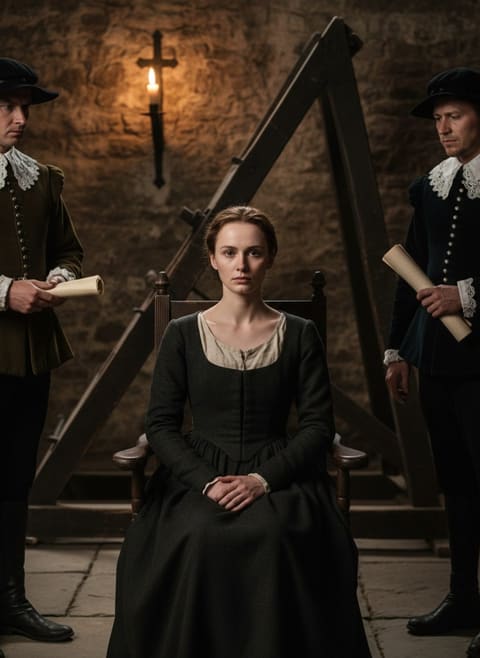
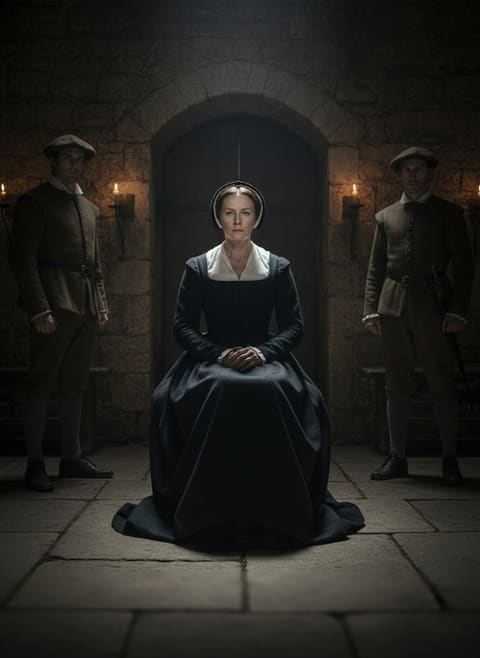
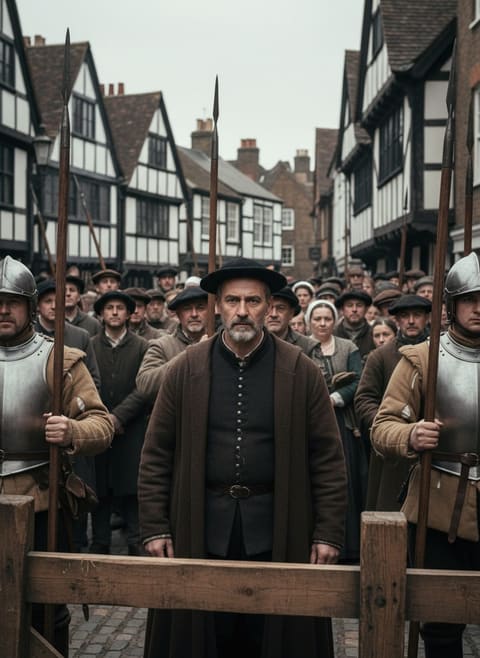
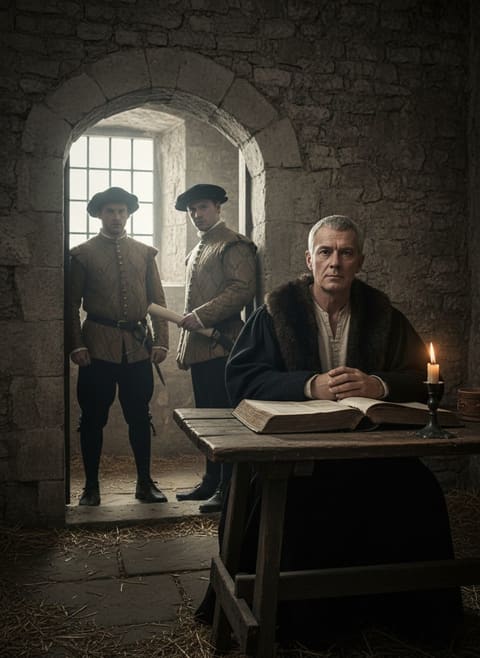
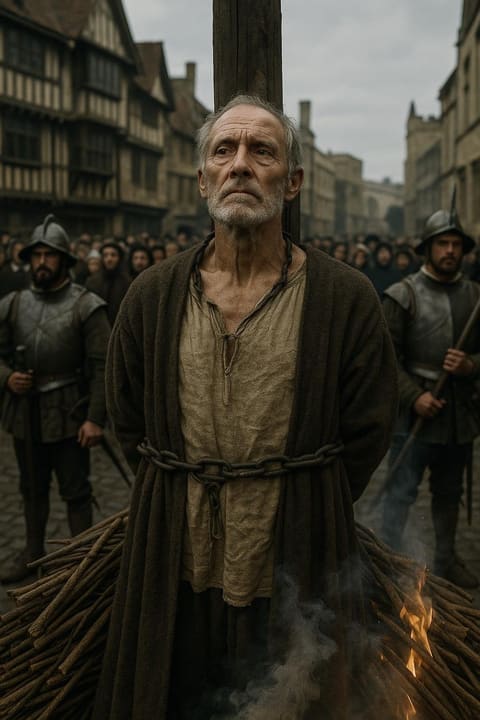
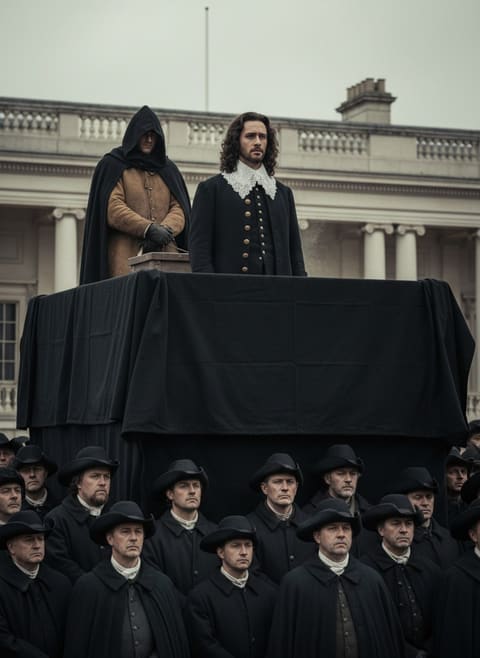
In the aftermath of the English Civil War, the air was thick with the silent screams of dreams dashed against the rocky shores of political reality. Charles II's ascent to the throne in 1660 had extinguished the Puritan experiment, leaving it a ghostly whisper in the annals of English history. John Milton, a fervent supporter and architect of Commonwealth ideals, found himself blind and perilously close to execution, his thin frame dwarfed by the enormity of his loss. In failing health and financial ruin, he retreated into the dim corners of a rented London room, a forgotten relic of a bygone political era.
Yet, amid the shadows, a glimmer of defiance shone through. Milton had lost his sight, but his vision remained undimmed—an unravelling of celestial battles and fallen angels that had simmered in the cauldron of his mind now stared at him from the page in bold, unyielding lines. His had been a life marked by words, honed in public service and private discontent. Now, in penning Paradise Lost, he sought to lay bare the tragedy not merely of man’s transgressions but of ambition’s reach and heaven’s immutable justice.
The Loneliness of Genius at Work
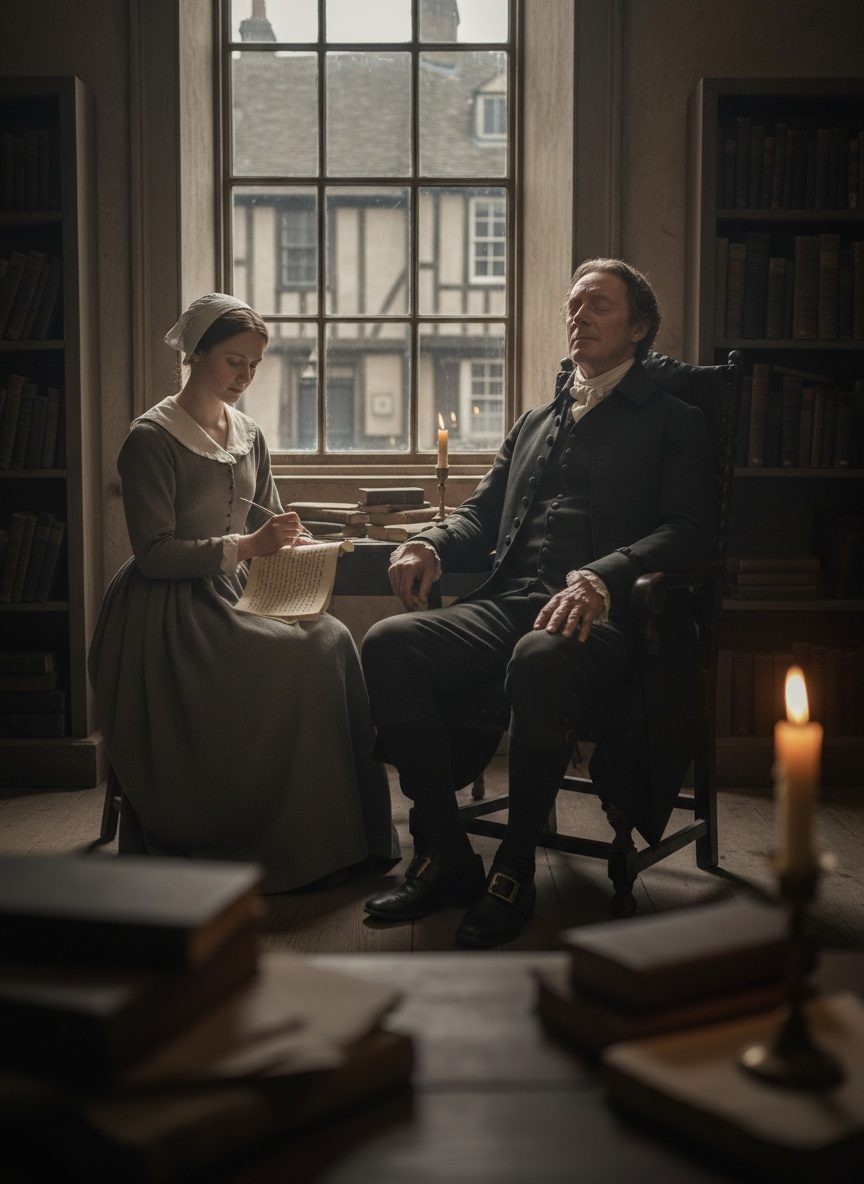
Inside his Spartan quarters, light barely pierced through the ragged curtains. His world was one of darkness, but Milton’s spiritual and intellectual light burned with fierce intensity. His daughters, Anne, Mary, and Deborah, sat as reluctant scribes, their hands transcribing the epic as the dictated words spun worlds and wove destinies beyond comprehension. There was no luxury in this endeavor—no grand library or lavish patronage—but merely the raw force of genius channelled through the penumbra of despair.
Read next: The Day a Tudor Chancellor Chose Death Over a Royal Lie
Milton’s magnum opus was not crafted in a vacuum but rather marinated in the rich heritage of epic poetry that preceded him. The echoes of Homer, Virgil, and Dante could be felt, yet the voice was unmistakably his own. Its grand scale, theological depth, and philosophical insights reflected a mind far from crushed under the weight of personal and political defeats.
Setting Down the Epic
By 1667, Paradise Lost emerged not with a fanfare but subdued dignity. Scribbled nervously across parchment, the work was eventually ushered onto the desks of publishers—1500 lines of a blind man’s vision forming the spine of England’s greatest poetic saga. The cultural milieu of Restoration England was not particularly inclined toward a Puritan narrative, yet the power of Milton’s verse transcended the political polarity of its time.
The poem began a quiet circulation among the London literati, the narrative threading through conversations in coffeehouses and parlors, gradually gaining momentum. Milton’s resilience was reflected in every word. Lucifer's tragic fall from heaven, painted with strokes of profound empathy, resonated with those who, like Milton, had seen lofty ideals crumble into dust. At the core of Paradise Lost lay a quintessentially human story: of pride, downfall, and tenuous hope for redemption.
The Echo Across the Ages
Milton’s epic was not just a spiritual odyssey but a commentary on power’s corruptibility and the fragile veneer of humanity’s morality. Its intricate language and expansive themes challenged the readers’ intellect and moral compass, finding its admirers not just in its contemporaries but echoing across generations. Samuel Johnson, a future critic, would remark on Milton’s ability to rise above the constraints of his physical blindness, transforming personal adversities into far-reaching art.
Read next: The Day a Tudor Bishop Refused to Crown a Usurper
Yet it wasn’t merely the scholarly elite who found solace and challenge in Milton’s pages. The common reader, drawn to its poetry’s subliminal magnetism, ascribed the narrative to the contours of their own lives. Its lessons—of consequence, choice, and the complexities of virtue—remained timeless reminders. The words had emerged from a solitary room in London yet spoke to the human condition across time and vast geographies.
A Legacy Visible in Darkness
The story of Milton creating Paradise Lost is more than a tale of personal triumph. It holds a mirror to human resilience, to the notion that even at the precipice of despair, creativity and conviction can forge paths to undreamt-of ends. As Britain navigated its own troubled future, embroiled as it was in the Restoration’s moral ambiguities, Milton’s work stood as an illuminated manuscript in the darkness—a bridge connecting celestial perches to worldly struggles.
John Milton, broken in body but unswerving in spirit, transformed defeat into transcendence. His creation remains a beacon for those who find themselves against overwhelming odds, whispering the eternal truth that from ruins may rise greatness, that in the bleakest of times, the epics of history are born. While Milton may have passed into the annals of literary giants, the relentless spirit embodied in Paradise Lost endures, an eternal dialogue between the defeated and the triumphant, in visionaries both blind and sighted alike.