The smell of damp earth and decay was nearly overpowering as the shovels struck wood. The air was thick with an unsettling mixture of apprehension and grim determination, a macabre atmosphere befitting this most peculiar of missions. As the lid was pried open, revealing the moldering remains within, a murmur rippled through the gathered crowd. Not even death could grant Oliver Cromwell sanctuary from the wrath of the restored monarchy.
The streets of London buzzed with anticipation as the exhumed corpse was hauled through the city. It was no ordinary corpse, nor was it an ordinary day. The man who once sat at the helm of the English government, as Lord Protector of the Commonwealth, was now reduced to a ghastly spectacle. For Charles II, whose father Charles I had been executed on Cromwell's orders, there were debts to be paid—accounts that even the grave could not settle.
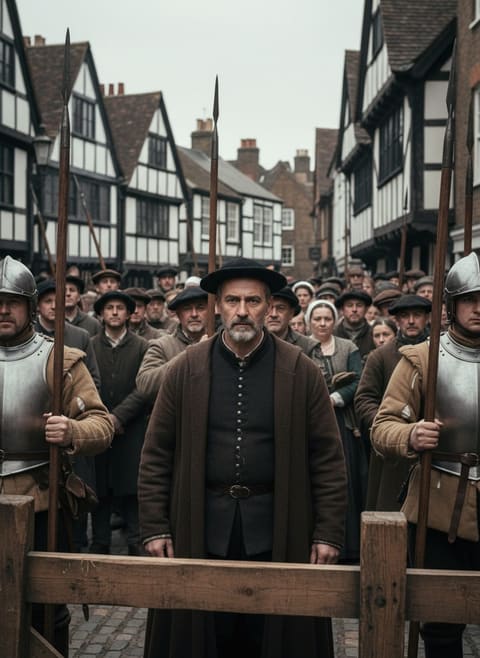
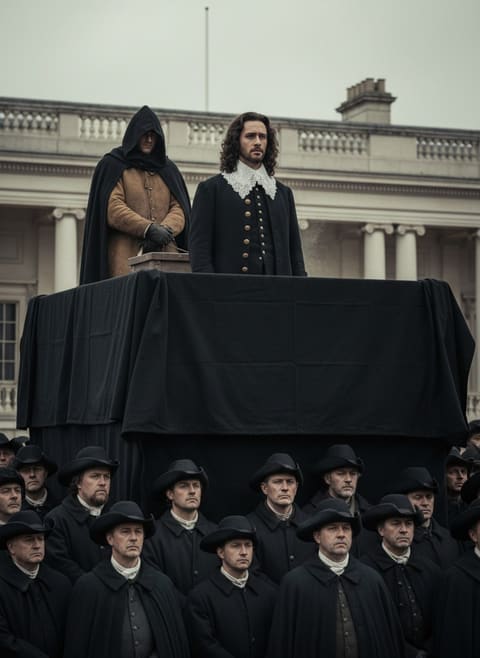
As the procession moved from Westminster Abbey, through teeming streets lined with Londoners both curious and vindictive, it was a procession fueled by revenge cloaked in the guise of justice. Cromwell’s body was posthumously condemned alongside those of other regicides who had condemned King Charles I to death. Though Cromwell had died peacefully nearly two years prior, his influence and actions cast long shadows that the newly restored Charles II sought to erase through a gruesome pageantry of power.
The clanking of chains and the sounds of wooden wheels rolling upon cobblestone punctuated the grim scene as they reached Tyburn. This was a name synonymous with execution—a place where the air was often heavy with the cries of the condemned and the jeers of the masses. Here, again, was a gathering of people; only this time, the focal point was not a living criminal, but the reanimated bogeyman of the restoration monarchy's narrative.
Read next: The Day a Tudor Chancellor Chose Death Over a Royal Lie
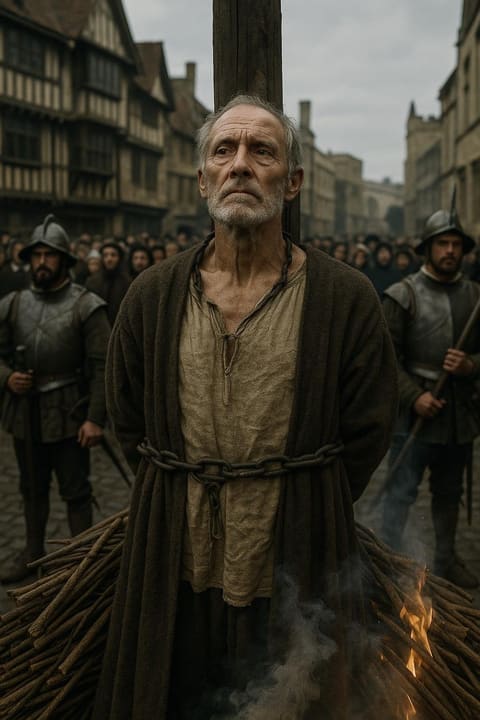
As Cromwell’s corpse was hoisted and hanged in chains, the crowd bore witness to an act that was pure theatre, illustrating the victors' power over even the most indomitable past figures. It was a statement: No act against the monarchy would be forgotten, no matter how great the temporal distance. The hanged body on display was a specter—a warning from Charles II to all his foes, real and potential.
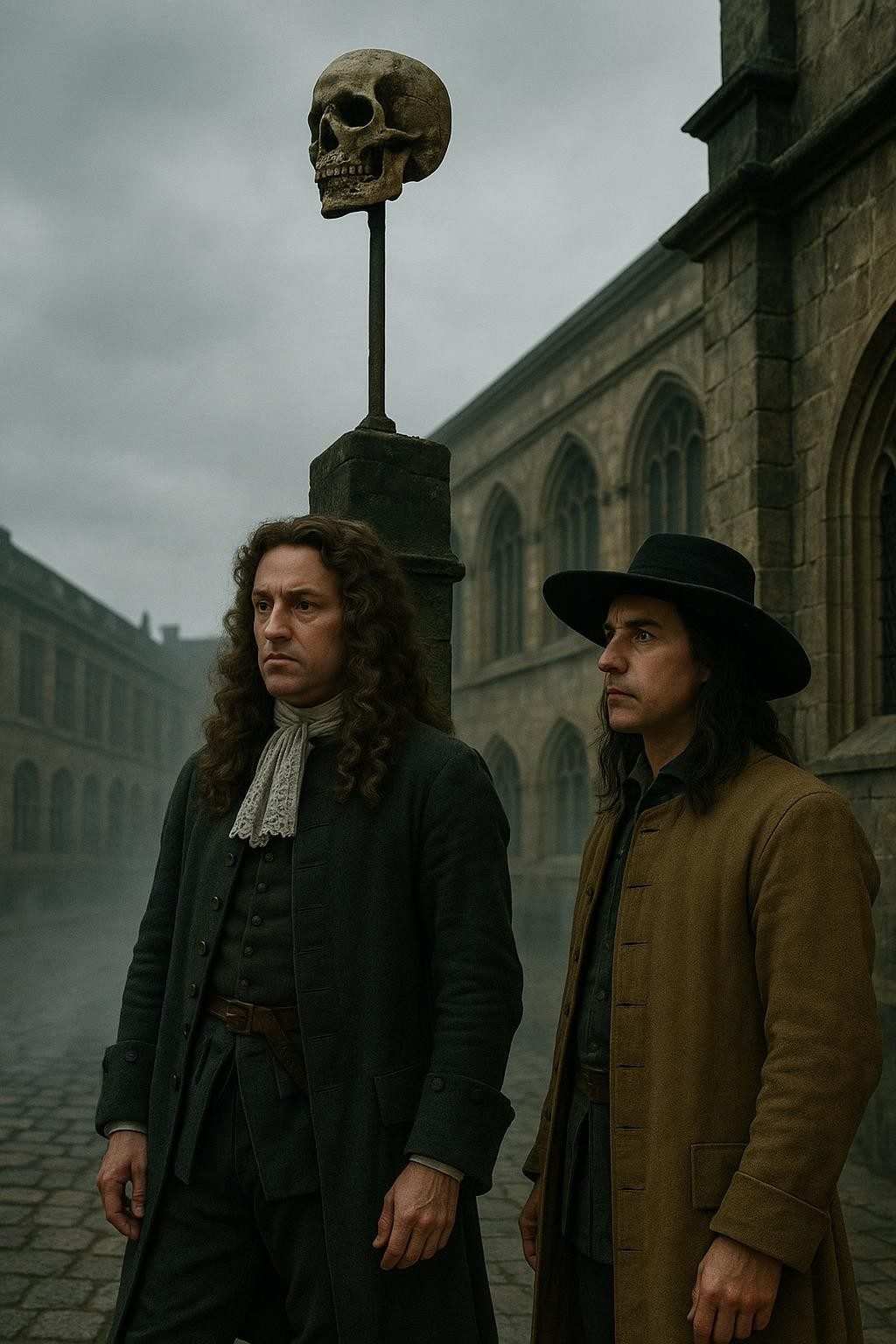
The grim spectacle did not end with the hanging. In a final act intended to strip Cromwell of all dignity, the body was decapitated, his head elevated on a spike intended to stand sentinel atop Westminster Hall. There, it was exposed to the elements and the eyes of the passersby. For over twenty years, it presided over what had been, and could again be, an unruly and unpredictable London.
Throughout these years, the head became a grim relic—a memento mori of those turbulent times when England had been thrust into a republic, a period bookended by two kings named Charles. This gruesome icon served as a frequent reminder of the fragility of power and the costs of defiance. But as macabre as Cromwell's posthumous punishment was, it only underscored the complexity that had surrounded, and indeed defined, his life.
Oliver Cromwell remains one of English history's most divisive figures. A deeply religious man who believed in puritanical reform, his ascent from obscurity to leading a nation amid civil war was as extraordinary as it was fraught. For many, he embodied the Puritan ethos—devout, inflexible, and singularly focused on God’s purpose for the nation. For others, his namesake reign brought profound discord, the target of vitriol that transcended his death.
Read next: The Day a Tudor Bishop Refused to Crown a Usurper
The action against Cromwell's corpse was a message woven into the fabric of Stuart Restoration, encapsulating the very real fear and resentment harbored by the monarchy. A kingdom that had gone without a monarch for over a decade now demanded retribution, however symbolic. The restoration sought not merely a continuity of line but a reaffirmation of divine right—an opportunity to cement the destiny of royal prerogatives unchallenged by parliament or people. Justice, vengeance, or a combination of both, the hanging at Tyburn echoed through the ages.
In life, Cromwell had vast power and influence. In death, he remained a pawn—a vehicle through which the very monarchy he dismantled declared its resilience. One cannot help but ponder whether such acts demonstrate fear or power, illustrating the complexities of a society grappling with its fraught and tumultuous legacy.
Today, as we sift through these layers of history, the question remains: What are we to make of Oliver Cromwell’s posthumous trial and punishment? To some, it is an unsettling reminder of the dark side of power and the lengths to which those in power will go to retell history on their own terms. To others, it may simply serve as a footnote in a nation’s story—a grim but fascinating tidbit largely forgotten by textbooks. Ultimately, it reminds us that history is not just the domain of the past; it is a living, breathing dialogue, ever in flux and forever disputed.