July 24, 1913. The morning light danced off the gleaming surface of the diamonds.
The Genesis of Elegance
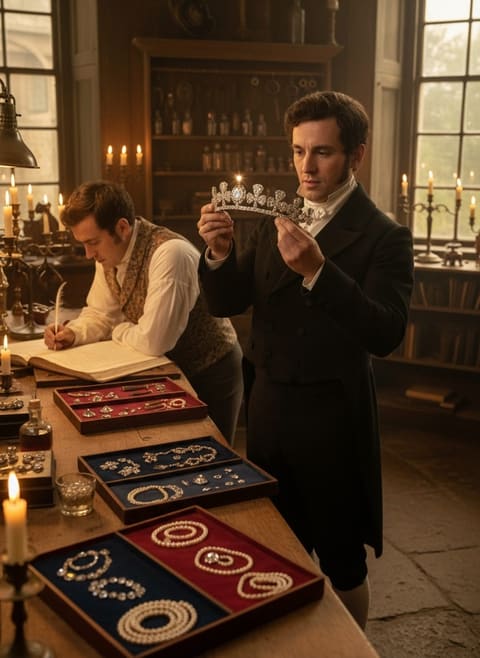
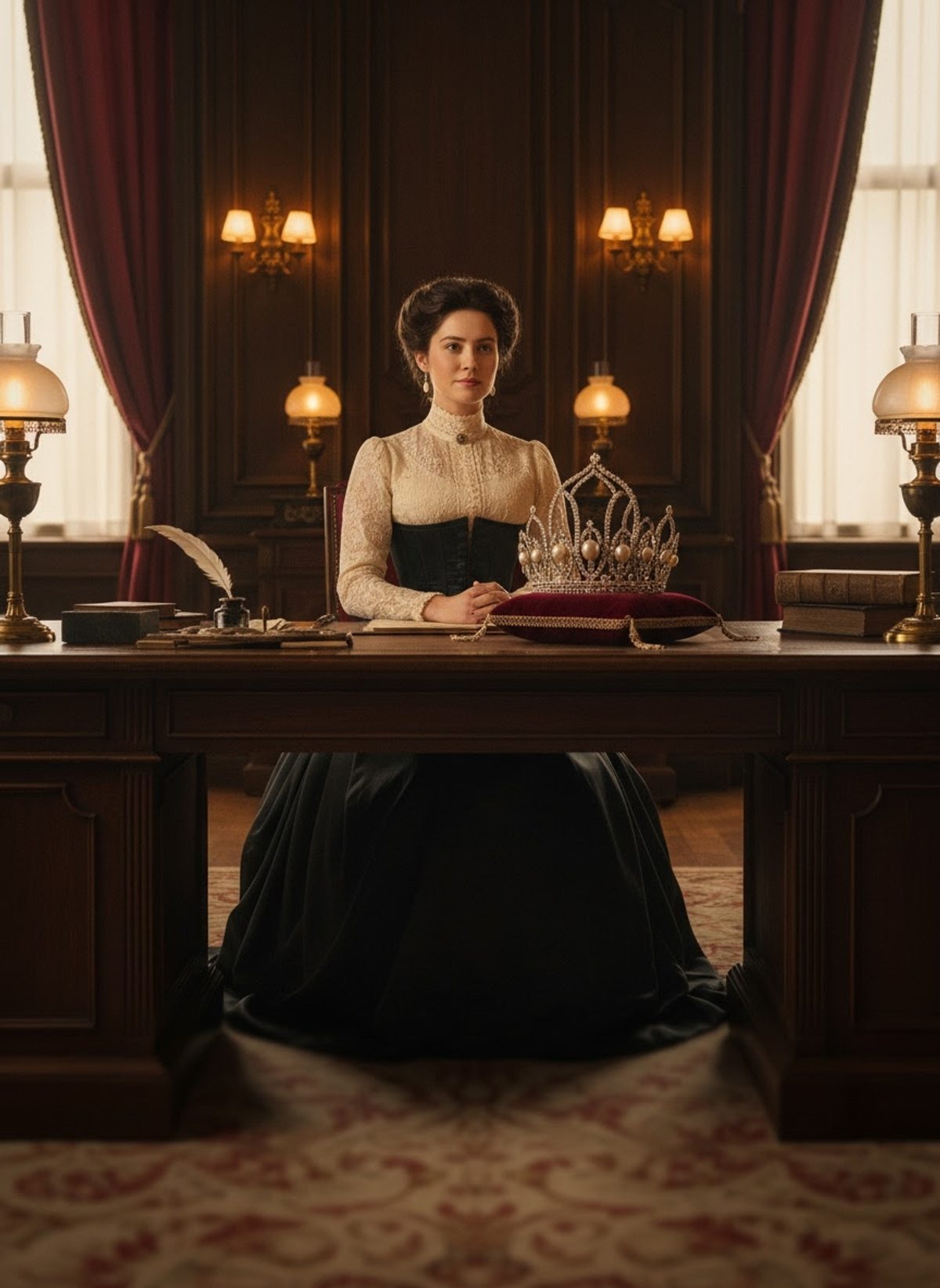
On this date, the finishing touches were made on a masterpiece commissioned by Queen Mary herself: a tiara to replicate one she had cherished but never possessed. This new tiara was an intricate ballet between diamonds and pearls, crafted not only as a tribute to regal pride but as a testament to royal resilience.
Queen Mary had impeccable taste—a talent for transforming longing into legacy. Every stone set in place on her tiara carried with it stories of its origin, from far-flung corners of the British Empire to the heart of English aristocracy.
The design was both bold and adaptive, embodying the unyielding spirit of a monarch who would navigate the tumultuous early 20th century. It featured festoons of pearls and shimmering diamonds arranged with a neo-classical finesse that captivated the era's demand for tradition and modernity in equal measure. As with all bespoke creations, the tiara not only matched Queen Mary's regal stature; it symbolized her knack for shaping the past into the future, one diamond at a time.
Read next: The Woman Who Held Wallis Simpson Captive in Plain Sight
A Glittering Mosaic of History
Yet even as it was completed, the tiara was more than the sum of its parts—it was a narrative captured in jewels. Queen Mary was renowned for her ability to assemble jewels with histories as intricate as those weaving the British monarchy itself. This tiara was an unspoken promise to preserve a piece of the past that she loved but could never own entirely.
Its initial design had whispered of French elegance, a memory carried over from a tiara she had adored, now inaccessible in the aftermath of political upheaval.
The new iteration was no mere replica; it was rebuilt thread by thread, a resurrection laid in diamonds, carrying the dreams and aspirations not only of a queen but of a nation at a crossroads. Its transformation from personal possession to a symbol of continuity among British queens was never recorded in any official ledger.
Whispered Transitions of Power
As the years pressed on, the tiara became an integral piece in the tapestry of the British monarchy’s unspoken rules. Its first significant transition came as it passed to Queen Elizabeth, who wore it not merely as a bride but as the embodiment of post-war hope. Through her reign, the tiara’s luster mingled effortlessly with occasions of grandeur and moments of quiet resolve, representing an era defined by stability and a deepened crown.
In the latter 20th century, Diana, Princess of Wales, would make it shimmer anew, capturing the world’s adoration with each public appearance. Yet, just as Diana breathed new life into its diamonds, her departure caused the tiara to vanish from public view, drawing it back into the shadows of royal propriety.
Read next: The Queen Who Ruled England While Her Husband Was Captive
The Unseen Returns
After years of absence, the tiara emerged into the public eye once again, adorning new royal portraits and public engagements as if it had never been away. This seamless transition spoke of an ever-evolving monarchy adept at maintaining continuity even amidst drastic change. The tiara not only survived myriad royal wearers but grew in significance, becoming a testimony to the dynasty’s ability to reinvent itself while preserving an unbroken link to its storied past.
The original purpose of the tiara, conceived as a personal token by Queen Mary, gradually blurred. It defied ownership, existing within a space that only the institution itself occupied. An item equally unclaimed and universally claimed, it symbolized the collective heart of the British monarchy, endlessly reshaped yet perpetually part of its essence.
An Heirloom Beyond Time
As the tiara continues to crown the heads of the queens and princesses that follow, it leaves its mark as an emblem of adaptation and heritage. Each wearer infuses it with fresh narratives, stories of triumph, and echoes of quieter battles fought within the palace walls.
The tiara’s journey reflects more than a century of social evolution and its disposition mirrors a monarchy in pursuit of defining each act of its history. In its diamonds, there are tales not scripted in textbooks or etched in archives, stories that find their place within the enduring yet transient visage of a royal tradition tenaciously held together by the quiet power of what it stands to represent—a crown that truly belongs to no one and everyone.