Wallis Simpson's public story was one of glamour and scandal. Her private end was far more unsettling.
The Aftermath of Abdication
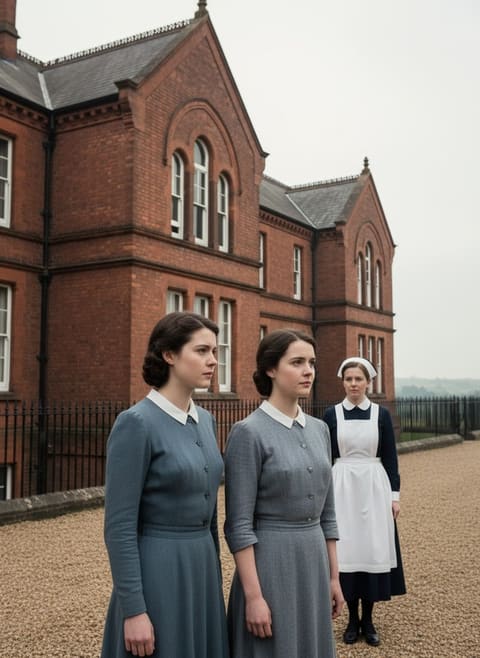
When Edward VIII abdicated the British throne for Wallis Simpson in 1936, the world watched with rapt attention. The Duke and Duchess of Windsor, as they became, captivated audiences with their defiant love story, but their lives were not spared from the weight of controversy.
As they settled into their roles in exile, the couple became emblematic of a bygone era, where royalty and sacrifice intertwined. Yet following Edward's death in 1972, Wallis found herself increasingly isolated and vulnerable, a figure from history ensnared in personal tragedy.
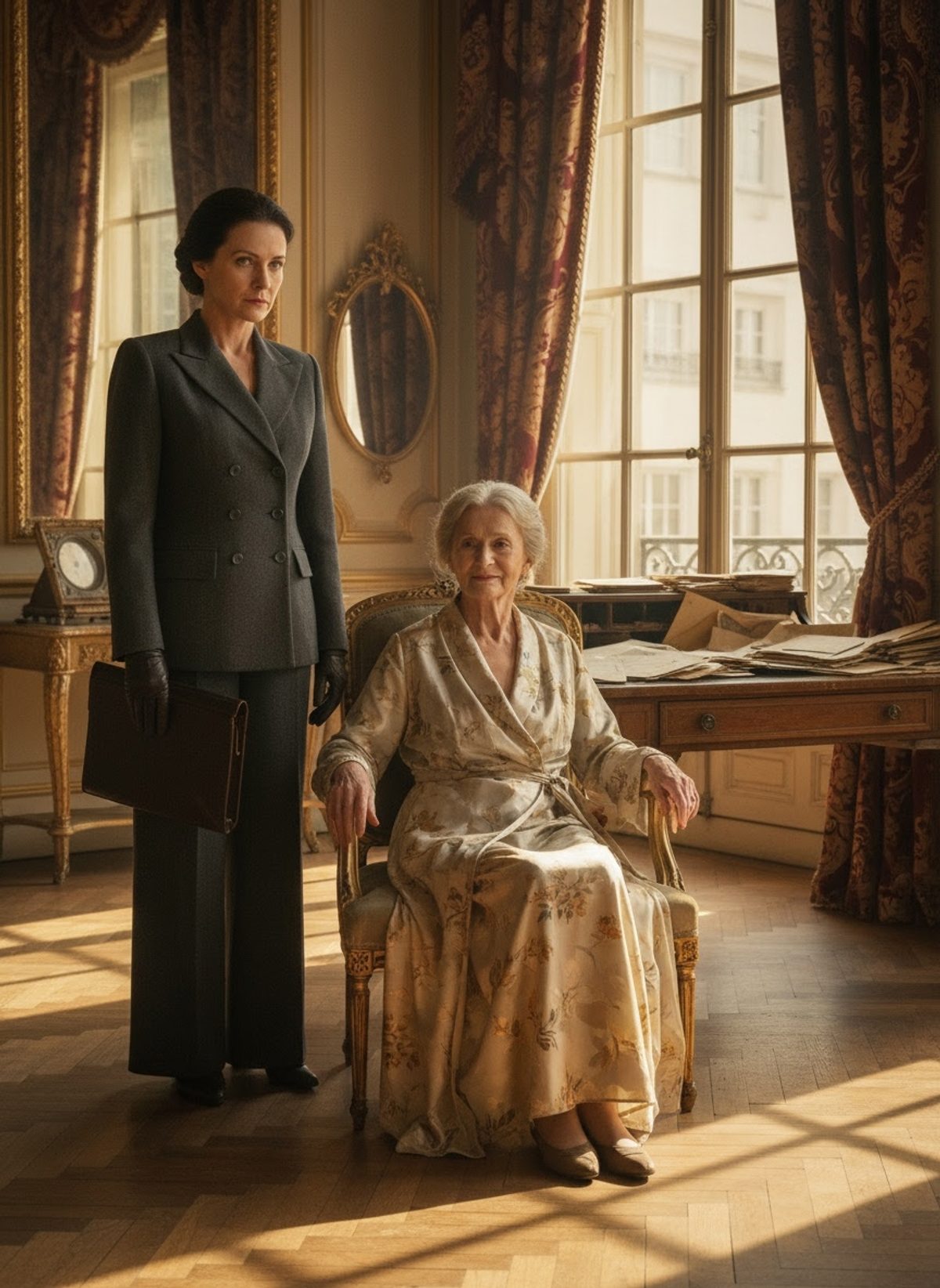
Those who knew Wallis after the Duke's passing describe a woman lost in time, living in the shadow of past grandeur while grappling with present frailty. Lorne, their Paris home at 4 Rue du Champ d'Entraînement, stood as a physical monument to their shared history and an increasingly impenetrable fortress. As her health waned, Wallis relied more on those around her, and none became more pivotal than her French lawyer, Suzanne Blum.
Read next: The Princess Who Shocked Europe by Marrying a Prince Like That
The Enigmatic Gatekeeper
Suzanne Blum wasn't just a lawyer; she was a force of nature. Described by some as fiercely protective and by others as controlling, Blum gradually assumed an overarching role in Wallis's life, ostensibly to safeguard her interests.
Posthumously, however, accounts emerged casting her less as a protector and more as a proverbial captor. Blum's gatekeeping ensured that visitors, financial transactions, and even Wallis's correspondence passed through her vigilant watch. The woman once at the center of royal intrigue now found her life stage-managed to a meticulous degree.
Reports from the few who managed to visit Wallis during these years suggest a surreal atmosphere within the house. Former friends and acquaintances, including those who had shared memories of grandeur and gaiety, were left bewildered as access to Wallis's world grew ever more exclusive.
With Blum controlling the ebb and flow of Wallis's visitors, old allies often faced frustrating rebuffs without explanation. The woman who once captured a king's devotion was now isolated from the very circle that had defined her life.
In the Shadows of Loneliness
Wallis's seclusion during these years was not entirely without brief glimpses of connection. Some contemporaries managed to penetrate the barriers, their visits marked by bittersweet reunions. These occasional interactions offered Wallis a sliver of joy and a link to the past, yet they were few and far between.
Blum cited Wallis's deteriorating health as justification for these restrictions, shielding her client from imagined harm. However, this same rationale slowly eroded Wallis's once-vibrant connections, leaving her increasingly cocooned in a gilded loneliness.
Lorne itself became a physical manifestation of Wallis's narrowing world. Once a hub of social activity, it transformed into a quiet, controlled environment, where orders were seldom questioned and privacy was paramount. Inside its walls, the vivacious woman who inspired a monarch to forsake an empire was reduced to a whisper of her former self. The drama of her early life gave way to a quieter, more haunting narrative of decline and control.
Read next: The Letter Philip Wrote Before He Could Walk Behind Her
The Final Goodbye
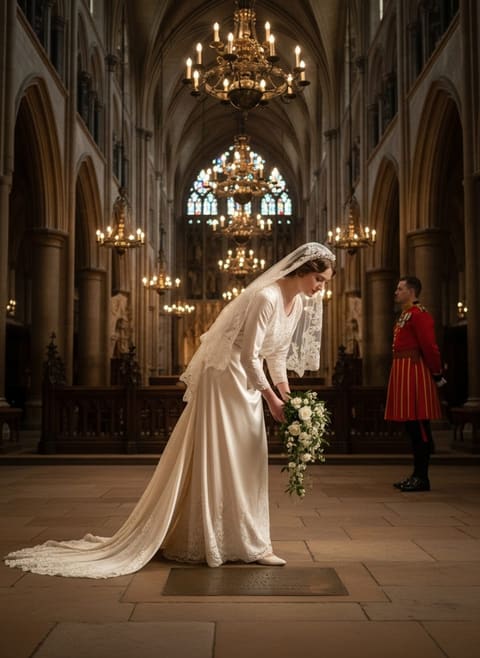
When Wallis Simpson passed away in 1986, she left behind a legacy as complex and controversial as her life had been in the public eye. Her burial beside Edward at Frogmore marked the end of an era, one remembered more for its storied beginning than its somber conclusion.
In those final years, the world Wallis once ruled with charm and resolve had become small, her fate entwined with that of her overzealous guardian. The secrecy that shrouded Wallis’s later years became fodder for speculation, outrage, and lingering questions.
Despite her isolation, the world mourned the passing of the Duchess of Windsor. Public fascination endured, though stories were tinged with somber reflections on freedom and captivity. More than relics of a bygone royal age, Wallis and Edward's graves underscore the enduring power of their love story—marked indelibly by life's relentless march forward and an inescapable mortal coil.
What Remains Behind the Veil
Why should we care about the unsettling stewardship of Wallis Simpson’s twilight years? Her narrative serves as a stark reminder of the dual faces of love and confinement. Beneath the superficial glamour lies a poignant tale of agency, legacy, and the vulnerabilities of those in society’s spotlight. Wallis's story is not merely a chapter withheld from textbooks; it is a human drama showcasing the complexities of becoming both symbol and specter.
As we reflect on her life, the lessons of her later years resonate powerfully in the context of our own promises and choices. In remembering Wallis, we are prompted to ask: who is allowed to write the final chapters of our lives, and whose voices remain unheard until it’s too late?